Slate’s $30 'Screenless GPS' Redefines Simple Navigation

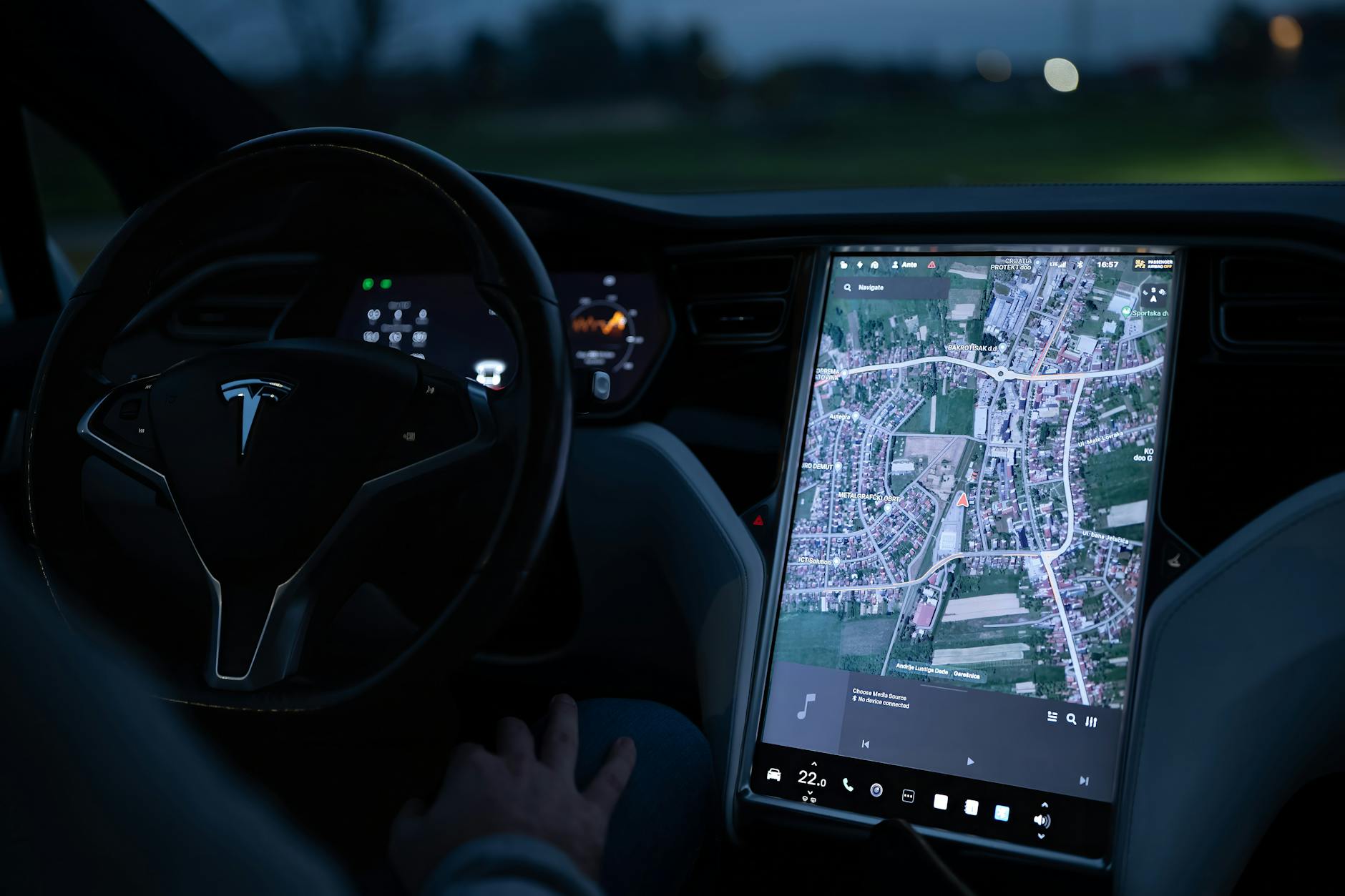
A new electric vehicle startup, Slate, is challenging the norm of tech-packed cars by offering a strikingly minimalist EV pickup. Known for its bare-bones approach and affordable price tag, Slate recently introduced a unique 'Screenless GPS' accessory. This isn't a digital gadget, but a classic physical road atlas, symbolizing the company's commitment to simplicity. This move highlights how accessible, no-frills electric vehicles can offer a practical path towards cleaner transportation without overwhelming drivers with complex systems.
Slate, a company focused on making electric vehicles more attainable, is turning heads with its latest offering: a $30 'Screenless GPS.' For those expecting cutting-edge tech, the surprise is that this navigation system is simply a Rand McNally 2027 Road Atlas. It's a playful yet pointed statement about Slate's core philosophy.
The startup believes many drivers are tired of overly complicated cars filled with screens and features they don't use. By stripping down the truck to essentials like unpainted composite panels and manual windows, Slate aims to deliver an electric pickup that is both functional and budget-friendly. This includes foregoing a built-in navigation screen, encouraging owners to use the mapping apps they already know on their smartphones, which the truck will support with a phone mount. Such choices help keep the vehicle's cost under $25,000, making sustainable driving more widely available.
Slate's approach demonstrates that electrification doesn't have to mean sacrificing simplicity or affordability. By prioritizing straightforward design and essential features, the company makes the benefits of electric transport — like reduced emissions and lower running costs — more accessible. This minimalist design also extends to its robust LFP battery, ensuring reliable performance without unnecessary frills. It's a bold gamble in an industry increasingly focused on digital complexity, showcasing a different vision for the future of sustainable mobility where less can truly be more.