SoCal Braces for Hottest Week: What's Driving This Extreme Heat?

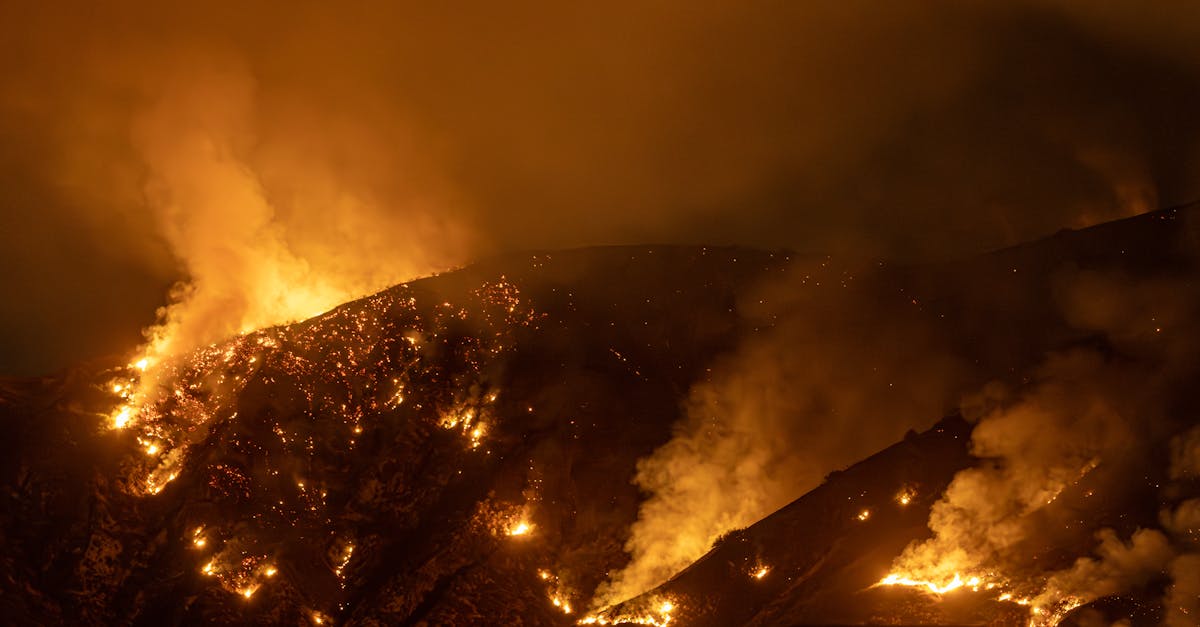
Southern California is facing its hottest week of the year, with temperatures set to soar well into the triple digits across many areas. Forecasters are warning of a high risk of heat-related illness from Tuesday through Friday, urging residents to take extreme precautions. This intense heat is part of an unusually warm year, highlighting the growing impact of climate change and the urgent need for sustainable solutions to protect our communities and environment.
As temperatures climbed to 96 degrees in downtown Los Angeles on Sunday, the National Weather Service issued a stark warning: an even hotter week is on its way. From Tuesday through Friday, many areas, especially the valleys, could see temperatures between 100 and 110 degrees Fahrenheit. Even coastal regions are expected to reach 80 to 90 degrees, making this likely the warmest week of the year for much of Southern California.
The risks associated with such extreme heat are serious. The National Weather Service recommends staying hydrated, seeking air-conditioned spaces, and checking on vulnerable neighbors. In Death Valley, where temperatures hit 121 degrees, a 68-year-old traveler tragically passed away earlier this month. Beyond health concerns, this intense heat also brings an increased threat of wildfires, even without the presence of Santa Ana winds.
While high pressure aloft and shifting northerly winds are the immediate cause of this heat spike, these extreme weather events are increasingly frequent and intense, aligning with broader global warming trends. The urgency to address climate change and transition to cleaner, electrified solutions becomes clearer with each record-breaking heatwave. Embracing sustainable practices and renewable energy can help reduce our environmental footprint and build a more resilient future against these growing challenges.