SoCal Fires Ease, But a New Weather Threat Looms

Southern California is getting a much-needed break from recent wildfires, as strong Santa Ana winds finally die down. However, this respite is short-lived, with an incoming storm system poised to bring widespread rain. While rain is welcome, it introduces new dangers like mudslides and debris flows, especially in areas scorched by recent blazes. This swift shift highlights the region's ongoing vulnerability to extreme and unpredictable weather patterns, making preparedness crucial for communities. It’s a stark reminder of the urgent need for climate resilience in a changing world.
After a week of powerful Santa Ana winds fueling wildfires across Southern California, fire crews are finally gaining ground. Blazes like the 570-acre Norte fire in San Clemente, which damaged homes and forced thousands to evacuate, and the 146-acre Bryson fire in Malibu, are now largely contained. Residents are returning home as evacuation orders are lifted, a welcome relief for many.
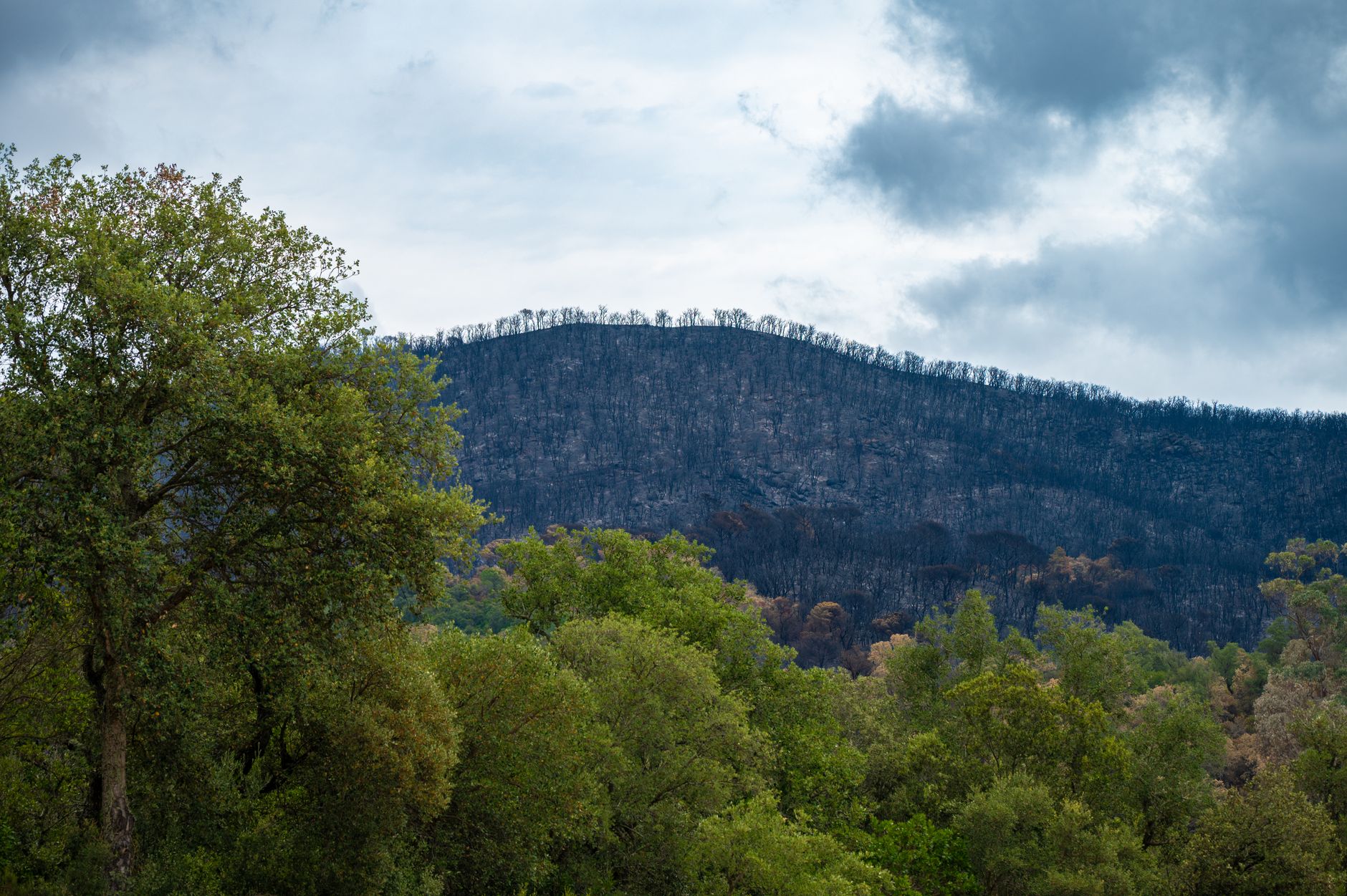
But the calm is fleeting, as a significant cooldown and widespread rain are expected by mid-week. While beneficial for fire suppression, this new weather pattern brings its own set of risks. Meteorologists, like Joe Sirard from the National Weather Service, warn that intense rainfall could trigger dangerous mud and debris flows, particularly in areas left vulnerable by recent wildfires and their burn scars. The National Weather Service is keeping a close eye on the storm system, with forecasts predicting up to three inches of rain in mountainous regions.
This rapid shift from fire threat to flood potential underscores the challenging weather patterns facing California. While the National Oceanic and Atmospheric Administration’s seasonal outlook suggests a warmer-than-normal fall, the larger El Niño climate pattern is expected to bring a wet winter. This creates a challenging "two-phase" emergency for fire crews and emergency responders, who must prepare for both ongoing wildfire risks and the subsequent threat of landslides and flooding.
In response, teams like the Orange County Fire Authority are actively engaged in "suppression repair" around burned areas. This critical work involves restoring natural habitats by spreading shrubs and clippings, which not only helps the land recover visually but also creates vital barriers against runoff and debris flow. These efforts are a crucial part of building sustainable environmental protection and ensuring communities are better prepared for the unpredictable challenges of a changing climate.