SoCal Labor Day: What's lurking in the Pacific?

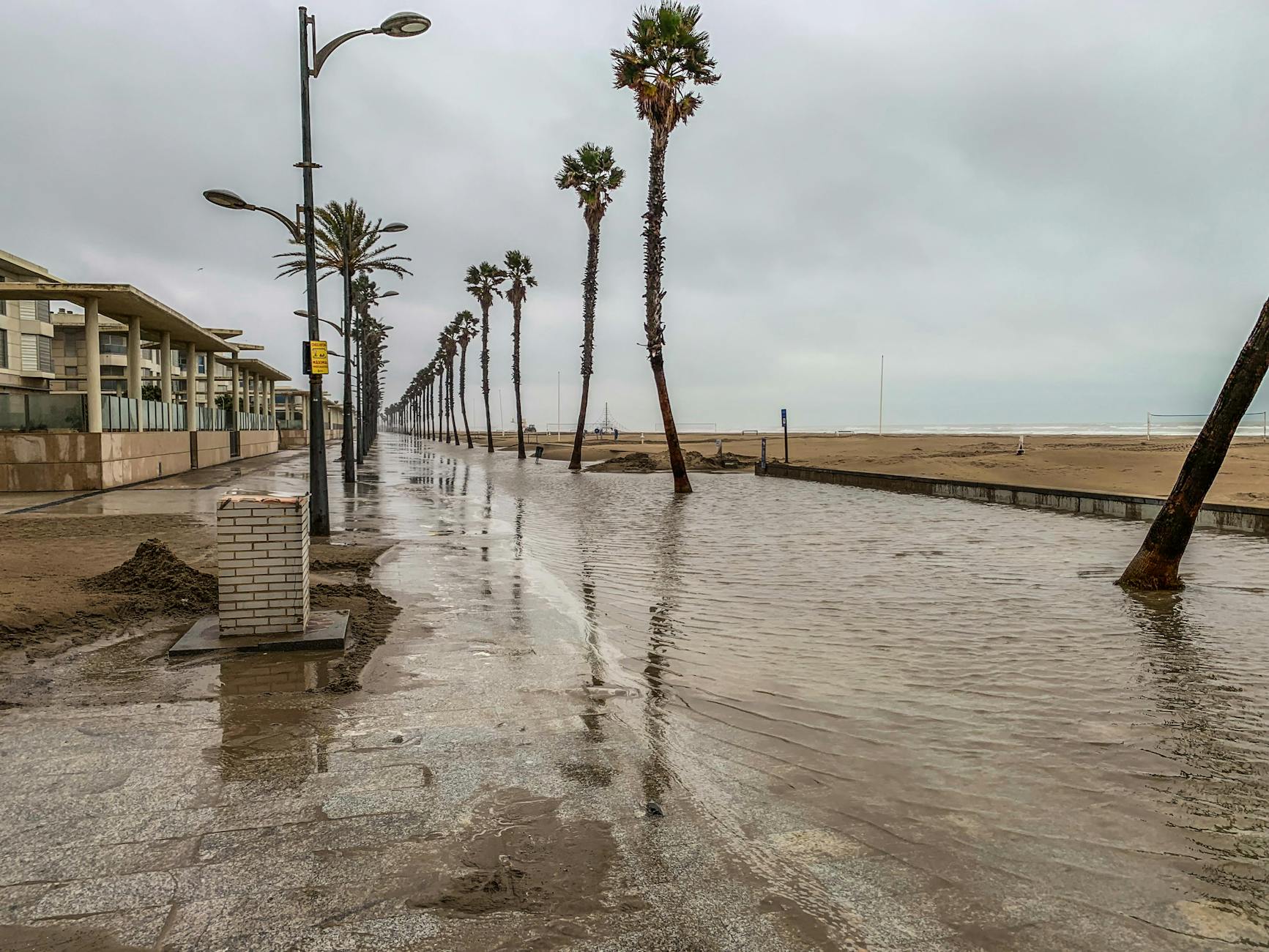
Southern California is bracing for a potential impact from a developing storm system in the eastern Pacific, with experts closely monitoring its path. This system, currently 95-E, could strengthen into Tropical Storm Marie as early as Tuesday. While the exact trajectory remains uncertain, there's a growing possibility of significant rainfall and coastal flooding over the upcoming Labor Day weekend. This situation underscores a broader trend: as our climate changes, regions like Southern California may face tropical cyclone threats more frequently, highlighting the urgent need for climate action.
Southern California is on alert for a developing weather system, currently dubbed 95-E, which could intensify into Tropical Storm Marie. While it's most likely to move west, there's a significant chance it could veer north, bringing heavy rains and dangerous coastal conditions to the region over the Labor Day weekend. This potential event highlights how our changing global climate can bring unexpected weather challenges to areas not typically known for tropical storms.
Even if it doesn't hit as a full hurricane, experts like UC climate scientist Daniel Swain warn of a "decaying tropical storm" scenario. This would still mean breezy conditions, a lot of moisture, and heavy showers, especially in the mountains, increasing the risk of flash floods, landslides, and debris flows. Coastal areas are particularly vulnerable, with forecasters predicting moderate-to-large surf and potential flooding from Saturday through Sunday, coinciding with some of the month's highest tides.
Southern California has faced similar challenges before. The remnants of Hurricane Hilary in 2023 caused substantial damage and tragically claimed lives, even without a direct hurricane landfall. Historically, the "El Cordonazo" storm in 1939 brought heavy rain and strong winds, causing widespread flooding and fatalities. Later, Tropical Storm Nora in 1997 brought street flooding and powerful waves, particularly along south-facing shores. These historical events, often intensified by climate patterns like El Niño, remind us of the critical importance of preparing for such extreme weather.
Scientists are increasingly connecting such extreme weather events to human-caused climate change. Researchers, like those whose findings on an 1858 hurricane were published in the Bulletin of the American Meteorological Society, continually study these patterns. A recent report in Nature Climate Change warns that the risk of powerful tropical cyclone rainfall and associated landslides in Southern California will likely increase significantly by 2050. This underlines the urgent need for sustained environmental action and sustainable solutions to protect communities from the escalating impacts of a warming planet.