SoCal's August Surprise: Why This Extreme Weather Matters

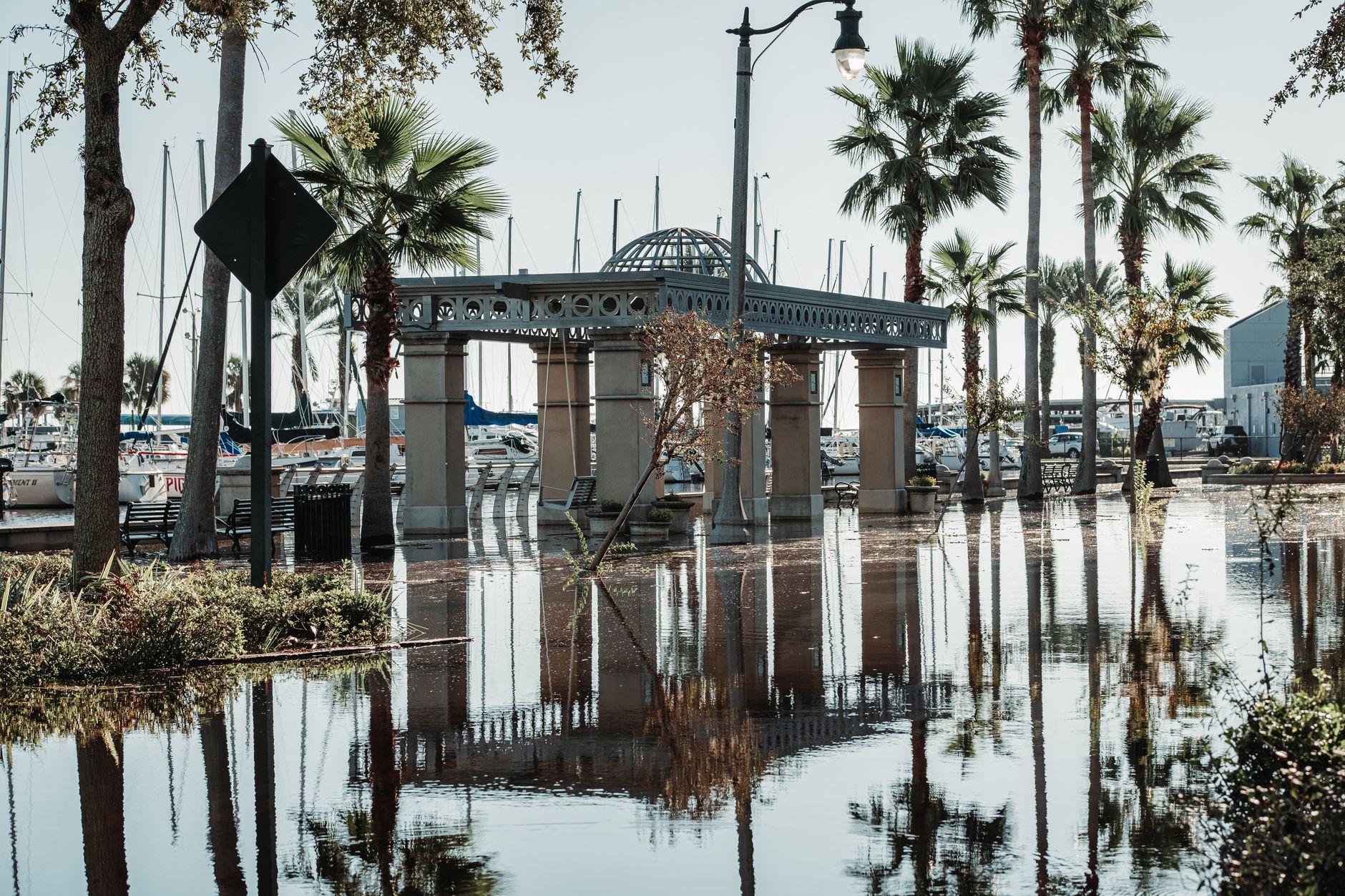
Southern California is facing a significant weather challenge this August, with a scorching heatwave bringing temperatures well into the 90s and 100s across the region. This intense heat increases the risk of heat illnesses and elevated fire conditions. Compounding the situation, high tides, amplified by unusually warm ocean temperatures and ongoing sea level rise, threaten coastal areas with minor flooding. This combination of extreme weather underscores the urgent need for climate action and sustainable solutions.
A major heatwave is baking Southern California, pushing temperatures into the low 100s in many inland areas and even higher in the deserts, with some spots hitting a staggering 124 degrees. This isn't just uncomfortable; it's dangerous. Health officials are urging everyone to be careful, especially those without air conditioning, to avoid heat-related illnesses. Tips include taking cool showers, avoiding hot appliances, and finding relief at air-conditioned public spaces like libraries or malls.
Adding to the concern, these sweltering conditions have created elevated fire weather, increasing the risk of wildfires across the region. There’s also a chance of monsoonal thunderstorms over the mountains, which, while offering a brief reprieve from the heat, can also spark new fires.
But the challenges don't stop there. Coastal areas, from San Francisco Bay down to Los Angeles and Ventura counties, are on alert for minor flooding. This isn't just any high tide; it's worsened by unusually warm ocean temperatures and the long-term impact of sea level rise, a clear sign of our changing climate. While major damage isn't expected, this coastal inundation highlights how global warming is affecting our daily lives, making environmental protection and collective action for a sustainable future more critical than ever. Embracing cleaner technologies and reducing emissions are vital steps to mitigate such increasing risks.