SoCal's infamous fire winds are changing, but the danger is not.

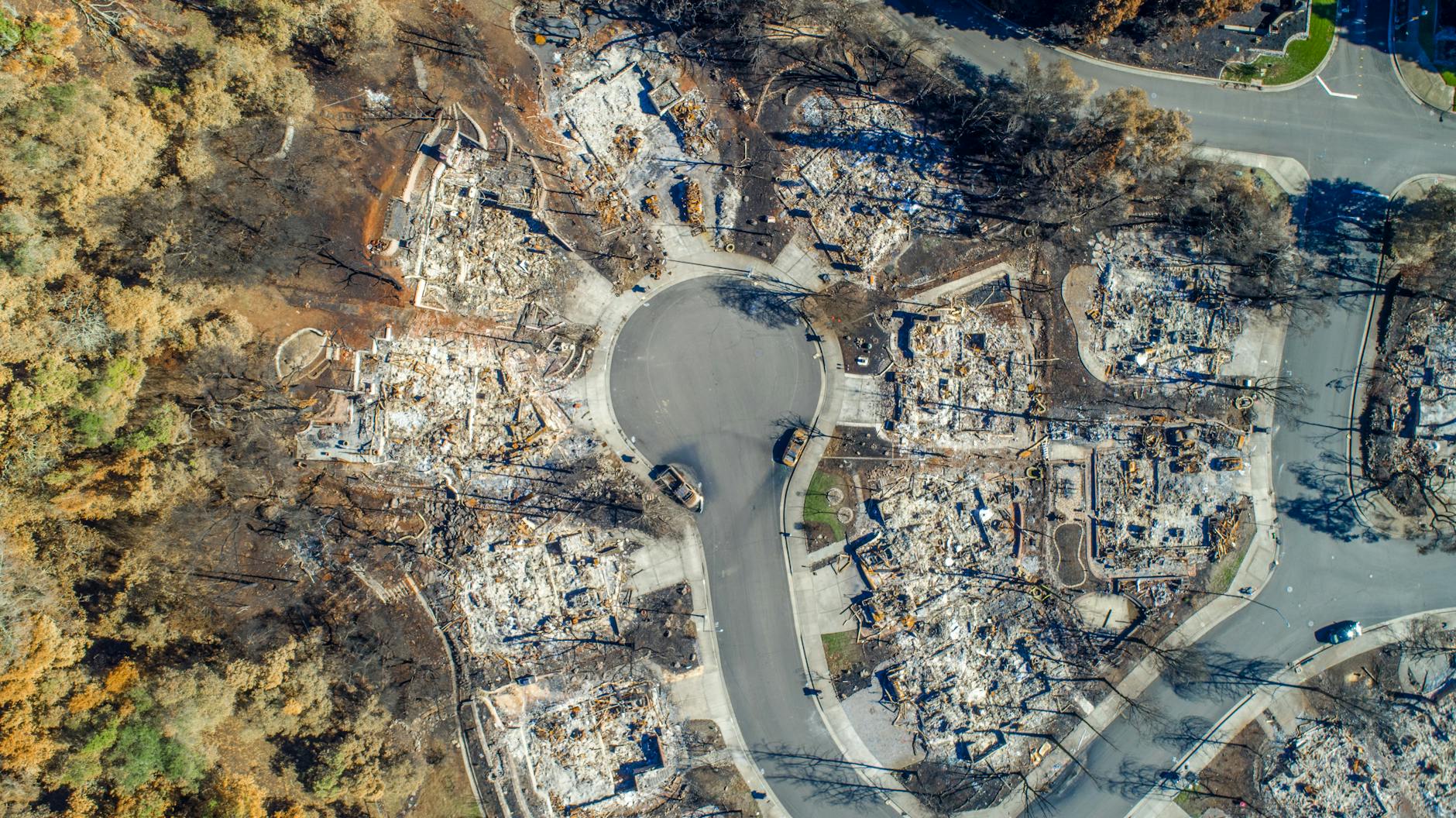
New research led by UCLA scientists reveals a surprising impact of climate change on Southern California's notorious Santa Ana winds. While global warming is already diminishing the number of weaker wind events, this doesn't reduce the devastating threat of wildfires. Instead, the combination of unchanged extreme winds and increasingly dry landscapes means the "window of opportunity" for dangerous blazes is actually expanding. This urgent shift demands greater focus on community preparedness and sustainable fire prevention strategies against an evolving wildfire risk.
Southern California communities are all too familiar with the destructive power of Santa Ana winds, which can turn small fires into unstoppable infernos. Scientists have long predicted that human-caused climate change would eventually reduce these wind events. Now, a team led by UCLA has found it’s already happening, with milder Santa Ana days becoming less frequent because warming deserts are reducing the temperature differences that drive these winds, according to their paper in Earth’s Future.
However, this change isn't a silver lining. The crucial problem is that climate change is only reducing the number of weaker wind events, leaving the most extreme and dangerous winds largely unaffected. Coupled with increasingly dry conditions, which climate change makes more common and erratic, this creates a perilous combination. Experts warn that this means the period when wildfires can ignite and spread quickly is actually getting longer.
Santa Ana winds are formed when cold, high-pressure air from the deserts rushes towards the warmer, lower-pressure coast. As this air descends through canyons, it compresses, heats up, and becomes incredibly dry, ready to suck moisture from everything in its path, creating perfect conditions for rapid fire spread.
Understanding how global climate shifts affect these unique local weather patterns is a complex challenge for scientists. Two major research efforts, including the UCLA-led study and a separate paper from NOAA, have used advanced modeling to get a clearer picture. While their detailed findings vary slightly, both agree that climate change's influence on Santa Anas is primarily affecting weaker winds, with the severe ones that cause the most damage remaining a critical threat.
The real danger from these strong winds isn't just the direct push of flames, but the relentless torrent of embers they generate. These embers can travel over a mile, leapfrogging fire lines and igniting homes blocks away, overwhelming even the best-trained firefighters. This "ember attack" makes controlling fires during Santa Ana events incredibly difficult, if not impossible.
Given this reality, protecting communities increasingly relies on empowering homeowners. Experts emphasize the importance of the "home ignition zone"—the area roughly 100 feet around a house. Simple actions like removing dead plants, keeping combustible items away from the home, and using fire-resistant materials for roofs and vents can make a huge difference. While global climate change presents daunting challenges, taking these practical steps around our homes offers the most direct control we have against the escalating wildfire threat.