Solar towers: A simple solution to a huge waste problem?

Millions of tons of perfectly good fruits and vegetables are wasted globally each year, often discarded due to minor imperfections or market gluts. This unnecessary waste not only depletes resources but also contributes significantly to climate change when food breaks down in landfills, releasing potent methane gas. University of Arizona researcher Goggy Davidowitz has pioneered an innovative solution: solar drying towers. These towers efficiently preserve surplus produce, turning potential waste into valuable resources like packaged food or animal feed. This simple, sun-powered technology offers a powerful way to reduce our carbon footprint and build a more sustainable food system.
Every day, farms and ports discard massive amounts of produce that are perfectly fine to eat but might have a small blemish or simply more supply than demand. This constant cycle of food loss is not just inefficient; it's a significant contributor to our planet's warming crisis. When these fruits and vegetables rot in landfills, they release methane, a powerful greenhouse gas that traps heat far more effectively than carbon dioxide.
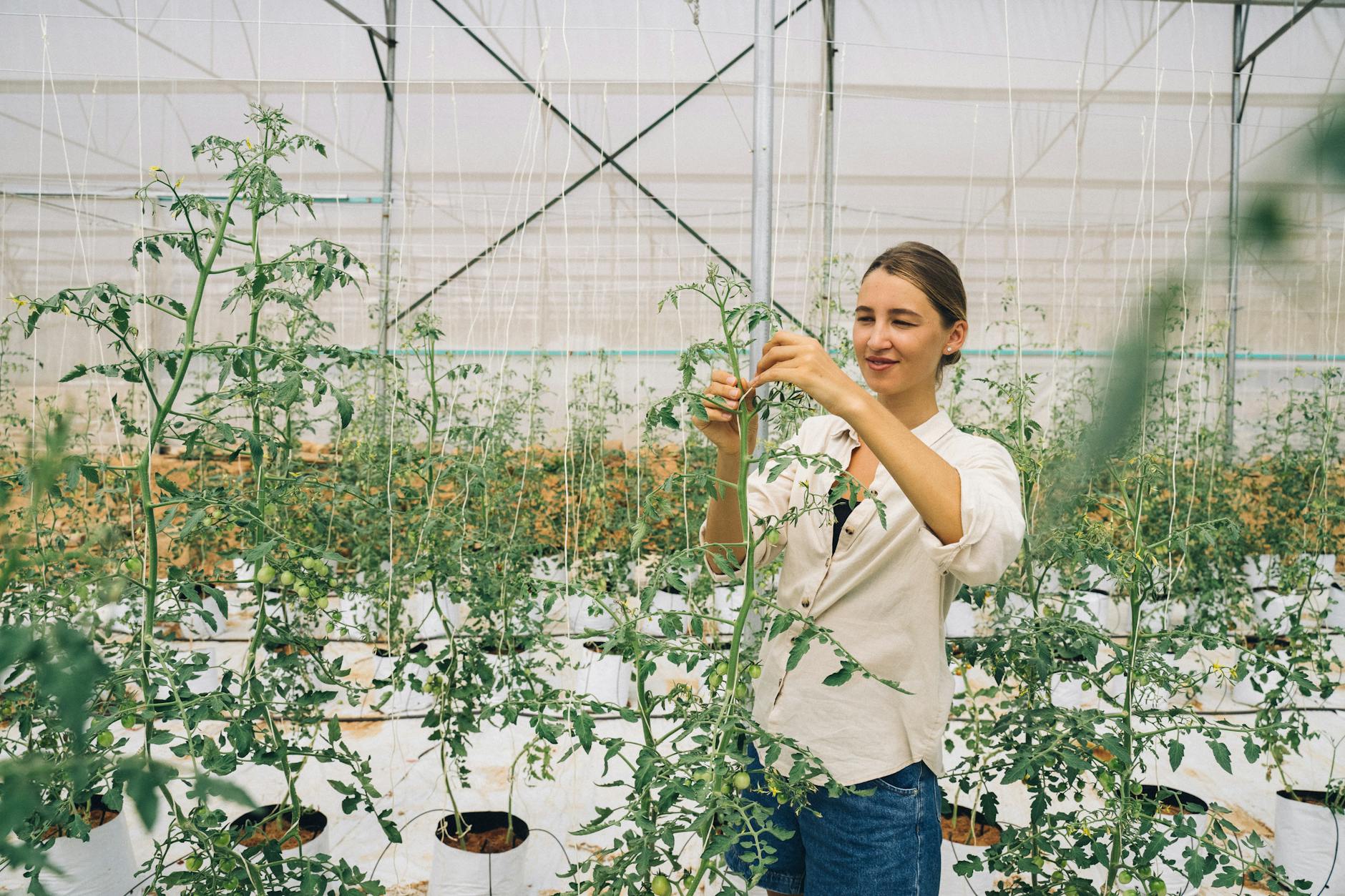
Dr. Goggy Davidowitz from the University of Arizona developed a clever approach to tackle this issue. He designed solar drying towers that resemble tall greenhouses. Inside, sunlight naturally warms the air, and fans circulate this heat, quickly drying out crops. Imagine leafy greens like spinach or basil becoming fully dried in just over an hour, while other produce takes about five hours.
This rapid drying process isn't just about saving food; it's about safeguarding our environment. By preserving produce, we prevent it from ever reaching a landfill and releasing methane. Furthermore, dried food is much lighter than fresh produce, which means transporting it requires less fuel and energy, further reducing emissions. Dr. Davidowitz has even started a company to build these towers where they are needed most, transforming what would be trash into valuable food, fertilizer, or animal feed, all powered by the sun. This innovative step shows how embracing sustainable, clean energy solutions can make a real difference in fighting global warming and building a healthier future.