South America's EV Surge: What's Fueling Its Unexpected Pace?

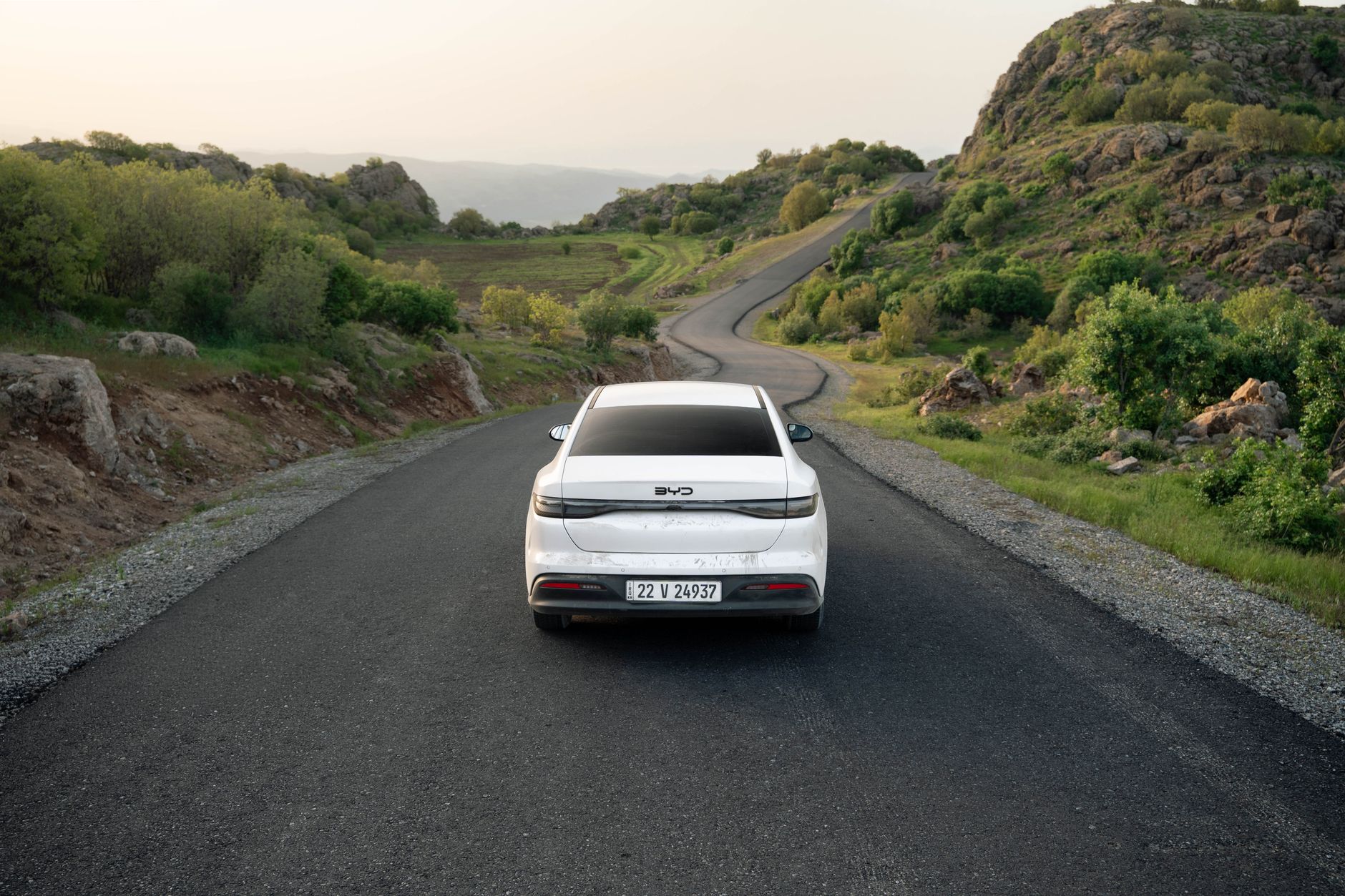
A remarkable shift is underway in South America, with electric vehicle (EV) sales accelerating at an astonishing rate. Argentina, in particular, has seen its EV market share jump significantly, driven largely by Chinese manufacturers like BYD. This rapid adoption is a "leapfrog" moment for emerging markets, bypassing the slower transition seen in some leading economies. While this surge offers hope for reducing global transportation emissions and combating climate change, experts caution that true decarbonization requires more than just vehicle electrification.
In Argentina, the demand for electric and hybrid vehicles is soaring. Dealerships for Chinese EV giant BYD are bustling, with customers trading in gasoline cars for models they barely knew existed months ago. The country's EV market share, including all-electric and plug-in hybrids, has surged from less than 1 percent in 2025 to 6 percent in the second quarter of this year.
This explosive growth exemplifies a "leapfrog" phenomenon in emerging markets, where rapid EV adoption outpaces that in many developed nations. Experts from Ember observed in December that Chinese investment, local economic interests, and fluctuating oil prices are key drivers. Argentina is even projected to surpass the United States in EV market share by late 2026 or early 2027.
This rapid transition holds significant promise for global environmental efforts. Electrification of transportation is crucial for tackling global warming by reducing harmful emissions from fossil fuels. Electric solutions offer cleaner air and often lower running costs compared to traditional gasoline cars. However, reducing overall transportation emissions isn't just about swapping fuel types. As incomes rise, more people may buy cars, including gasoline-powered ones, highlighting the need for parallel investments in public transport, walking, and biking infrastructure to achieve true decarbonization.
Despite the positive trend, challenges remain. A heavy reliance on imports from a single country, or company, could make the market vulnerable to policy changes like tariffs. Argentina's current government has lowered trade barriers, making imported EVs more affordable, but future elections could shift these policies. Additionally, building out the extensive charging infrastructure needed for a vast country like Argentina requires significant investment, which is currently limited.
BYD's success where others like Tesla didn't initially venture showcases its aggressive global strategy. By offering competitively priced, tech-forward EVs, BYD successfully entered a market where imported cars were often seen as luxury items due to high taxes. For example, its Dolphin Mini, priced around $23,000 after local costs, competes well with gasoline vehicles due to zero import tariffs for qualifying low-cost EVs. This made advanced, greener technology accessible to many Argentines, who appreciate the quiet, smooth ride and reduced pollution.
This pattern of accelerated EV adoption isn't unique to Argentina. Across emerging markets, factors like the desire for fuel security (exacerbated by global conflicts), and efforts to combat urban air pollution are propelling the shift. While China leads with 53 percent of new cars being electric or hybrid in 2026, and Norway at an astounding 97 percent, the United States lags at 10 percent, demonstrating how quickly smaller economies can advance.
BYD's global ambition is clear: it overtook Tesla as the world's top EV manufacturer in late 2025. Its strategy of focusing on untapped markets like Argentina and Brazil is part of a broader plan to dominate the global auto industry, positioning itself as a key player in the fight against climate change.
It’s tempting to view rising EV market share as a straightforward win for the environment. However, as economists point out, overall vehicle ownership is also increasing in many developing nations. This means while EVs are replacing some gasoline cars, many people are also buying their first-ever motorized vehicles, often still conventional ones. Sustainable emissions reductions require a holistic approach, moving beyond just vehicle electrification to broader urban planning and public transport solutions. Ultimately, while individual choices like buying an EV are important for climate action, collective government and societal efforts are essential for a truly decarbonized future.