South L.A. Site Hides Decades of Toxins: What's the Real Risk?

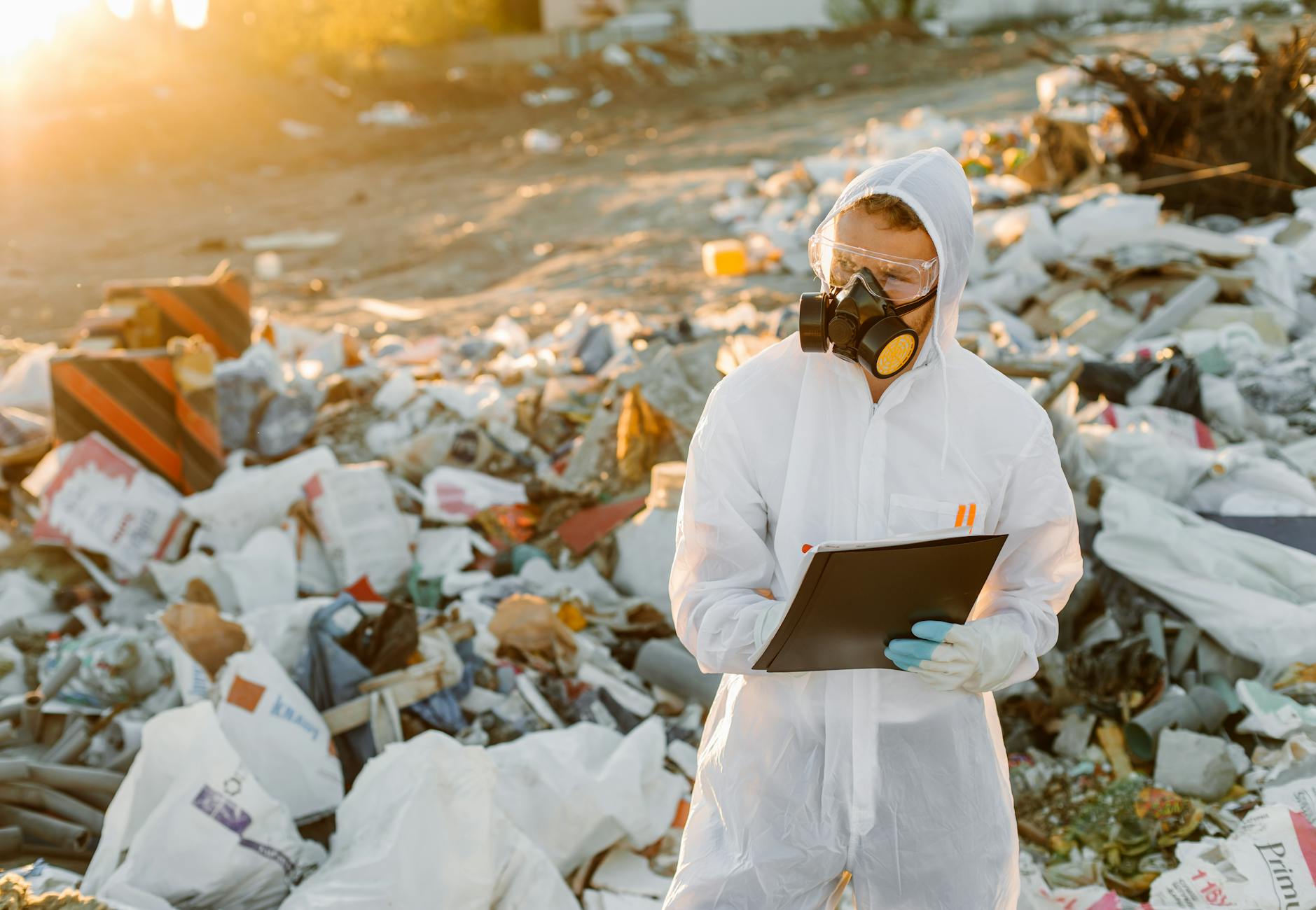
California’s toxic substances agency has finally ordered the cleanup of a heavily contaminated site in South Los Angeles, nearly four decades after its chemical operations ceased. This former industrial facility, located perilously close to homes and a beloved public park, is now deemed a major source of pollution. Residents have long reported unsettling chemical odors, fueling serious concerns about the health risks from substances like the carcinogen perchloroethylene (PCE). This crucial action underscores the environmental urgency to tackle old industrial legacies that threaten community health and natural spaces.
For years, the Central-Alameda neighborhood in South L.A. has lived with a silent, unseen threat. A former industrial site at 5701 Compton Ave., once home to Four Star Chemical and American Labs, operated until the late 1980s, handling hazardous waste. This fenced-off property, with its history of large waste tanks and chemical drums, sits merely 100 feet from residential homes, where children's play equipment and an above-ground pool are visible. Just across the street lies the 8.5-acre Augustus F. Hawkins Nature Park, a vital green space for the community. The state's recent order highlights that this site "appears to be a major source of contamination" and "may present a substantial hazard to human health."
Despite the urgent language from the Department of Toxic Substances Control (DTSC), the most recent comprehensive testing on the site dates back 25 years. These old results showed alarmingly high levels of the cancer-causing chemical perchloroethylene (PCE) in the soil, along with other dangerous contaminants like 1,1-dichloroethene and trichloroethylene. The California Office of Environmental Health Hazard Assessment provides information on PCE's risks. Experts warn that chemical vapors could be seeping into nearby homes, making testing of these residences crucial to understanding the full risk. State documents themselves note that structures within 100 feet of subsurface pollution may be at risk. Residents like Barry Jenkins, who has lived nearby for over 50 years, describe a nauseating chemical smell, a stark reminder of the ongoing danger. This situation makes it clear why proactive environmental protection and swift action are essential to safeguard communities.
The DTSC has now compelled the current property owners, Rhine, to conduct new investigations into the groundwater and soil, both on and off-site, and to propose a cleanup plan. This remediation process could be extensive and costly, taking years to complete. While Rhine states they inherited the problem, they have committed to addressing the contamination. This renewed push for cleanup is a vital step toward protecting the health of South L.A. residents and ensuring the long-term sustainability of local parks and natural environments. It emphasizes that no community should have to bear the burden of such toxic legacies.