Southeast's 'Tinderbox' Fires: What's Fueling the Record Blazes?

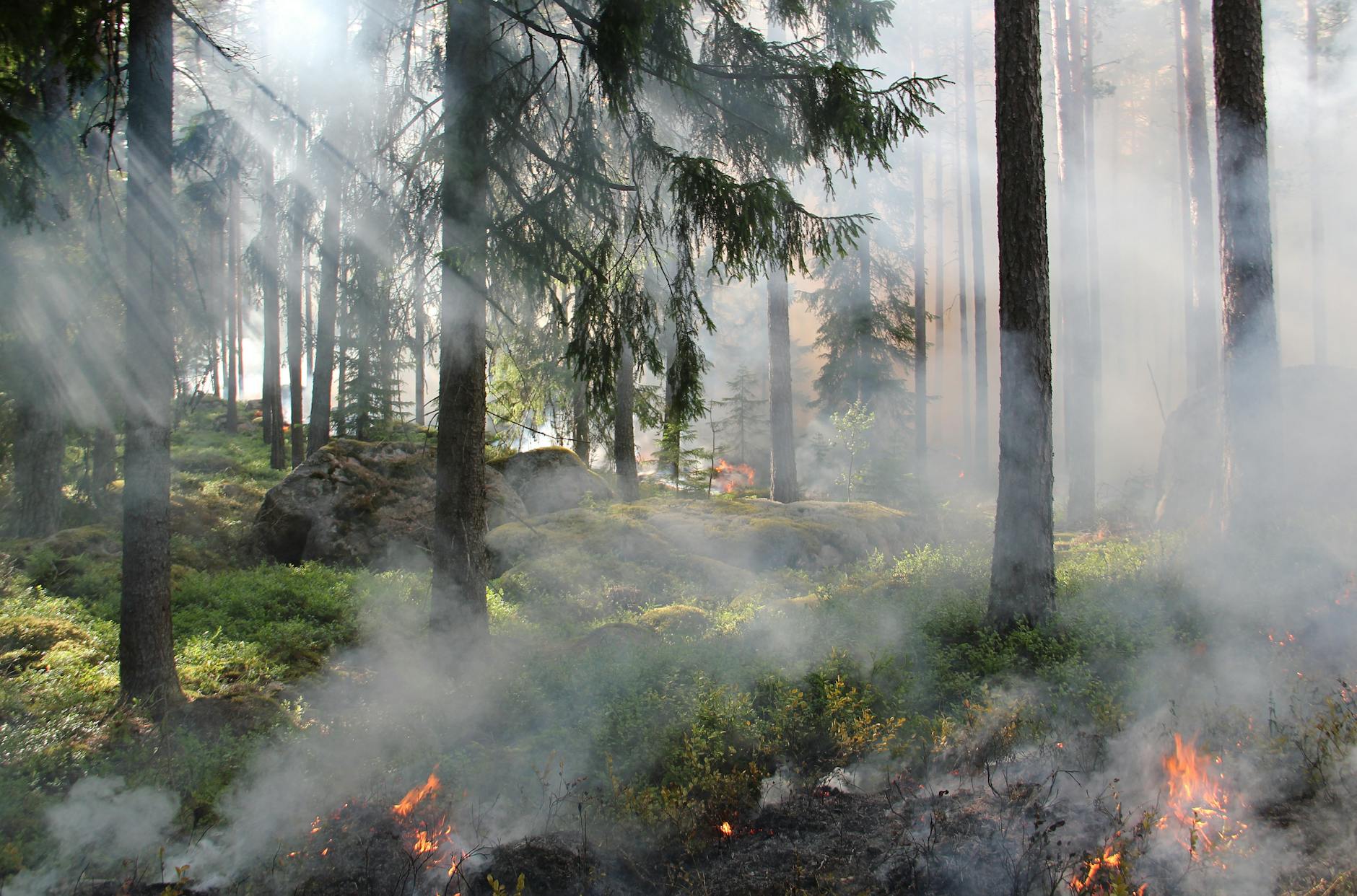
The Southeastern United States is battling a surge of intense wildfires, turning vast areas into a dangerous 'tinderbox.' A prolonged drought since July 2025 has left vegetation extremely dry, providing ample fuel for fast-spreading blazes across Florida and Georgia. These fires, exacerbated by strong winds and low humidity, are destroying homes and forcing evacuations. Experts warn that this escalating crisis is a direct consequence of climate change, highlighting the urgent need for robust environmental action to protect communities from worsening climate disasters.
The Southeast’s current wildfire crisis is a stark reminder of how climate impacts can compound. What seems like an ordinary fire season has become exceptional due to a relentless drought that began in July 2025, drying out forests and fields across the region. This brittle vegetation, combined with strong winds, allows fires to ignite easily and spread rapidly, sometimes from something as small as a balloon hitting a power line.
Normally, forest managers use prescribed burns to clear dry brush, but these vital prevention measures were put on hold due to fears that small fires could quickly spiral out of control in such arid conditions. Adding to the danger is the lingering debris from Hurricane Helene in 2024, which left behind massive amounts of downed trees and branches. This "graveyard of downed trees" has since dried out, creating perfect kindling that remains a significant fire risk two years later, as confirmed by Georgia Forestry Commission spokespersons.
Florida has seen nearly 120,000 acres burn this year, with Georgia declaring a state of emergency for its southern regions, where two large fires alone have scorched over 50,000 acres, one becoming the state's most destructive wildfire in history. AccuWeather meteorologist Brandon Buckingham noted that it’s "unusual to see this level of wildfire activity across the Southeast in April," with drought being the primary driver.
Climate change is expected to bring more frequent droughts to the Southeast, creating a challenge for fire management and shortening the safe window for prescribed burns, according to a 2025 U.S. Forest Service report. This often leads to "vegetation whiplash," where heavy rains lead to lush growth, followed by extreme drought that turns this abundance into more fuel for fires. As more people move into areas where developed land meets forests, the risk of human-caused ignitions, which account for the majority of U.S. wildfires, also increases. The record-breaking nature of these events underscores the clear link between climate change and the growing intensity and frequency of wildfires.