Southern Growth's Dark Side: Who Pays for Our Air Pollution?

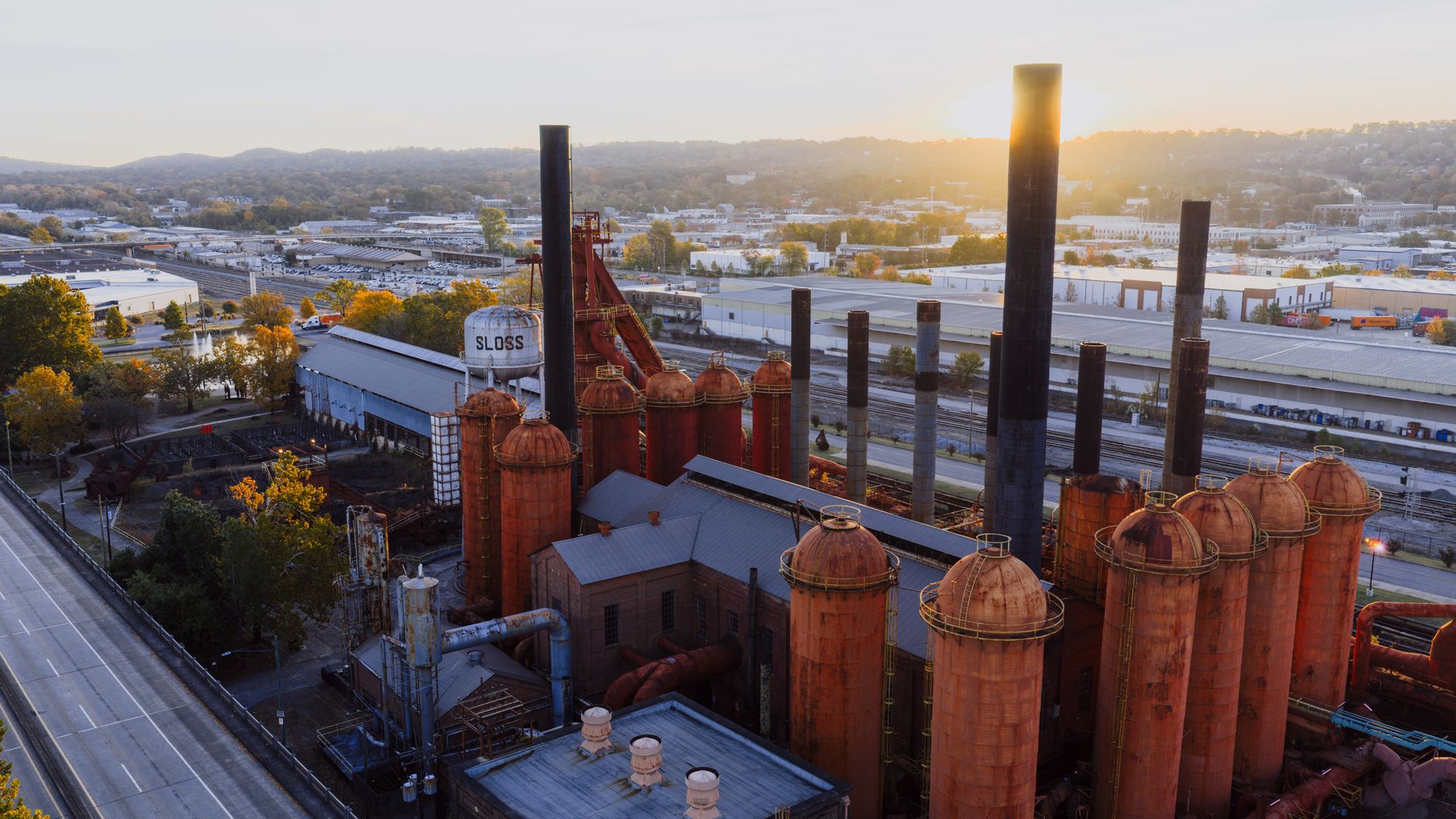
For generations, communities in the American South, particularly Black and working-class families in places like Birmingham, Alabama, have borne the severe health burdens of industrial pollution. Historically segregated into neighborhoods near factories and toxic sites, residents face elevated risks of cancer and respiratory illnesses, living with some of the nation's worst air quality. Recent decisions, such as the EPA's change in how it values human lives in environmental regulations and the repeal of the “endangerment finding,” further endanger these already vulnerable populations. New industrial projects, like energy-intensive data centers, threaten to compound these issues. This ongoing environmental injustice underscores an urgent need for policies that prioritize community health over corporate profits and foster truly sustainable development.
Growing up in Birmingham, Alabama, with generations of family roots in steel production, the air often carried a metallic scent – a silent reminder of the industry that shaped the region. Black and working-class families, like mine, were historically segregated into neighborhoods dangerously close to coke fuel plants and steel facilities. This pattern of placing communities of color closest to toxic sites, from slavery to industrial booms, was not accidental but a result of policy, making them pay a disproportionate price for the country's growth.
Today, these communities still face decades of toxic exposure, leading to higher risks of cancer and chronic respiratory illnesses. Birmingham's air quality ranks among the worst in the nation, with contaminated soil and Superfund sites near homes. This isn't just history; it's a current crisis, compounded by the added stress of eco-anxiety on residents.
Recent federal actions have only worsened the situation. The Environmental Protection Agency (EPA) signaled it would no longer weigh the number of lives saved when evaluating environmental regulations, effectively devaluing human health in favor of corporate savings. Furthermore, the repeal of the “endangerment finding” (which linked climate gases to public health threats) by the previous administration stripped away crucial authority to address worsening air quality, extreme heat, and flooding that disproportionately harm these very communities.
Even newer industries pose a threat. Massive data centers, often pitched as modern economic engines, demand enormous amounts of electricity. Many rely on polluting gas-powered generators, releasing harmful nitrogen oxides and particulate matter into nearby neighborhoods, essentially extending the legacy of toxic exposure. This cycle of prioritizing profits over health underscores the urgent need for a shift towards truly sustainable solutions.
We must redefine prosperity not by the number of facilities or power consumed, but by the years of life added and the well-being of communities. This means investing in green spaces, cleaning contaminated areas, and ensuring that development decisions always begin with public health at their core. Imagine a South where every child breathes clean air and inherits a legacy of investment, not exposure, fostering safety, power, and possibility for all. This vision of collective well-being is vital for environmental justice and a truly sustainable future.