Southwest Floods: Why This Desert Region Can't Cope

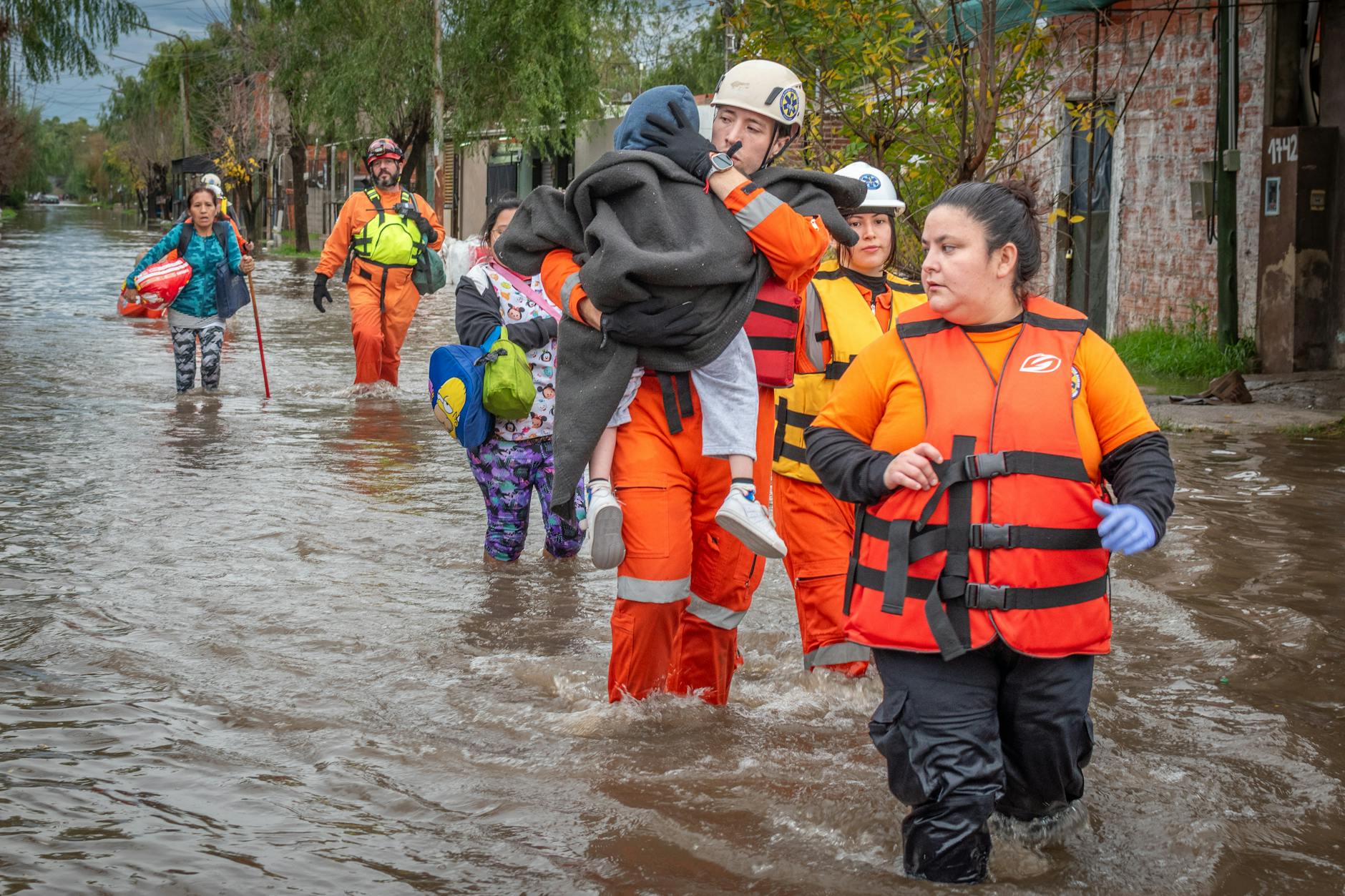
The U.S. Southwest is bracing for continued severe flooding as the remnants of former Hurricane Polo sweep across the region. After weakening over northwestern Mexico, Polo's heavy rains have saturated areas of Arizona and New Mexico, prompting urgent evacuations in several small towns due to concerns about a dam's stability. This extreme weather follows an unusually wet September, leaving the ground with nowhere to absorb the new deluge. The escalating flood risk is a stark reminder of how climate change intensifies weather patterns, making already vulnerable areas prone to devastating, rapid-onset events, demanding increased climate resilience.
The remnants of former Hurricane Polo are drenching the U.S. Southwest, triggering widespread flooding and forcing communities in New Mexico to evacuate. Concerns about a potential dam failure along the Rio Grande led to immediate evacuation orders for residents in Rincon, Salem, Garfield, Hatch, and Placitas, all told to seek higher ground as conditions rapidly worsened.
Across Arizona, roadways have been swamped, leading to multiple water rescues, including a person stranded on an overturned vehicle. In Utah, flash flooding prompted helicopter rescues in Zion National Park, and residents in Orderville saw their homes surrounded by raging floodwaters, with property swept away. The Bureau of Land Management also reported significant damage to access roads in conservation areas.
This comes after an unusually soggy September left the ground saturated, meaning rainfall has nowhere to go but run off rapidly. For a rocky, desert area that typically sees very little rain annually, this intense and sudden deluge makes flash flooding a constant and heightened risk. Such extreme weather events underscore the urgent need for climate action and sustainable solutions, as our planet's changing climate amplifies the intensity and frequency of these destructive storms.
Before hitting the U.S., Hurricane Polo made landfall in Baja California Sur, Mexico, with powerful winds and rain. Despite downed power lines and flooded homes, residents like shopkeeper Elbia María Bachomo felt lucky, finding their community largely intact after preparing for the worst.
The flood risk is expected to move into parts of the central U.S., with heavy rain forecasted for Texas and Oklahoma, and flood watches extending into Colorado, Kansas, Nebraska, and Iowa. This surge in Pacific storm activity, consistent with El Niño years, highlights a broader pattern of increased extreme weather, making proactive environmental protection and collective climate action more vital than ever.