Southwest Reservoirs See Unexpected Relief, But Climate Crisis Remains

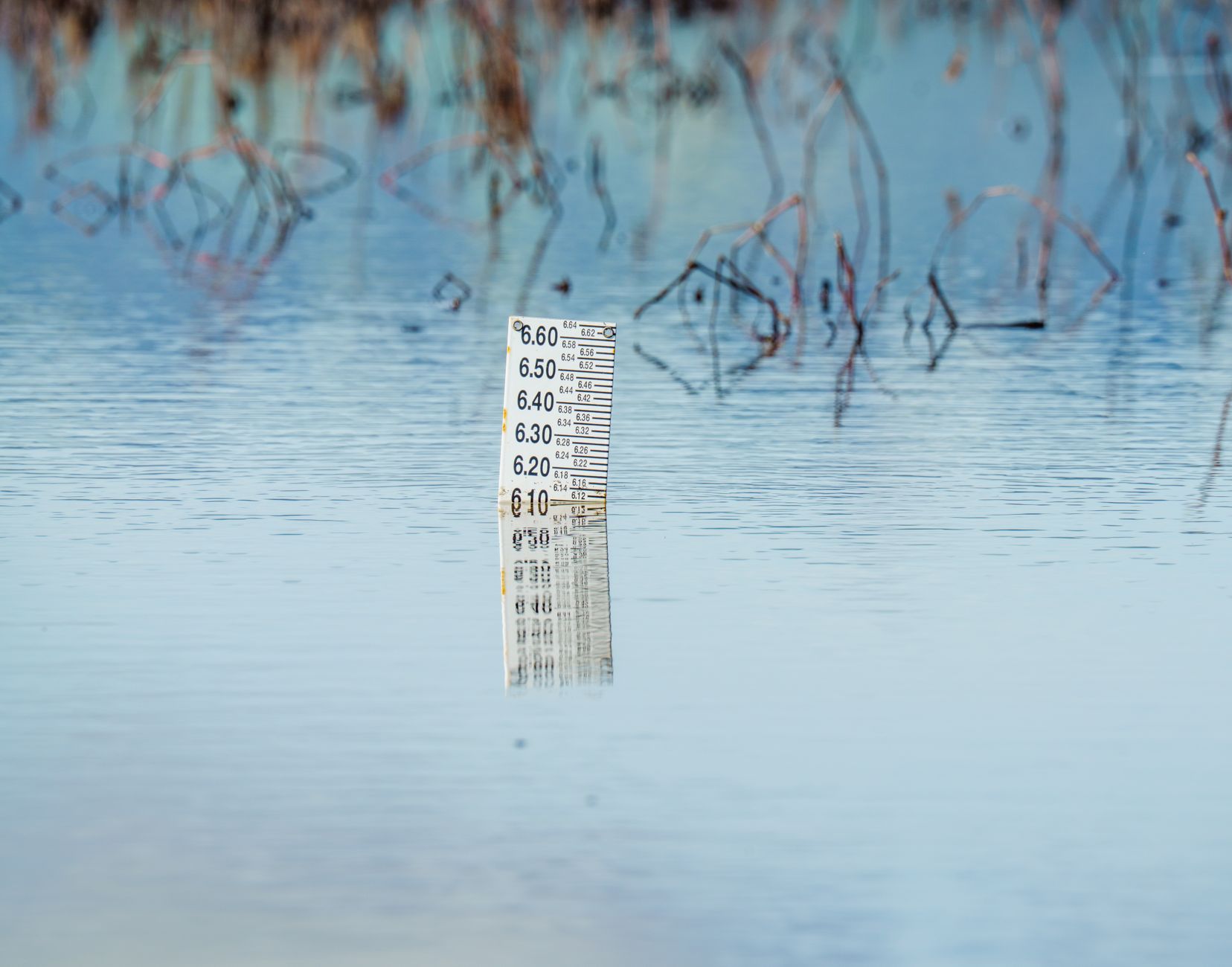
Recent intense flooding across the U.S. Southwest has brought an unexpected, albeit temporary, surge of water to critically low reservoirs. After years of persistent megadrought left water bodies like Lake Powell at historic lows, the late October and early November storms offered a rare boost. While disruptive to local communities, these floodwaters are now replenishing depleted lakes and underground aquifers. This unusual turn, intensified by the chaotic climate phenomenon of El Niño, underscores the extreme weather patterns that define our changing climate and the urgent need for long-term water resilience in the face of ongoing climate challenges.
The second-largest reservoir in the U.S., Lake Powell, saw its water level climb over 20 feet from its September low, an impressive gain that far exceeded this year's snowmelt contributions. Climate scientists estimate these floodwaters could add over 1.2 million acre-feet to the lake, enough to supply around 4 million families for a year. This unexpected boost is a direct result of storms sending massive torrents through usually dry creeks, intensified by the El Niño weather pattern expected to continue for several months.
Local communities, while experiencing evacuations and disruptions from the intense rains, also welcomed the crucial water. Pagosa Springs, Colorado, saw its water restrictions lifted after receiving about seven inches of rain. Similarly, Flagstaff, Arizona, gained over three billion gallons for its surface water supply, providing a much-needed buffer for its systems. These events highlight how extreme weather, a hallmark of our changing climate, can bring both immediate challenges and vital, if fleeting, benefits to water-stressed regions.
Despite these significant gains, experts caution that the Southwest remains in a severe drought. Crucial decisions regarding the Colorado River basin’s water allocation, already made, are unlikely to change based on these short-term improvements. States like California, Nevada, and Arizona are already committed to reducing water use, reflecting the dire long-term outlook. As climate scientist Martin Hoerling noted, we must "figure out how to be resilient in a drier future," emphasizing the critical importance of sustainable water management and environmental action for enduring climate resilience.