SpaceX Almost Didn't Exist: The Mission That Changed History

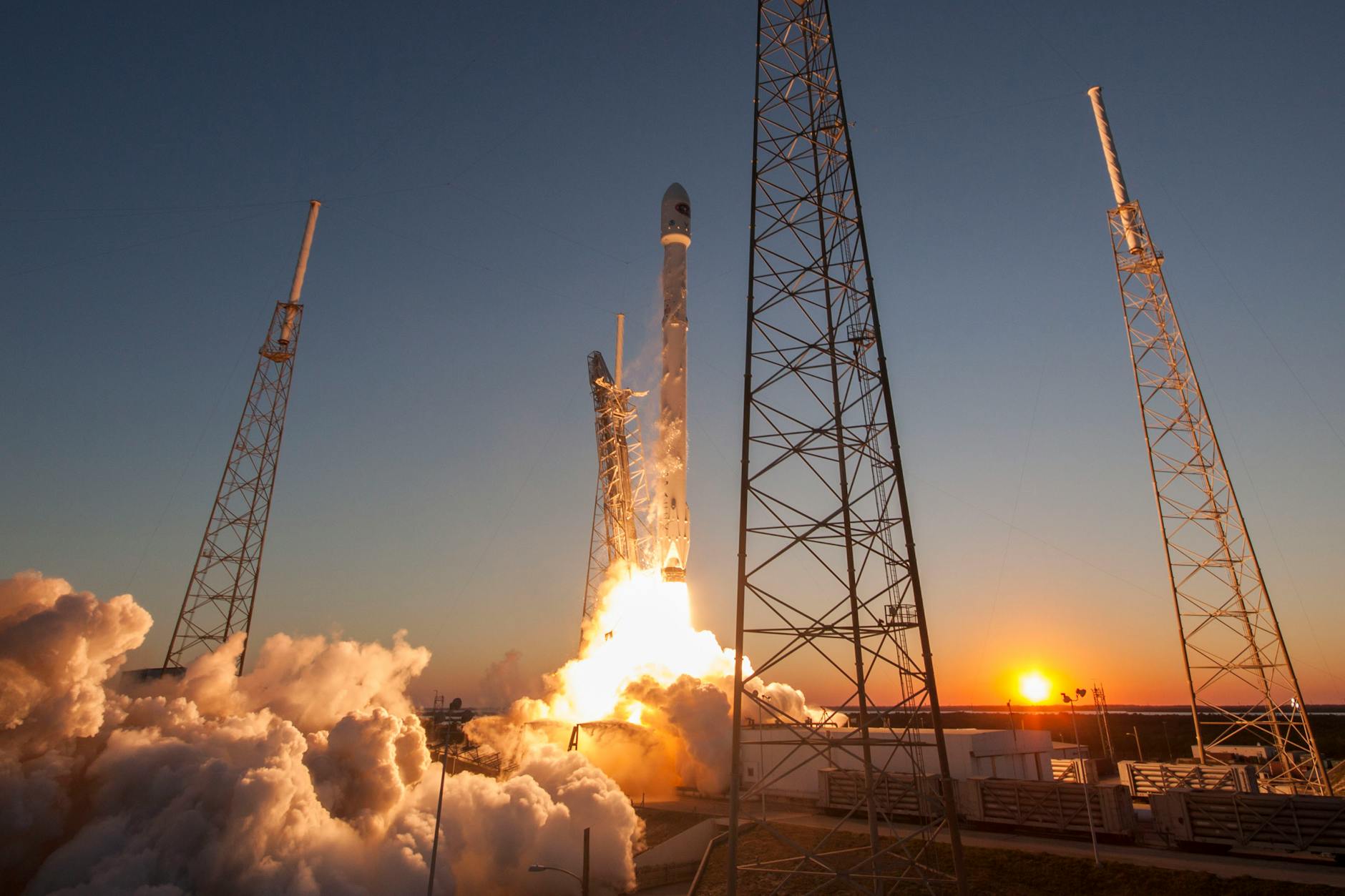
Elon Musk recently revealed the stark reality behind SpaceX's early days: the company's entire future hinged on the success of its fourth Falcon 1 rocket launch. After three costly failures, SpaceX was nearly out of money, with funds remaining for only one more attempt. This critical mission in late 2008 wasn't just another test flight; it was a desperate gamble for survival. Its success ultimately paved the way for the innovative space company we know today, profoundly reshaping the industry.
Before becoming a global leader in spaceflight, SpaceX endured a challenging start, facing three consecutive rocket failures. The first Falcon 1 flight in 2006 ended abruptly due to a manufacturing flaw—a corroded fuel line fitting. A year later, the second launch reached space but couldn't achieve orbit because of propellant sloshing issues that caused the rocket to tumble. The third attempt in August 2008 seemed promising until residual thrust from the first stage caused it to collide with the second stage after separation, losing the mission again. Each setback brought the company closer to collapse, with its innovative Falcon 9 and Dragon programs existing only on paper.
With limited funds and immense pressure, the team assembled Flight 4 from remaining parts. Learning from their previous failures, they implemented crucial design changes, including a longer delay during staging to avoid another collision. On September 28, 2008, this make-or-break mission successfully placed a dummy payload, Ratsat, into orbit, making Falcon 1 the first privately developed liquid-fueled rocket to achieve this feat. Elon Musk famously called the orbital insertion “middle of the bull’s-eye.”
This singular success was more than just a technical achievement; it was the lifeline that secured SpaceX's future. It unlocked a crucial Commercial Resupply Services contract with NASA, which was essential for the development of the larger Falcon 9 rocket and the Dragon spacecraft. Without this pivotal moment, there would have been no Falcon 9, reusable first stages, affordable launch prices, and massive projects like the Starlink internet constellation might not exist. The entire landscape of commercial space travel, from high launch cadences to lunar and Mars exploration ambitions, would be years behind, resembling the slower pace of the early 2000s rather than today's rapid advancements. The aerospace industry as we know it hung by a thread, proving how one successful endeavor can redefine an entire sector.