SpaceX Engine Breaks Limits, What It Means For Space [Rocket Power]

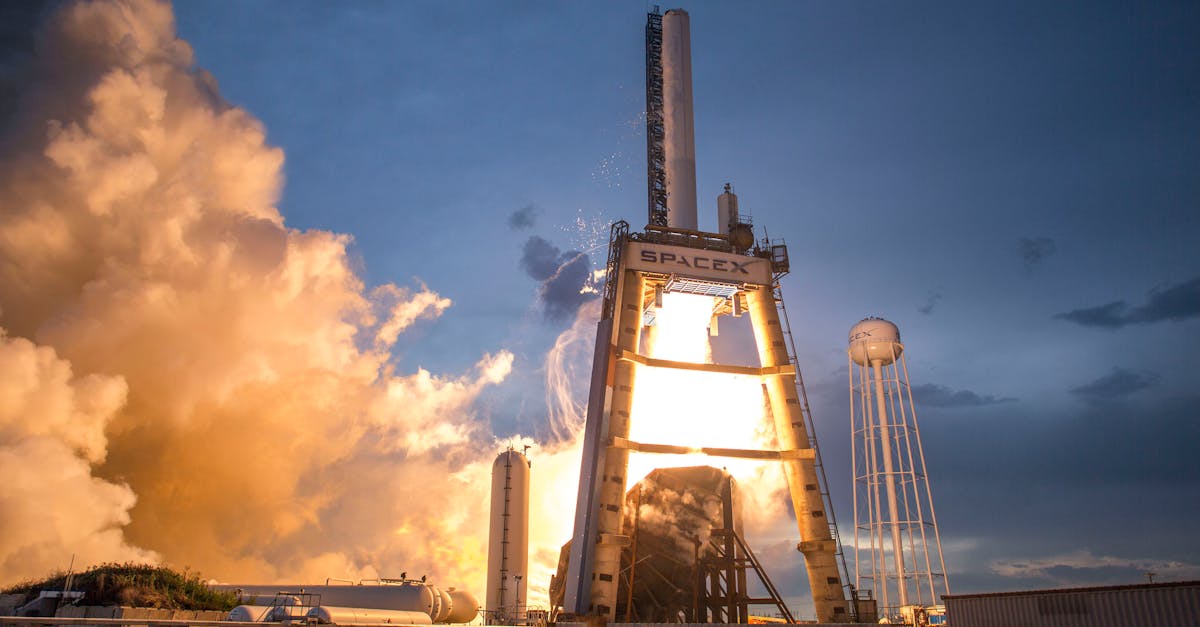
SpaceX is making impressive strides with its Raptor engine, significantly boosting its power while keeping its size and weight stable. This engineering feat means the Super Heavy booster, which powers the Starship rocket, will gain a huge lift capacity. It’s a game-changer for space missions, promising to make launching heavier payloads and reaching distant destinations like the Moon and Mars more achievable than ever before. This continuous improvement underscores SpaceX's innovative approach to space travel.
SpaceX’s Raptor engine development showcases remarkable engineering progress, consistently increasing thrust while simultaneously reducing or maintaining engine mass. This has led to a much better thrust-to-weight ratio, dramatically improving the Super Heavy booster's performance.
For example, the initial Raptor 1 delivered 185 metric tons of thrust. Now, the upcoming Raptor 4 is expected to hit an astounding 300 tons of thrust while keeping roughly the same mass as its predecessor, Raptor 3. This means a more than 60 percent increase in power from the first engines, which is a testament to the company's innovative work.
This isn't just about bigger numbers. Higher sea-level thrust means the rocket can accelerate faster off the launch pad. This is crucial because the vehicle is heaviest at liftoff and fighting Earth’s strong gravity and dense atmosphere. Shaving even a few seconds off this initial climb preserves more propellant energy, helping reduce gravity losses during the first minute or two of the flight and freeing up capacity for heavier payloads or longer missions.
With 33 of these powerful Raptor 4 engines on the Super Heavy booster, the total liftoff thrust would reach nearly 9,900 metric tons. That's almost three times the power of the legendary Saturn V rocket! Since the booster's diameter limits how many engines can be packed in, increasing the power of each individual engine is the most effective way to boost overall performance.
Maintaining engine mass while increasing thrust is also vital. It means that raising thrust improves the engine’s own thrust-to-weight ratio and less fuel is needed just to carry the engines themselves, leaving more capacity for everything else—propellant, payload, or even safety features. This compounding effect is key to enabling Starship's ambitious goals, including carrying over 100 tons to low Earth orbit, facilitating orbital refueling, and supporting future lunar and Martian expeditions. These advances bring us closer to making large-scale, reusable space transport a reality.