SpaceX Engine Breaks Records: What It Means for Future Space Travel [Data]

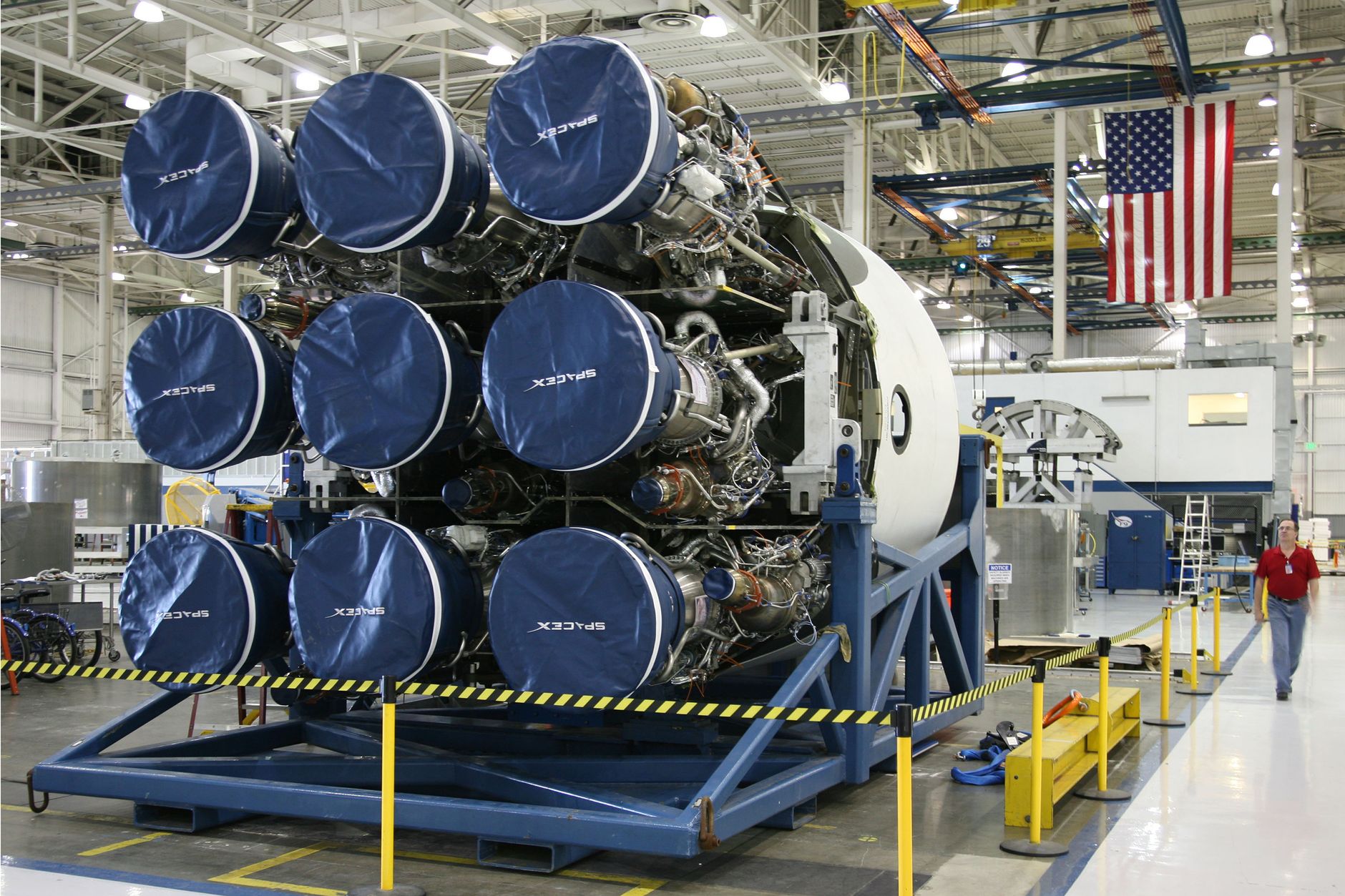
SpaceX is making incredible strides with its Raptor engine series, steadily boosting power while shrinking weight. The latest, Raptor 4, promises a massive leap in thrust, aiming for 300 metric tons at sea level. This engineering marvel is not just about bigger numbers; it’s revolutionizing how rockets leave Earth, making space travel more efficient. These advancements are crucial for carrying heavier loads, reaching distant destinations like the Moon and Mars, and making large-scale space transport a reality.
SpaceX engineers have been tirelessly improving their Raptor engine family, making them more powerful and lighter with each version. The first Raptor engines provided 185 tons of thrust, but the newest, Raptor 4, is expected to deliver an incredible 300 tons. What's even more impressive is that they've achieved this while keeping the engine's weight roughly the same as its predecessor, Raptor 3, or even reducing it significantly from earlier versions. This represents over a 60 percent increase in thrust from the first designs, showcasing remarkable engineering.
This isn't just a technical upgrade; it has huge implications for SpaceX's Super Heavy booster, which uses 33 of these engines. With Raptor 4, the Super Heavy could generate nearly 9,900 metric tons of liftoff thrust, almost three times what the legendary Saturn V rocket produced. This immense power means the rocket accelerates faster off the launch pad, spending less time battling Earth's gravity. Every second saved here means more fuel for the journey to orbit or for carrying extra payload, making missions more flexible and cost-effective.
The ability to pack more power into a lighter engine is a game-changer for the entire Starship system. It means Starship can carry significantly heavier loads, enabling larger payloads to low Earth orbit—over 100 tons. This capacity is essential for ambitious projects like orbital refueling, future lunar expeditions, and ultimately, ferrying cargo and crews to Mars. These continuous improvements in engine performance are crucial for turning the dream of routine, large-scale space travel and reusability into a practical reality.