SpaceX Eyes $24 Billion Texas Plant, But What's the Catch?

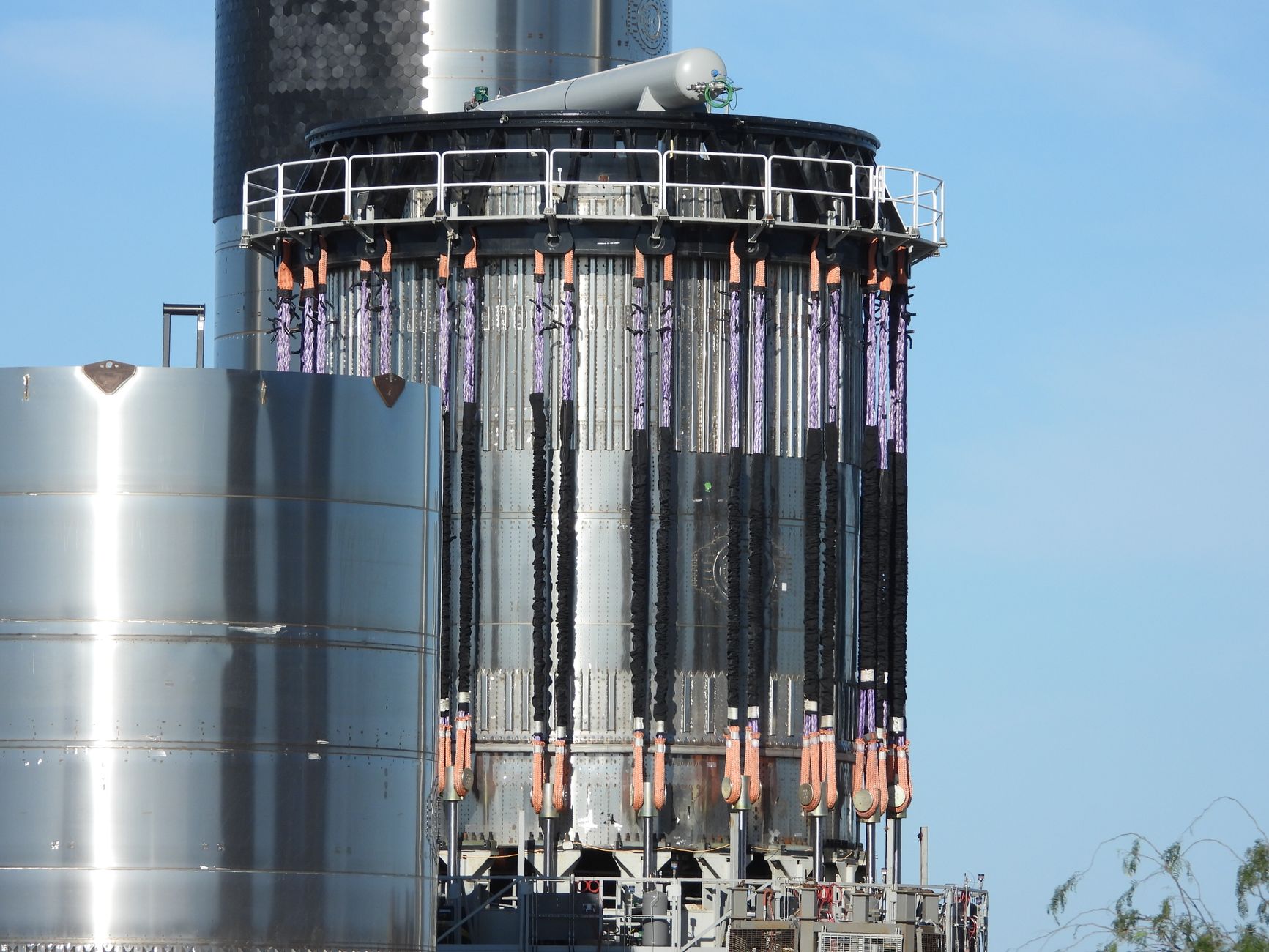
SpaceX is proposing a colossal $24 billion natural gas power plant and supercomputing facility in Starbase, Texas, igniting a significant debate. The company is actively seeking a property tax abatement for this multi-phase project, which includes plans for 35 gas turbines. This ambitious development raises serious environmental questions about its reliance on fossil fuels, especially amidst growing calls for cleaner energy and sustainable solutions. The initiative highlights a tension between rapid technological expansion and critical climate action.
SpaceX is seeking significant property tax breaks from the City of Starbase, Texas, for a colossal $24 billion natural gas power plant and supercomputing facility. This massive project, planned for 444 acres near Boca Chica Boulevard and the Port of Brownsville, is just the initial phase of what could become an even larger energy and data complex. Local officials will soon consider the tax abatement, which is crucial for a development of this scale.
The plan involves constructing a gas-fired power plant with 35 mobile gas turbines designed to generate roughly 750 megawatts of electricity. This setup would allow SpaceX to power its supercomputing needs independently, bypassing current state-level pauses on new data center connections to the Texas grid. However, relying on natural gas raises considerable environmental concerns regarding air quality and emissions, a critical point as the world pushes for cleaner energy.
The chosen location for the facility is notable; it was recently removed from Brownsville’s city limits by SpaceX, effectively sidestepping a new 90-day moratorium on data center applications in that city. This strategic move highlights the urgency with which SpaceX is pursuing its expansion. While securing the necessary air permits from the Texas Commission on Environmental Quality (TCEQ) remains a hurdle, the project faces broader political scrutiny.
The urgency of addressing climate change makes large-scale fossil fuel projects particularly contentious. Governor-elect Gina Hinojosa, who recently unseated incumbent Greg Abbott, has stated her intent to block data center approvals until stronger legislative protections are in place. She has also called for a halt to any sale of Boca Chica State Park to SpaceX, signaling a potential shift in state policy that could impact such energy-intensive developments. This demonstrates a growing recognition of the environmental and public costs associated with unbridled industrial expansion.
SpaceX's demand for computing power is immense, with plans to significantly increase its capacity in the coming years. While CEO Elon Musk has hinted at a future where "orbital compute" outpaces ground-based data centers, the company currently needs gigawatts on Earth. Its existing data centers, like the Colossus sites near Memphis, already operate on gas turbines and are facing lawsuits over emissions from nearby residents, underscoring the real-world environmental impacts of such operations.
Locally, opinions are divided. The South Texas Environmental Justice Network has announced protests, citing worries about air quality, water use, and the potential impact on energy bills. Meanwhile, some Brownsville residents welcome the promise of new jobs. This split reflects the challenging balance between economic development and environmental protection, a balance that becomes ever more critical as we face the accelerating impacts of global warming and strive for sustainable solutions.