SpaceX eyes November 13 for a historic Starship first

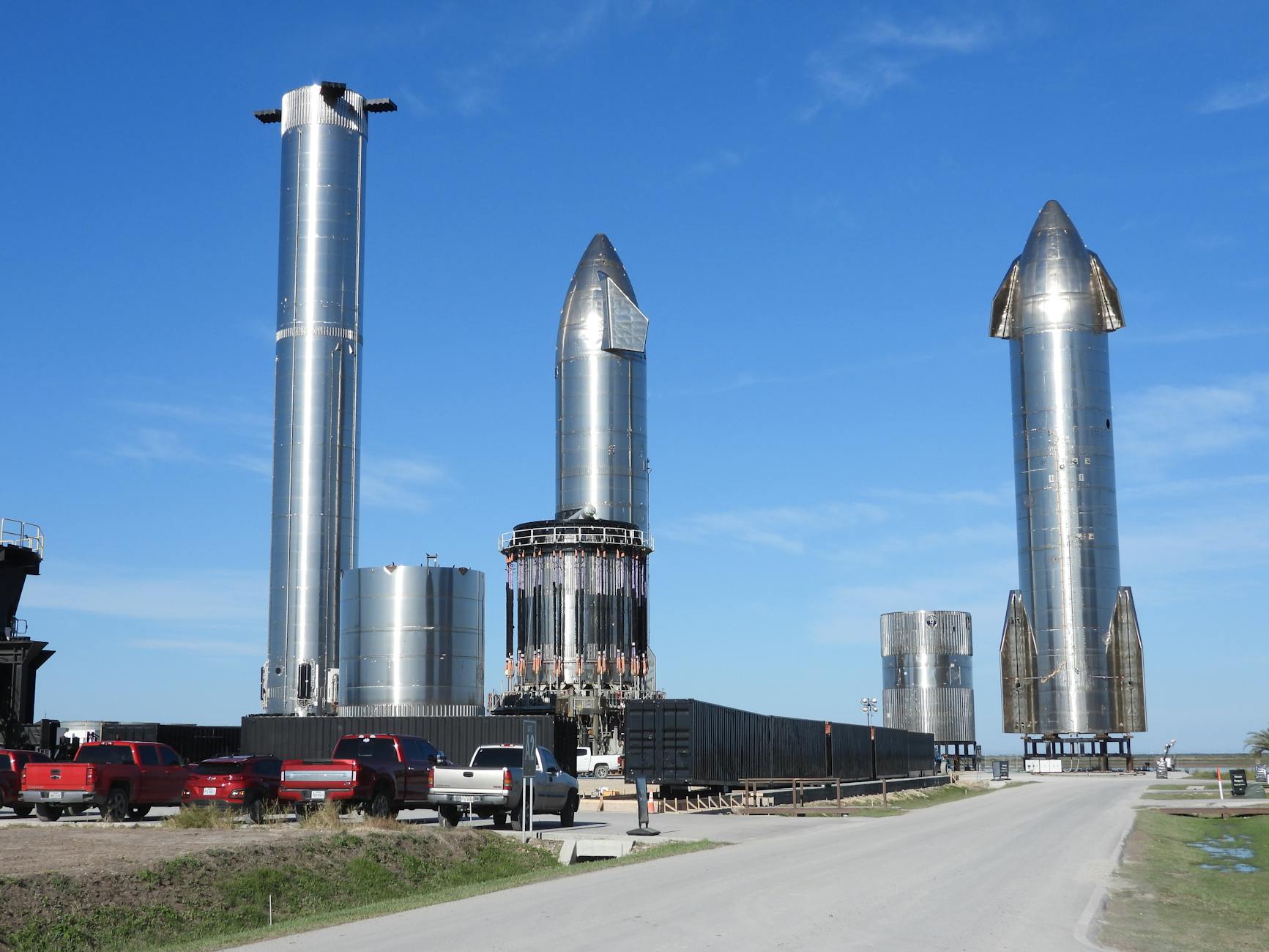
SpaceX is targeting November 13 for a groundbreaking Starship mission. Flight 15 aims to achieve a never-before-done feat: catching the Starship itself with the launch tower's robotic arms. This ambitious attempt follows successful engine tests and rehearsals, pushing the boundaries of rocket reusability. If successful, it would mark the first full recovery of an orbital-class rocket, significantly accelerating future space missions. The crucial remaining step is securing regulatory approval for this innovative land-based return.
SpaceX Vice President Kiko Dontchev recently confirmed November 13 as the target date for the Starship Flight 15 mission. This announcement marks a significant step towards an unprecedented maneuver: catching the Starship vehicle with the launch tower's 'chopsticks' after its flight.
Elon Musk had previously hinted at a launch before Thanksgiving, and later confirmed that Flight 15 would attempt to catch both the Super Heavy booster and the Starship. He estimated the odds of successfully catching the ship at better than 50/50, underscoring the challenge involved in this complex operation.
The hardware appears ready. Booster 22 completed a full static fire test, igniting all 33 Raptor engines. Ship 42, the Starship vehicle for this mission, also performed key engine tests, including a simulated deorbit burn and a longer firing of its six engines. It even rehearsed the catch maneuver in September, where the tower arms lifted it into position, demonstrating the system's readiness.
The final hurdle is regulatory approval from the FAA. Unlike previous flights which ended over the ocean, a tower catch requires the ship to return over land. SpaceX President Gwynne Shotwell indicated constructive discussions with the FAA, expressing optimism for a license that covers this ambitious return-to-launch-site and tower catch for both stages.
SpaceX has previously caught the Super Heavy booster three times, but recovering the Starship itself from orbital velocity is a much more complex task. Flight 14 successfully reached orbit, deploying satellites, but ultimately splashed down. A successful ship catch would be a monumental achievement, potentially paving the way for rapid reuse of these massive rockets, and marking a new era for space travel, as Musk envisions a quick turnaround for Flight 16, where both booster and ship fly again.