SpaceX Plans Giant Gas Plant: Will It Power Future, Or Pollution?

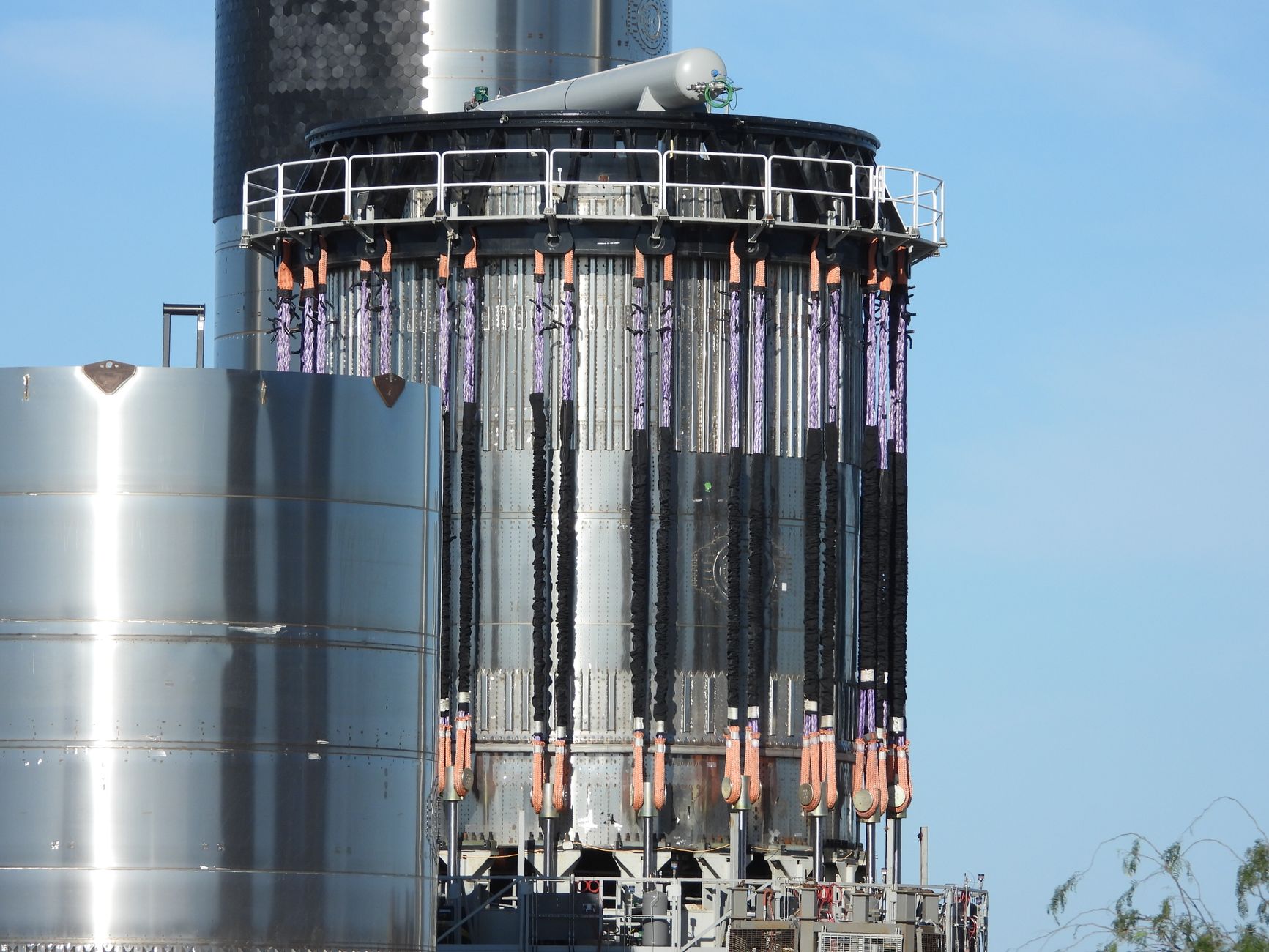
SpaceX is proposing a massive $24 billion natural gas power plant and supercomputing facility near its Starbase site in Texas. This ambitious project aims to fuel the company's growing data needs, but it's already stirring significant controversy. Critics are raising concerns about the environmental impact of a gas-fired plant, citing potential air quality issues and increased emissions at a time when global warming demands a rapid shift towards sustainable energy solutions. The company's strategic move to annex land outside city limits has also allowed it to bypass local restrictions, drawing further scrutiny. This development highlights the urgent need for companies to prioritize clean energy as they expand their operations, aligning with broader efforts to protect our planet.
SpaceX is requesting a tax break from the City of Starbase for its planned $24 billion natural gas power plant and supercomputing center. This huge facility, set to occupy 444 acres, is crucial for powering SpaceX's extensive computing demands, which are rapidly expanding. The company anticipates needing significantly more computing power in the coming years, with current plans targeting over 10 gigawatts by 2027.
The location for this new facility was strategically secured. SpaceX successfully negotiated to have the land removed from Brownsville's city limits, allowing Starbase to annex it. This move coincidentally placed the project just outside a new moratorium on data center applications in Brownsville, raising questions about regulatory bypass. State regulators are currently reviewing air permits for 35 mobile gas turbines, which would generate about 750 megawatts of power, as reported by Politico.
Building its own power plant allows SpaceX to operate independently of the Texas state grid, which has recently seen pauses on new data center connections and permits. However, this reliance on natural gas—a fossil fuel—comes with significant environmental implications. Local groups, like the South Texas Environmental Justice Network, are already protesting the project due to worries about air quality, water usage, and the broader impact on energy bills. Such concerns are amplified given the urgent global need to reduce carbon emissions and transition away from fossil fuels to combat climate change.
The project faces further challenges with the new political landscape. Governor-elect Gina Hinojosa has expressed intentions to block data center approvals until stricter protections are in place. While Elon Musk has spoken about a future where orbital computing constellations like Starmind could reduce the need for large terrestrial facilities, for now, the demand for "gigawatts on the ground" continues to grow. This situation underscores the critical balance between technological advancement and responsible environmental stewardship, urging companies to explore cleaner, more sustainable energy pathways for their ambitious endeavors.