SpaceX's Bold Wireless Move: A New Era for US Phones?

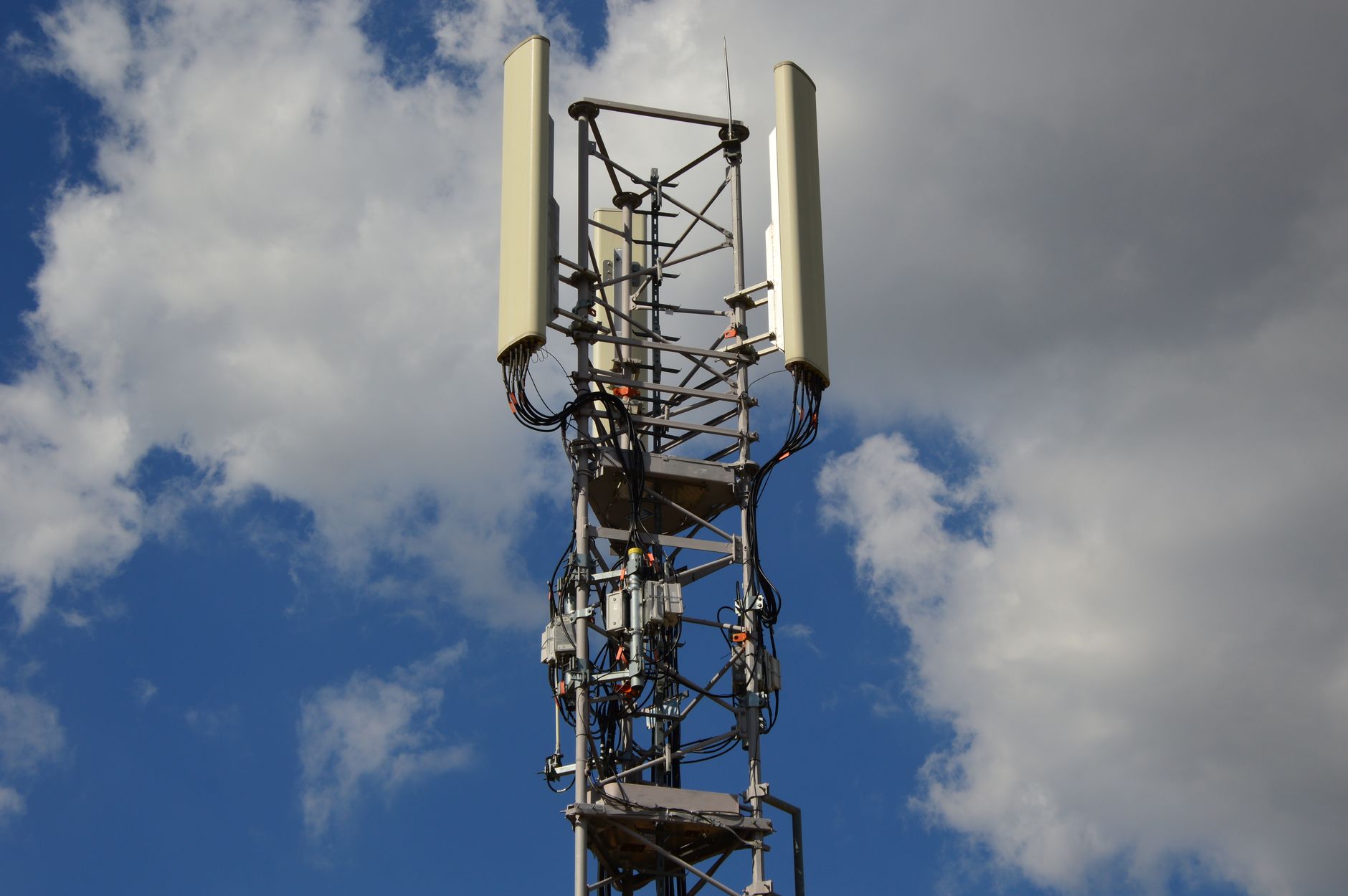
SpaceX is making a significant move into the U.S. mobile market, partnering with Qualcomm Technologies to build a nationwide terrestrial 5G network. This ambitious plan will see tens of thousands of cell sites deployed starting in 2027, aiming to complement Starlink's existing satellite direct-to-cell capabilities. The goal is to challenge wireless giants like AT&T and Verizon by offering superior coverage and capacity through a unique hybrid architecture. This development signifies SpaceX's serious intent to become a full-fledged mobile carrier, reshaping the future of connectivity.
SpaceX's Starlink Mobile is set to revolutionize the U.S. wireless landscape by partnering with Qualcomm Technologies. This multi-year agreement will see Qualcomm supply the core technology for Starlink’s planned nationwide terrestrial 5G network. Starting in 2027, tens of thousands of new cell sites across the country will begin deployment, utilizing advanced hardware designed to boost coverage and capacity. This significant collaboration marks Qualcomm's largest 5G deal to date, underscoring the scale of SpaceX’s ambitions.
This new terrestrial network won't replace Starlink's innovative satellite direct-to-cell service but will work alongside it. Imagine a world where outdoor dead zones are eliminated by satellites, while ground-based nodes add extra capacity in busy areas. SpaceX has been building up its spectrum holdings, acquiring vital low-band frequencies for better indoor coverage and mid-band frequencies for higher speeds. This intelligent hybrid system promises to deliver seamless connectivity, even during emergencies, a critical advantage over traditional providers.
SpaceX is not just looking to fill gaps; it aims to become a major U.S. mobile carrier, taking on established players like AT&T and Verizon. By controlling its entire connectivity stack—from satellites and launches to ground equipment and spectrum—SpaceX seeks to offer superior, more reliable service. The collaboration with Qualcomm also paves the way for future advancements, including more energy-efficient networks built for next-generation technologies. This bold move highlights the growing importance of integrated and sustainable communication solutions for our increasingly connected world.
While significant challenges remain, including the need for substantial capital investment and navigating regulatory hurdles, this partnership is a concrete step forward. It accelerates Starlink Mobile's transformation from a satellite internet provider to a powerful hybrid mobile competitor. This shift could reshape how we experience wireless service, emphasizing resilient, widespread connectivity that benefits everyone, everywhere.