SpaceX's Daring Starship Catch: What Comes Next?

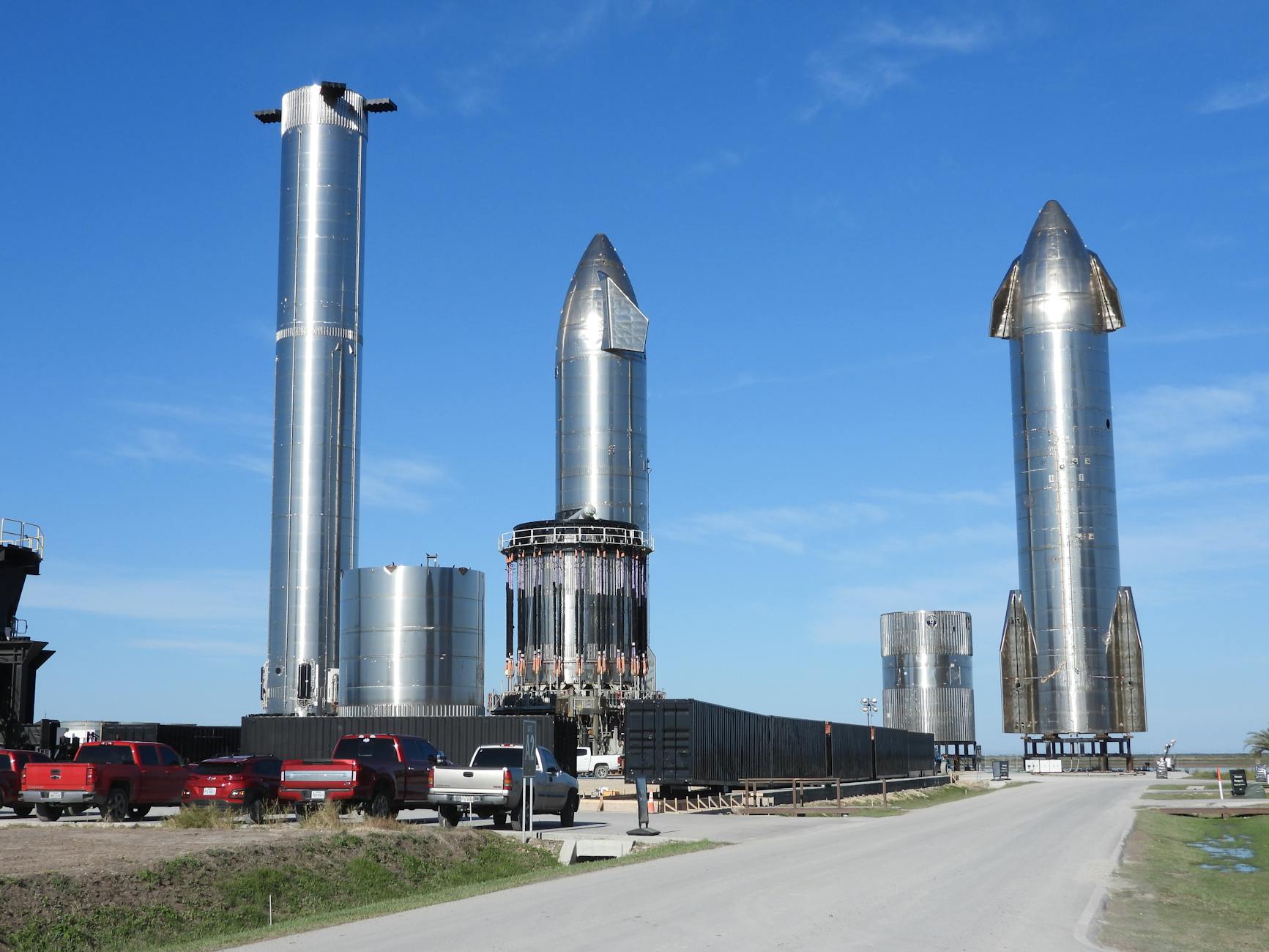
SpaceX is gearing up for a monumental leap in reusable rocketry with its upcoming Starship Flight 15. The mission aims to achieve a never-before-seen feat: catching the massive Starship upper stage with the launch tower's "chopstick" arms, alongside the Super Heavy booster. This ambitious maneuver is crucial for closing Starship's reuse loop, a key step towards making space travel more accessible and potentially more sustainable by dramatically reducing waste and resource consumption. The company recently shared an animation detailing this complex process, fueling anticipation for the high-stakes attempt.
SpaceX recently offered a detailed look at its audacious plan to catch the Starship upper stage, playing an animation during its third quarter earnings webcast. The clip showed the Starship gliding back horizontally through the atmosphere, then flipping vertical to descend towards the launch tower, where its specialized "chopstick" arms wait to grab the vehicle mid-air. This intricate maneuver is critical for achieving rapid, full reusability.
Elon Musk emphasized that a successful catch would mark the first time an orbital launch vehicle has been fully recovered, bringing his vision of highly reusable spacecraft closer to reality. While SpaceX has successfully caught the larger Super Heavy booster three times using the tower, the Starship’s return from orbit at much higher speeds presents a unique and significant challenge. Musk, whose company reported blockbuster Q3 results on Tuesday, expressed optimism for the first attempt, but also confirmed a steady stream of backup flights if needed.
The Federal Aviation Administration (FAA) has granted crucial regulatory approval for Flight 15, allowing for both the return to launch site and the tower catch for both stages. This means the Starship will reenter toward land, rather than the open ocean, a significant step forward that indicates increased confidence in the vehicle's controlled descent. Musk had previously stated this would only happen after two perfect soft landings at sea. The ability to bring the ship back to its launch site for recovery is not just a technical milestone; it's a vital component of a system designed to minimize environmental impact and maximize efficiency.
SpaceX aims for Starship to eventually fly weekly, and then even twice weekly or more by late next year, with the ultimate goal of launching a rocket, catching it, and relaunching it with virtually no refurbishment. This timeline aligns with Musk's earlier hints that Flight 15 would launch before Thanksgiving. This level of rapid and complete reuse stands to revolutionize space travel, making it far more economical and reducing the enormous resources traditionally consumed by expendable rockets. By prioritizing full reusability, SpaceX is paving the way for a more sustainable future in space exploration, where rockets are treated like airplanes, reducing waste and contributing to a greener approach to venturing beyond Earth.