SpaceX's Engine Secret: Powering Starship's Giant Leap

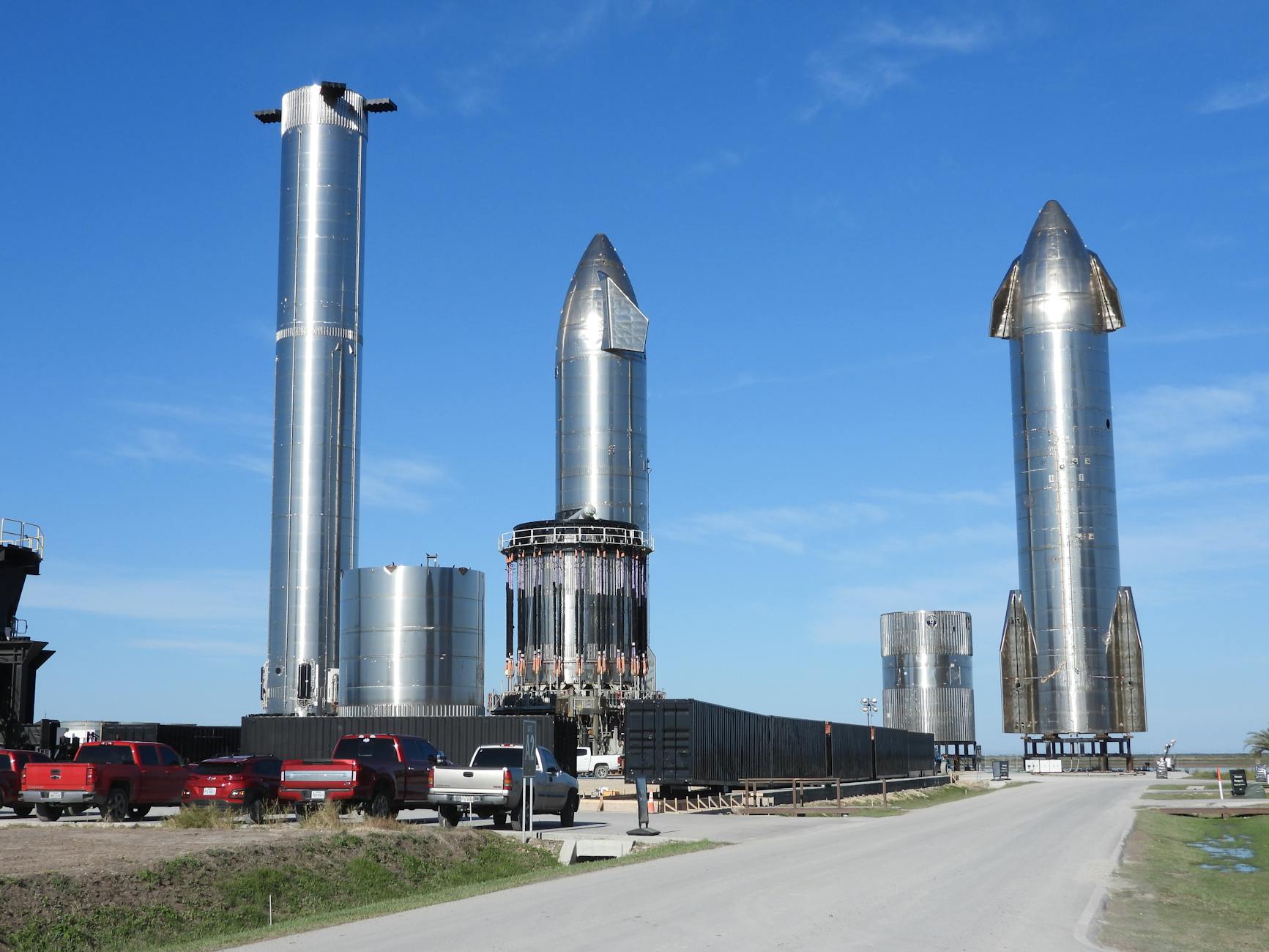
SpaceX is making incredible strides with its Raptor engines, the powerhouse behind the Starship and Super Heavy vehicles. These engines are rapidly evolving, with each new version delivering more thrust while becoming lighter. The latest iteration, Raptor 4, is expected to achieve a staggering 300 metric tons of sea-level thrust, representing a more than 60 percent power increase from the original design. This dramatic improvement is set to revolutionize space travel, paving the way for heavier payloads and ambitious missions to the Moon and Mars.
SpaceX's Raptor engines have seen remarkable progress, steadily gaining power while shedding weight. The first Raptor engine offered 185 tons of thrust, but the upcoming Raptor 4 is projected to deliver an astonishing 300 tons, all while keeping its mass similar to earlier versions. This represents a massive boost in performance, making the engines significantly more efficient.
When 33 of these powerful Raptor 4 engines are combined on the Super Heavy booster, they will generate close to 9,900 metric tons of total liftoff thrust. To put that into perspective, it's nearly three times the power of NASA's historic Saturn V rocket that took astronauts to the Moon. This immense power at liftoff is crucial because it allows the rocket to accelerate faster off the launch pad.
A quicker initial climb means the rocket spends less time fighting Earth's strong gravity, saving precious fuel and allowing for heavier payloads. This engineering marvel directly supports SpaceX's ambitious goals for Starship, enabling it to carry over 100 tons of cargo in a reusable configuration. Such capacity is vital for complex orbital refueling operations and for achieving long-term visions like lunar landings and eventual crewed missions to Mars. Ultimately, these engine advancements are key to making large-scale space travel, with high flight rates and reusability, a practical reality.