SpaceX's Near Collapse: What Saved It from Disappearing?

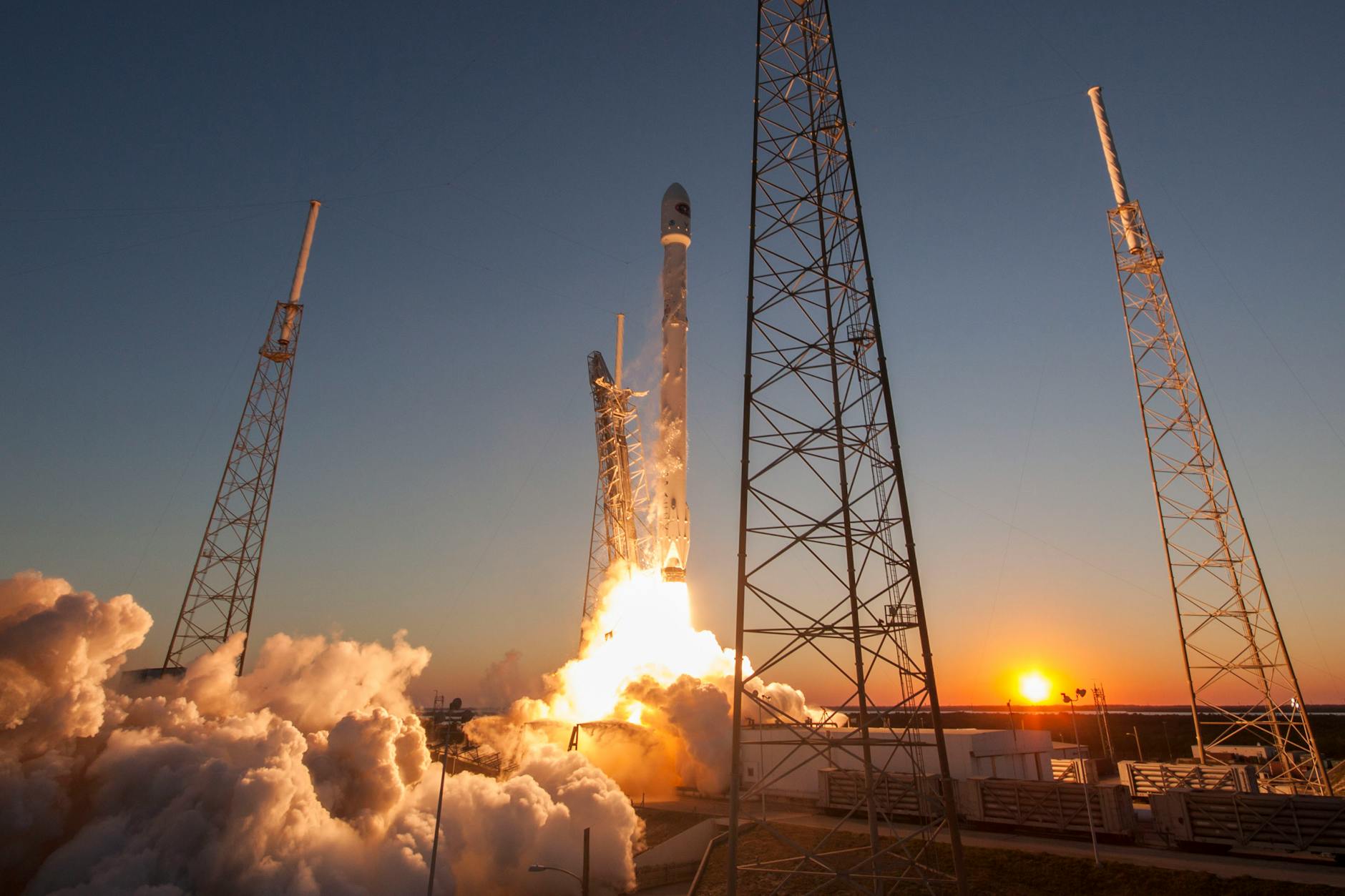
The early days of SpaceX were fraught with peril, as the company faced three consecutive rocket failures with its Falcon 1 vehicle. Running dangerously low on funds, the fourth launch attempt represented a do-or-die moment that would either secure the company's future or lead to its demise. This critical launch in September 2008 successfully placed a payload into orbit, a landmark achievement for a privately developed liquid-fueled rocket. This singular triumph was not just a win for SpaceX; it became the foundation for everything from Falcon 9 to Starlink, fundamentally reshaping access to space and igniting a new era of exploration.
Elon Musk's early SpaceX vision hung by a thread. After three frustrating failures with their Falcon 1 rocket, the company was on the brink of financial collapse, with enough money left for just one more attempt. This make-or-break moment in 2008 would determine if the ambitious private space venture would ever get off the ground.
The initial attempts were plagued with unexpected issues. The first launch in 2006 ended abruptly due to a faulty fuel line fitting. A year later, the second flight reached space but couldn't maintain orbit because of fuel slosh within the tank, leading to a complete redesign of the rocket's upper stage. Even the third launch in August 2008 saw a collision between stages due to a small, unforeseen thrust from leftover fuel, costing them orbit by mere seconds.
With the fate of SpaceX hanging in the balance, the team rallied for their fourth and final shot six weeks later. They made crucial adjustments, including delaying stage separation to avoid a repeat of the previous collision. The Falcon 1 soared, and just over nine minutes after liftoff, it successfully delivered its payload into Earth's orbit. This achievement marked the first time a privately developed liquid-fueled rocket reached space.
This single success was a turning point, not just for SpaceX but for the entire space industry. It unlocked vital NASA contracts and paved the way for the development of the larger Falcon 9 rockets, reusable first stages, and the Dragon spacecraft that now ferries cargo and astronauts to the International Space Station. Without that one crucial launch, innovative projects like Starlink's global broadband constellation would still be distant dreams. The modern era of cheaper, more frequent access to space, accelerating our ability to monitor Earth and explore beyond, truly began with Falcon 1's desperate triumph.