SpaceX's near-failure: One launch changed space history.

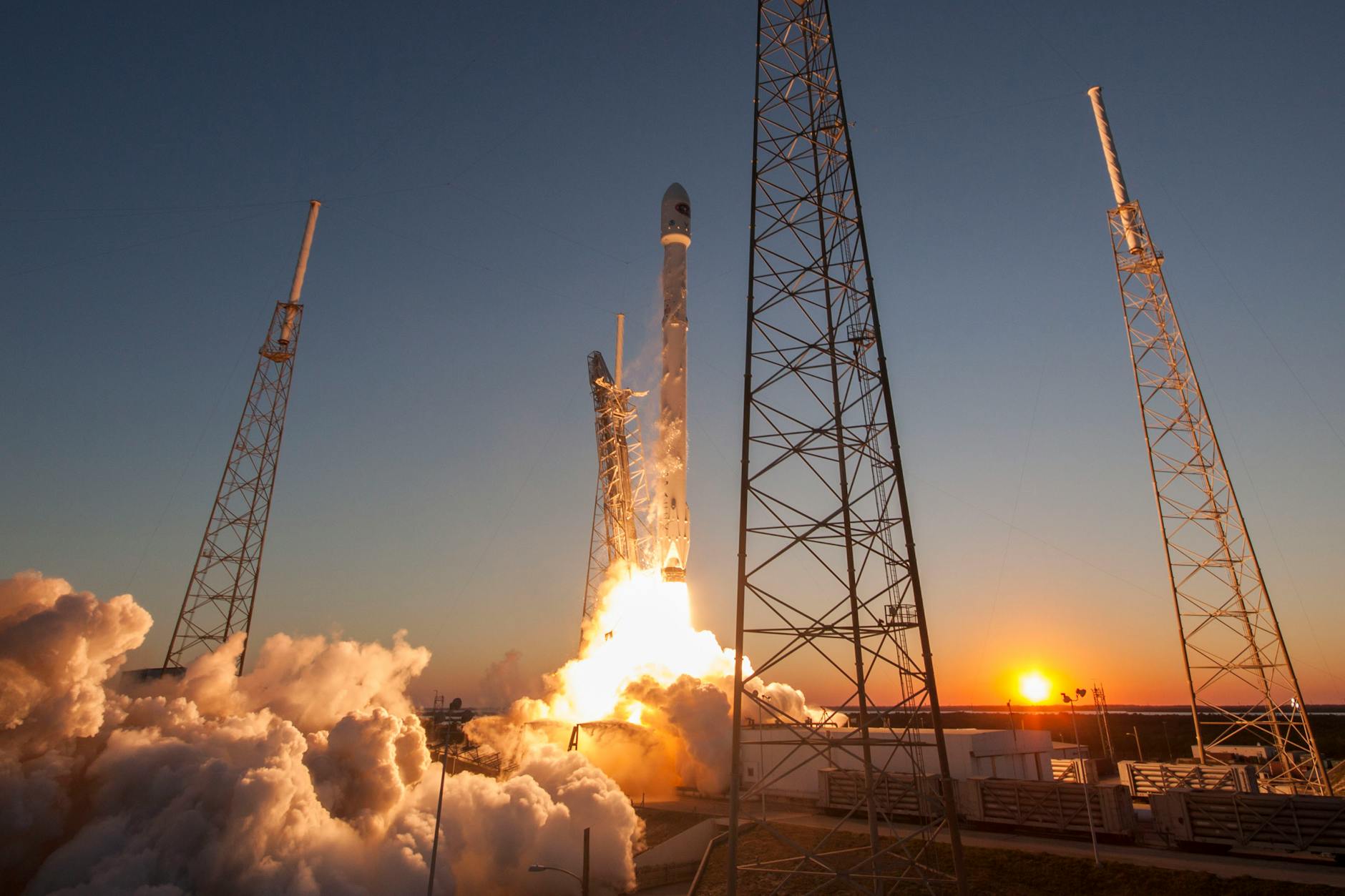
SpaceX, now a titan of space exploration, once teetered on the edge of extinction. After three consecutive rocket launch failures, the company had just one last chance to succeed with its Falcon 1 rocket. Its make-or-break fourth flight in 2008 wasn't just about putting a satellite into orbit; it was about saving the entire venture. This pivotal moment not only secured SpaceX's future but also paved the way for unprecedented advancements in space travel, enabling more affordable access to orbit that benefits global communication and environmental monitoring efforts.
Today, SpaceX leads the charge in space exploration, but its very existence hung by a thread. Founder Elon Musk recently revealed that after three consecutive rocket launch failures, the company had funds for just one last attempt with its Falcon 1 rocket. A fourth failure in late 2008 would have meant total collapse, preventing the Falcon 9 and Dragon programs from ever taking off.
The early journey was filled with unexpected challenges. Launches were derailed by issues ranging from tiny part malfunctions to unforeseen fuel dynamics and even an accidental collision between rocket sections. Each setback was a formidable obstacle, demanding continuous redesign and immense perseverance from the team, pushing SpaceX to its absolute limit.
Then came the pivotal moment: the fourth flight on September 28, 2008. With critical adjustments, the Falcon 1 successfully reached Earth orbit, making history as the first privately developed liquid-fueled rocket to do so. This triumph didn't just save SpaceX; it launched a new era of space access, a success remembered even years later. It unlocked crucial NASA contracts, paved the way for reusable rockets, affordable human spaceflight, and the Starlink constellation. Ultimately, this single success dramatically lowered the cost of space travel, accelerating global communications, vital Earth observation for climate monitoring, and our collective journey toward a more sustainable future on and off our planet.