SpaceX's New Engine: A Leap That Changes Spaceflight [Data]

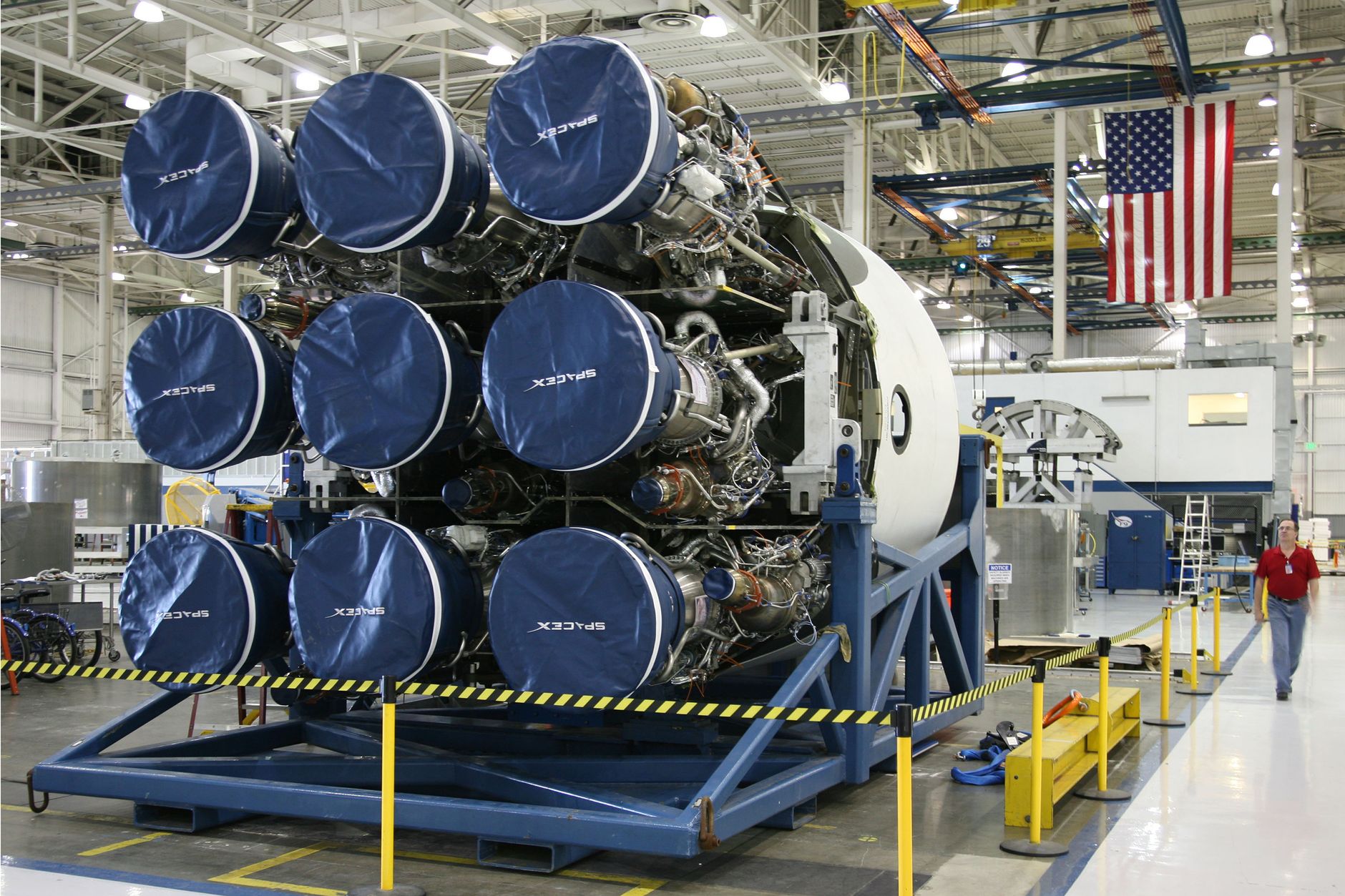
SpaceX is making huge strides in rocket engine technology with its Raptor series, continuously boosting performance for the Super Heavy booster. The latest version, Raptor 4, is expected to deliver an impressive 300 metric tons of thrust, marking a significant 60 percent increase over its original design while keeping its weight down. This remarkable engineering feat means Starship missions can carry heavier payloads and accelerate faster off Earth, pushing the boundaries of what's possible in space travel. Such advancements are crucial for making ambitious plans like lunar landings and Mars missions a practical reality.
SpaceX's Raptor engines are evolving quickly, showing how smart engineering can make a huge difference. From Raptor 1, which delivered 185 metric tons of thrust, to the upcoming Raptor 4, thrust has soared to an expected 300 tons. What's even more impressive is that this power increase of over 60 percent has come alongside a reduction in engine weight, making them incredibly efficient.
This isn't just a number game; it has massive real-world implications for SpaceX's Super Heavy booster and Starship. With 33 of these powerful Raptor 4 engines, the Super Heavy could generate nearly 9,900 metric tons of liftoff thrust. To put that into perspective, it's almost three times the power of the mighty Saturn V rocket that took astronauts to the Moon.
More thrust at liftoff means the rocket can accelerate faster away from Earth's strong gravity and dense atmosphere. This saves a lot of fuel that would otherwise be spent just fighting gravity in the initial minutes of flight. Ultimately, this preserved energy can be used to carry much heavier loads into orbit, potentially over 100 tons, and makes ambitious plans like establishing bases on the Moon or sending missions to Mars much more achievable. It's a critical step toward making regular, large-scale space travel a common occurrence.