SpaceX's Raptor Engine Just Got a Massive Power Boost

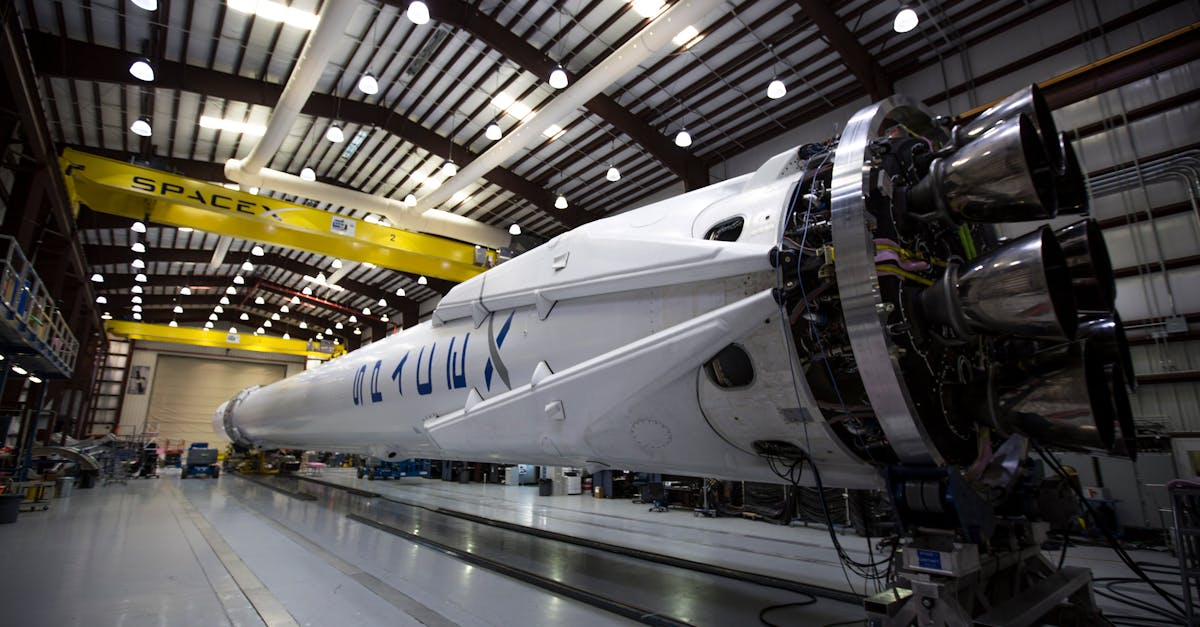
SpaceX is making impressive strides with its Raptor rocket engines, continuously boosting their power. The latest version, Raptor 4, is set to achieve a remarkable 300 metric tons of sea-level thrust while keeping its mass low. This engineering feat significantly improves the Super Heavy booster's liftoff performance, making Starship an even more capable vehicle. Such advancements are crucial for carrying heavier payloads, fueling missions to the Moon, and ultimately paving the way for human travel to Mars.
SpaceX continues to push the boundaries of rocket propulsion with its Raptor engine series. Each new version delivers more power while staying light, a key factor in making rockets efficient. For example, the upcoming Raptor 4 engine is expected to generate 300 metric tons of thrust when launching, a huge leap from its first generation, according to Elon Musk.
This significant power increase, combined with keeping the engine's weight similar, dramatically boosts the performance of the Super Heavy booster. When all 33 Raptor 4 engines ignite on Super Heavy, they will produce nearly 9,900 metric tons of force at liftoff. To put that into perspective, it's almost three times the power of NASA's historic Saturn V rocket that took astronauts to the Moon.
Why does this matter? Higher thrust at sea level means the rocket accelerates faster right off the launch pad. This efficiency reduces the time spent fighting Earth's gravity and dense atmosphere, saving precious fuel. More saved fuel translates directly into the ability to carry heavier payloads or reach further destinations.
Since the number of engines on the Super Heavy booster is limited, making each engine more powerful is the smartest way to boost overall performance without a complete redesign. These advancements mean Starship can handle much larger propellant loads and carry over 100 tons of cargo into low Earth orbit. This capability is essential for ambitious plans like refueling in space, enabling future Moon landings, and making long-term missions to Mars a reality.
Ultimately, the continuous improvement in Raptor engine thrust brings SpaceX closer to its goal of making large-scale, reusable space transport a practical and frequent endeavor. It's a fundamental step toward opening up space for more exploration and even colonization.