SpaceX's Secret Mission: Building Another Internet Network?

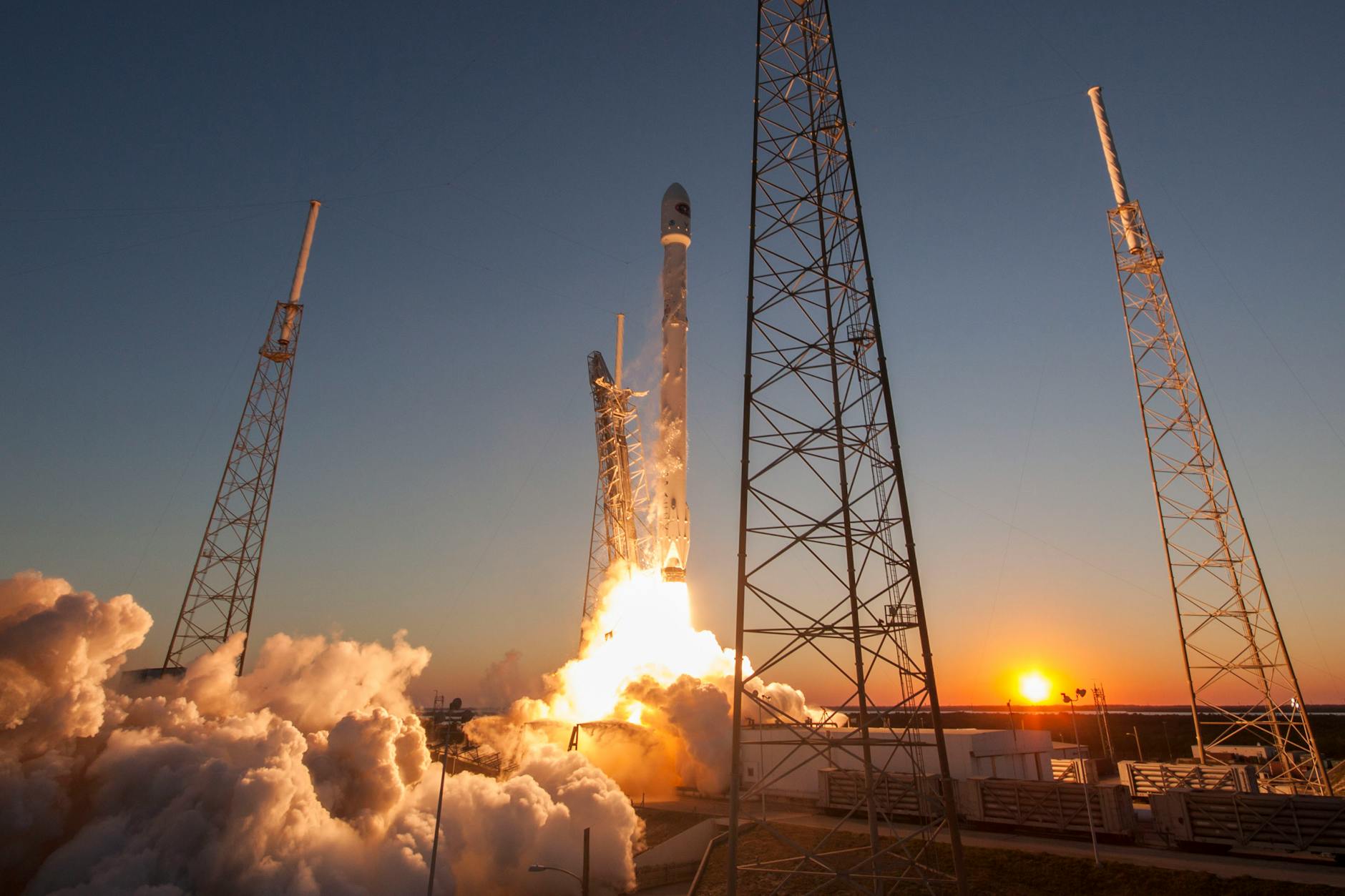
SpaceX recently completed a major project by launching the final satellites for SES's O3b mPower constellation from Cape Canaveral. This network, a decade in the making, offers high-speed, reliable internet from medium Earth orbit. Unlike Starlink's consumer focus, O3b mPower targets businesses, airlines, and governments, providing enterprise-grade connectivity. Its strategic higher orbit means fewer satellites are needed to cover the globe, a smart approach for specialized service.
The O3b mPower satellites operate at roughly 5,000 miles up, a sweet spot far higher than Starlink’s low orbit but much closer than traditional geostationary satellites. This mid-range position is key, allowing just 13 satellites to provide extensive global coverage, a feat that would require thousands in lower orbits.
While Starlink brings satellite internet directly to homes, RVs, and small businesses, O3b mPower caters to a different clientele. It offers robust connectivity solutions to major entities like cruise lines, offshore energy platforms, and telecommunication providers, treating bandwidth more like a dedicated pipeline.
In fact, SpaceX and SES have already combined their strengths. A 2023 partnership allows cruise ships to seamlessly switch between Starlink's speed and O3b mPower's steady capacity as needed. The recent launch of the final three satellites ensures this powerful, specialized network is fully operational.
This mission also added another impressive line to the Falcon 9 rocket's resume, marking its 29th journey to space. SpaceX's ability to handle diverse launches, from massive Starlink deployments to specialized projects like O3b mPower, highlights its versatility and the incredible reusability of its rockets, with the latest mission aiming for the 661st successful booster landing.