SpaceX Wins Huge Deal: What It Means for U.S. Space Defense

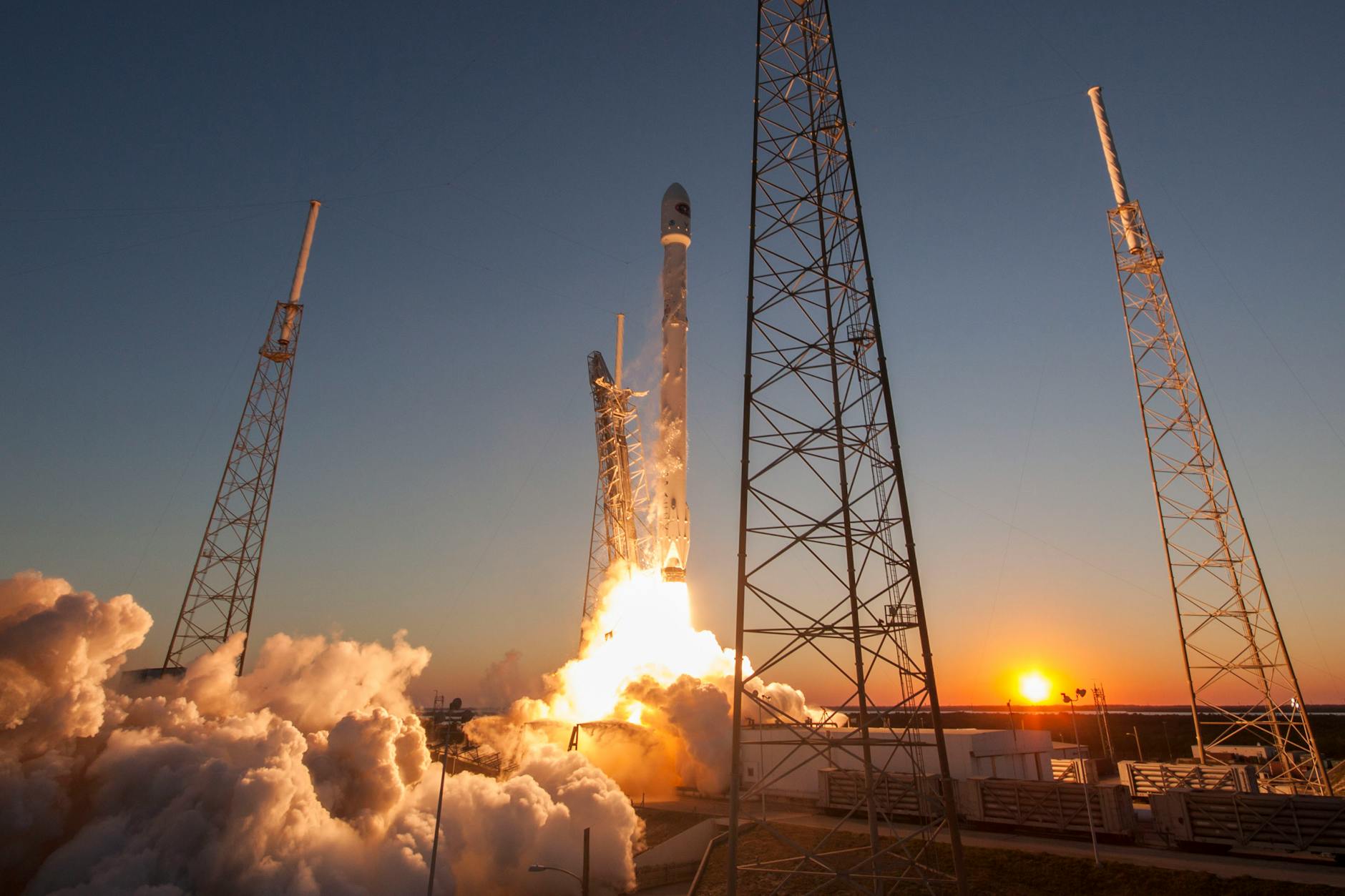
SpaceX has secured another substantial deal from the U.S. Space Force, an impressive $1.6 billion contract. This agreement involves 18 Falcon 9 missions launching vital satellites from California through late 2027. These satellites are designed to enhance the military's ability to detect and track airborne threats, relaying crucial information in near real-time to safeguard national security. The award underscores SpaceX's rapidly expanding influence, not only in deploying but also in developing key components of the nation's next-generation space defense network.
The $1.6 billion contract, covering 18 Falcon 9 missions, was awarded under the Space Force’s faster, commercial-style procurement track known as National Security Space Launch Phase 3 Lane 1. This significant agreement, the largest publicly announced order of its kind, enables the launch of critical satellites for space-based sensing and targeting. The process, from identifying the requirement to signing the contract, remarkably took only about two months, showcasing the military's urgent need for rapid advancements in its space capabilities. The Space Force confirmed this swift procurement to bolster national security.
SpaceX's role extends beyond merely launching these satellites. The company is already deeply involved in building crucial components of the same defense portfolio, including systems for airborne moving target indication and the Space Data Network Backbone. This means SpaceX now handles both the construction of these sophisticated military systems and their deployment into orbit, creating an unparalleled end-to-end solution.
With this latest award, SpaceX's total Pentagon contracts for 2026 alone have soared past $8 billion, cementing its dominant position in national security space missions. While several other companies are technically part of the Lane 1 program, SpaceX stands out as the only provider currently equipped with the necessary launch frequency and West Coast infrastructure to support such an intensive schedule. Some lawmakers have voiced concerns about the increasing concentration of vital defense launches with a single provider, yet the Space Force continues to rely on SpaceX due to its demonstrated readiness and reliable performance.