Spokane's Sky on Fire: What's Driving this Unfolding Crisis?

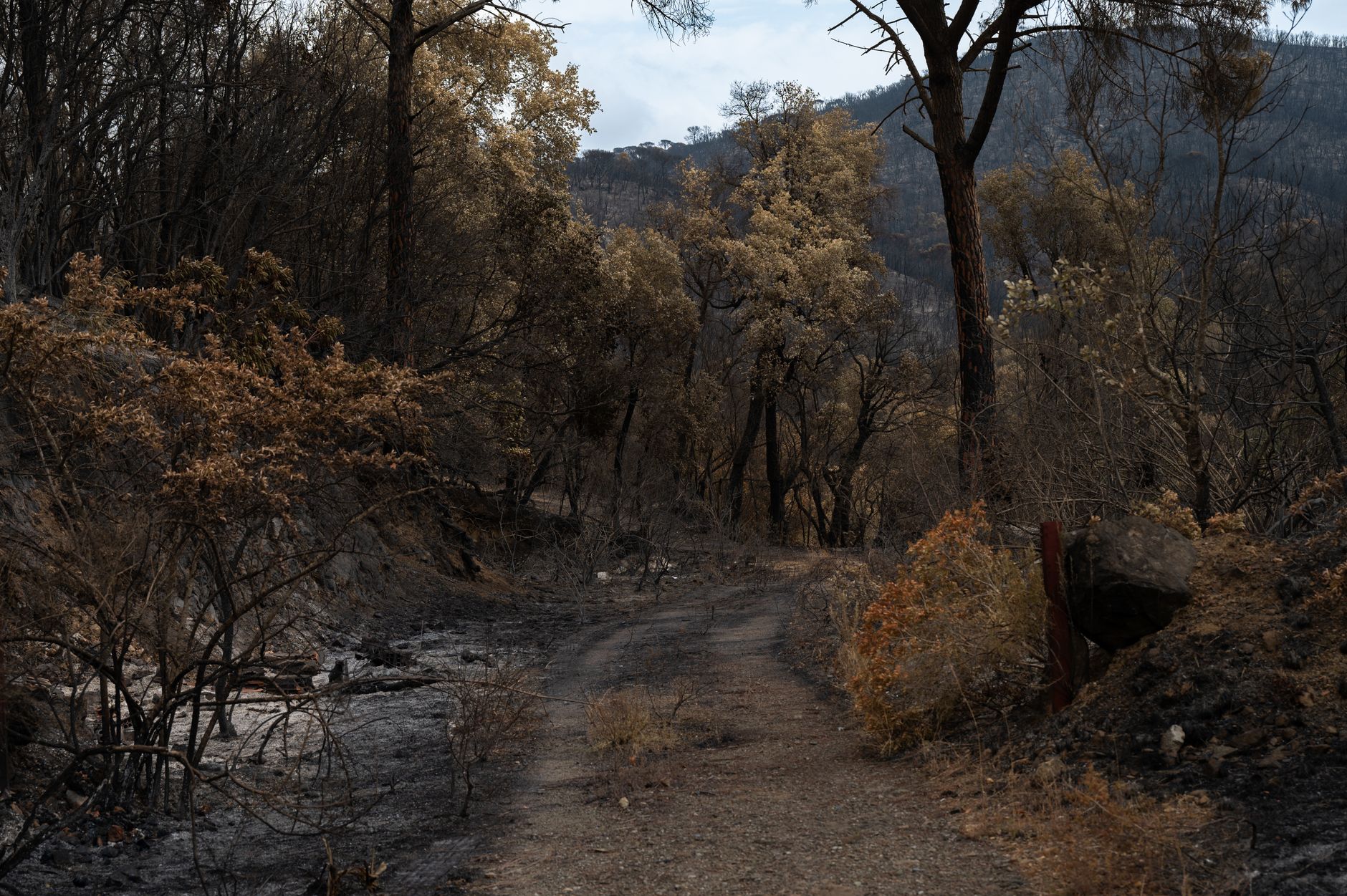
Wildfires are currently devastating areas near Spokane, Washington, forcing tens of thousands of residents to evacuate their homes. Since last weekend, these fires, impacting the state's second-largest city, have tragically destroyed hundreds of buildings, leaving a trail of widespread destruction. This unfolding crisis serves as a stark reminder of the escalating threat posed by a changing climate. As global temperatures rise, such extreme weather events are becoming more frequent and intense, highlighting the urgent need for robust environmental action. Protecting communities and our planet requires immediate and collective efforts to embrace sustainable solutions and combat global warming.
The Spokane area is grappling with a severe wildfire crisis that has already uprooted countless lives. Families have had to leave everything behind, and many are now facing the devastating reality of lost homes and livelihoods. The sheer scale of the damage, with hundreds of structures reduced to ash, paints a grim picture of the immediate challenges facing the community.
These intense wildfires are not isolated incidents; they are increasingly symptomatic of broader environmental shifts. A warming planet creates drier conditions and longer fire seasons, making landscapes more susceptible to ignition and rapid spread. This pattern underscores why tackling global warming is so critical. Every day, the impacts of climate change become more evident, from devastating fires to extreme weather events.
Addressing this requires more than just reactive measures. It means a proactive shift towards sustainable practices and clean energy. Investing in electrification, for example, reduces our reliance on fossil fuels, which are major contributors to the greenhouse gases trapping heat in our atmosphere. Embracing these cleaner alternatives isn't just about preventing future disasters; it's about building a healthier, more resilient world for everyone. Our collective actions, big and small, are essential to protecting our environment and securing a stable future.