Starlink's Ground Game: A Bold New Plan for Your Mobile Service

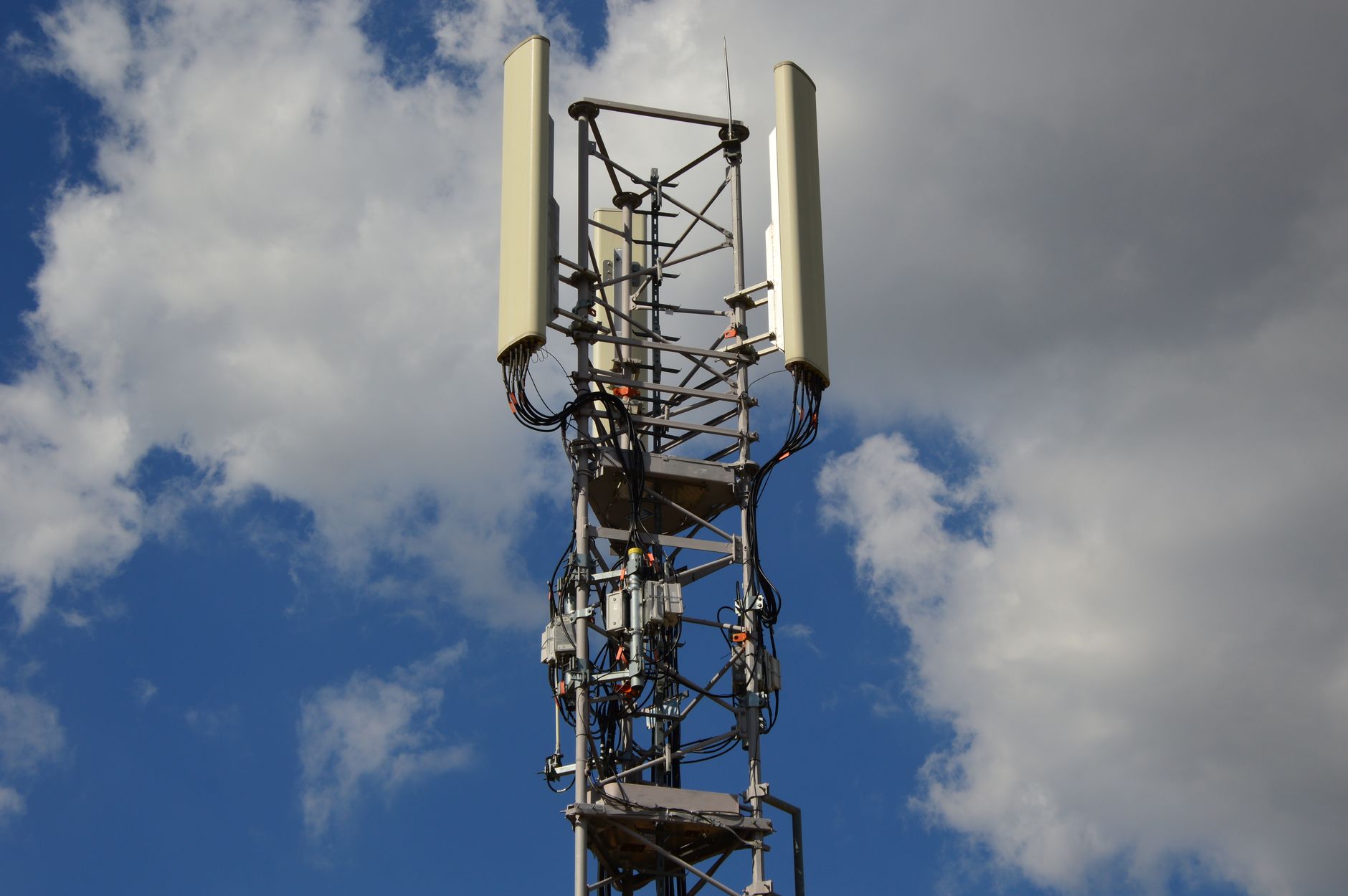
SpaceX's Starlink Mobile is making a significant move into the terrestrial wireless market, partnering with Qualcomm Technologies to build a nationwide 5G network across the United States. This multi-year agreement will see Qualcomm supply critical infrastructure for tens of thousands of cell sites, beginning deployment in 2027. The ambitious project aims to create a hybrid network that seamlessly combines Starlink's satellite capabilities with ground-based 5G, promising superior coverage and capacity. This strategic alliance signals Starlink's intention to become a major U.S. mobile carrier, setting the stage for a dramatic shake-up in the industry currently dominated by giants like AT&T and Verizon.
SpaceX's Starlink Mobile and Qualcomm Technologies have joined forces in a landmark deal to construct a nationwide terrestrial 5G network across the United States. Qualcomm, known for its cutting-edge wireless technology, will provide the essential radios and baseband units for this massive undertaking. This partnership, which Qualcomm describes as its largest 5G agreement to date, will equip tens of thousands of cell sites, with deployment slated to begin in 2027. It's a clear signal of Starlink's serious ambition to reshape the mobile landscape.
This new ground network is designed to work hand-in-hand with Starlink's existing satellite-based direct-to-cell service. Imagine a future where satellites ensure you have coverage even in remote outdoor 'dead zones,' while ground-based towers boost capacity in bustling cities and high-demand areas. Starlink has already secured significant radio frequencies, including low-band airwaves perfect for better indoor signal and mid-band for faster speeds, ensuring a truly comprehensive and robust service for users everywhere.
The bigger picture is SpaceX's bold move to evolve beyond being just a satellite internet provider. They aim to become a full-fledged U.S. mobile carrier, directly challenging established giants like AT&T, Verizon, and T-Mobile. Starlink executives envision offering a superior mobile experience, especially during emergencies, thanks to a seamless switch between satellite and ground networks. This strategy also highlights SpaceX's commitment to controlling all aspects of its services, from satellites in space to the equipment on the ground.
Looking ahead, Qualcomm's involvement also paves the way for future innovations, including potential advancements towards energy-efficient 6G technologies. While significant challenges remain, such as securing further regulatory approvals and managing the substantial costs of building out such a vast network, this partnership marks a concrete step towards a more connected and potentially more competitive mobile future. It truly tests whether a company born in space can redefine how we connect on Earth.