Starship Blasts Off: What’s Next for SpaceX’s Ambitious Rocket?

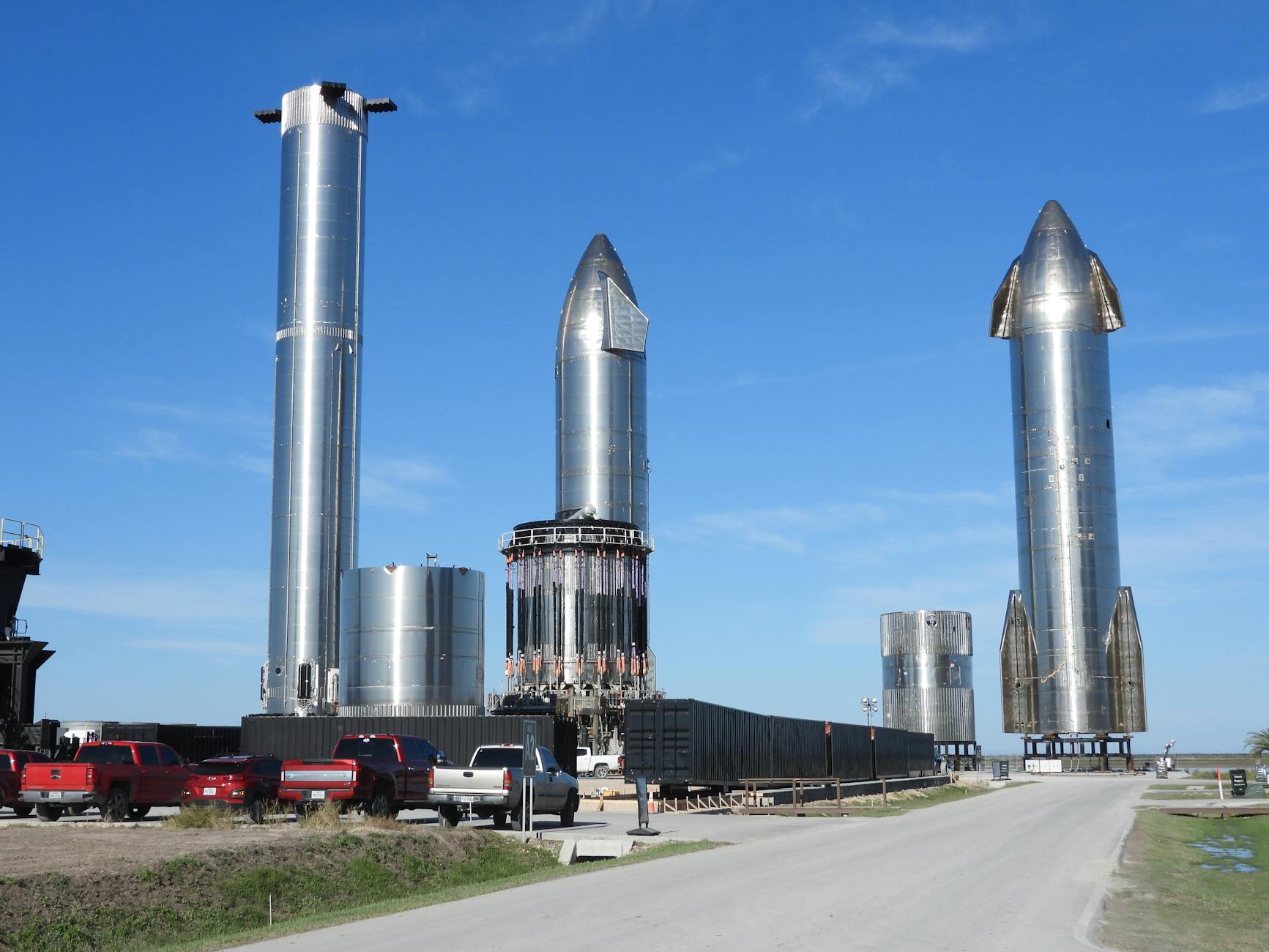
SpaceX is preparing for Starship Flight 13, a crucial test mission scheduled for July 16 from Starbase in South Texas. This flight, featuring the V3 Starship and Super Heavy vehicles, aims to build on previous tests with significant improvements and new objectives. Central to its mission is the deployment of next-generation Starlink V3 satellites, designed to expand network capacity. The flight exemplifies SpaceX's rapid development approach, where lessons from each test are quickly integrated to advance rocket reusability and satellite technology.
SpaceX’s Starship Flight 13 is poised to launch, marking a significant step in the development of its fully reusable rocket system. This mission, the second involving the V3 Starship and Super Heavy vehicles, continues SpaceX's philosophy of "fail fast, learn faster" by rapidly implementing changes based on prior test data. The flight includes ambitious goals, such as the debut deployment of advanced Starlink V3 satellites, aiming to boost global internet connectivity.
The improvements for Flight 13 directly address challenges encountered during Flight 12, which took place earlier in 2026. Issues like booster course deviations during stage separation, problems with engine re-lights for the boostback burn, and an engine-out event on the Starship upper stage have all been carefully studied. These past hiccups, though not preventing overall mission success, provided critical data for refining the system for better performance and safety.
In response, SpaceX engineers have rolled out a comprehensive series of hardware and software upgrades. These include a more robust stage separation sequence for the booster and enhanced reliability for Raptor engine re-lights. On the Starship side, changes to the propulsion system aim to prevent future engine-out scenarios. Significant work has also gone into the heat shield, with new tile designs, load-sensing tiles for real-time stress measurements, and specialized cameras on six Starlink V3 satellites to monitor the shield's condition during atmospheric entry. These developments are essential for Starship’s eventual goal of routine reusability.
The V3 Starlink satellites themselves represent a leap forward. They feature laser links, deployable solar arrays, and improved antennas, all designed to expand the network's capacity and speed for users worldwide. This integrated mission serves a dual purpose: testing both the Starship vehicle's reliability and the new satellite technology in a single operation. Such iterative progress is key to achieving ambitious goals like lunar missions and comprehensive global Starlink coverage, highlighting the importance of continuous innovation in space technology.