Starship Flight 13 Delayed Again: Key Vision Problem Holds Back Launch

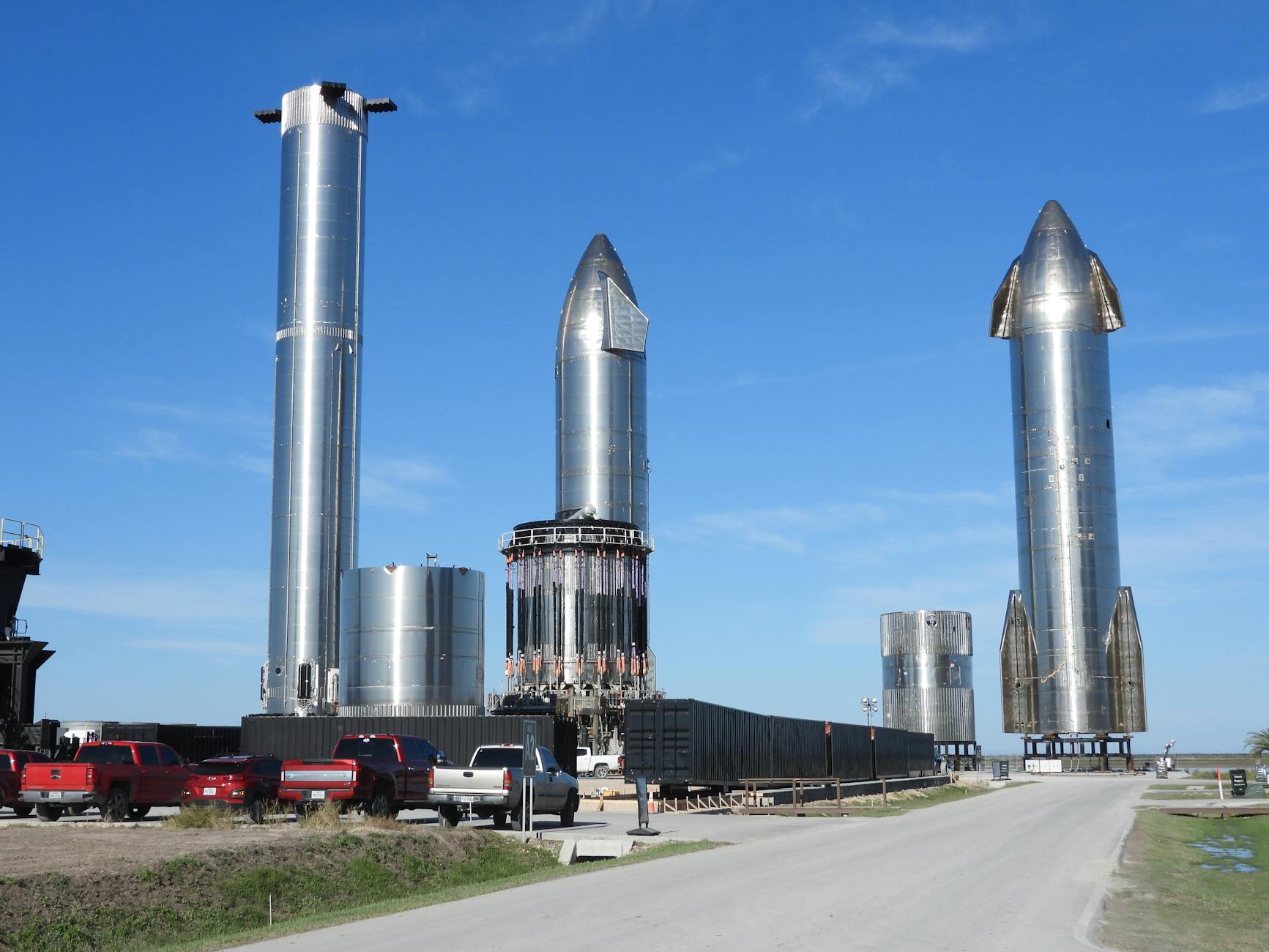
SpaceX has once again delayed its Starship Flight 13 launch, pushing it to Friday, July 24, due to weather conditions from Tropical Storm Bertha. The delay is crucial because the mission requires clear ground imagery to monitor Starship’s heat shield during its ascent through the atmosphere. This marks the second delay for Flight 13; an earlier attempt on July 16 was aborted due to engine ignition issues. The flight is significant, carrying 20 production Starlink V3 satellites and aiming to gather vital data on the heat shield, which is essential for future orbital flights.
SpaceX's Starship Flight 13, a critical test for the next generation of space travel, faced another delay, now targeting Friday, July 24. The latest hold-up isn't about the rocket itself, but rather the weather. Tropical Storm Bertha's cloud cover in South Texas would prevent clear ground views of Starship's heat shield as it powers through the atmosphere. This visual data is incredibly important for engineers to understand how the shield performs, with SpaceX having confirmed the delay on X.
This isn't the first hiccup for Flight 13. Just weeks ago, an initial launch attempt on July 16 was automatically stopped when several of the booster’s 33 engines failed to ignite. SpaceX engineers quickly replaced the faulty engines and prepared the massive vehicle for its next try.
Flight 13 is a significant step forward, using the upgraded V3 versions of Starship and its Super Heavy booster. It's also the first time operational Starlink V3 satellites are being flown, rather than just test weights. To ensure they get all the necessary data, six of these satellites are equipped with cameras to watch the heat shield from space, offering a backup to the ground imagery the weather is currently blocking. The mission aims to gather crucial information, pushing toward more advanced space operations. If this flight goes as planned, it could mark the final suborbital test, paving the way for Starship's first orbital journey.