Starship's Lunar Path: The Launch Number Discrepancy [Analysis]

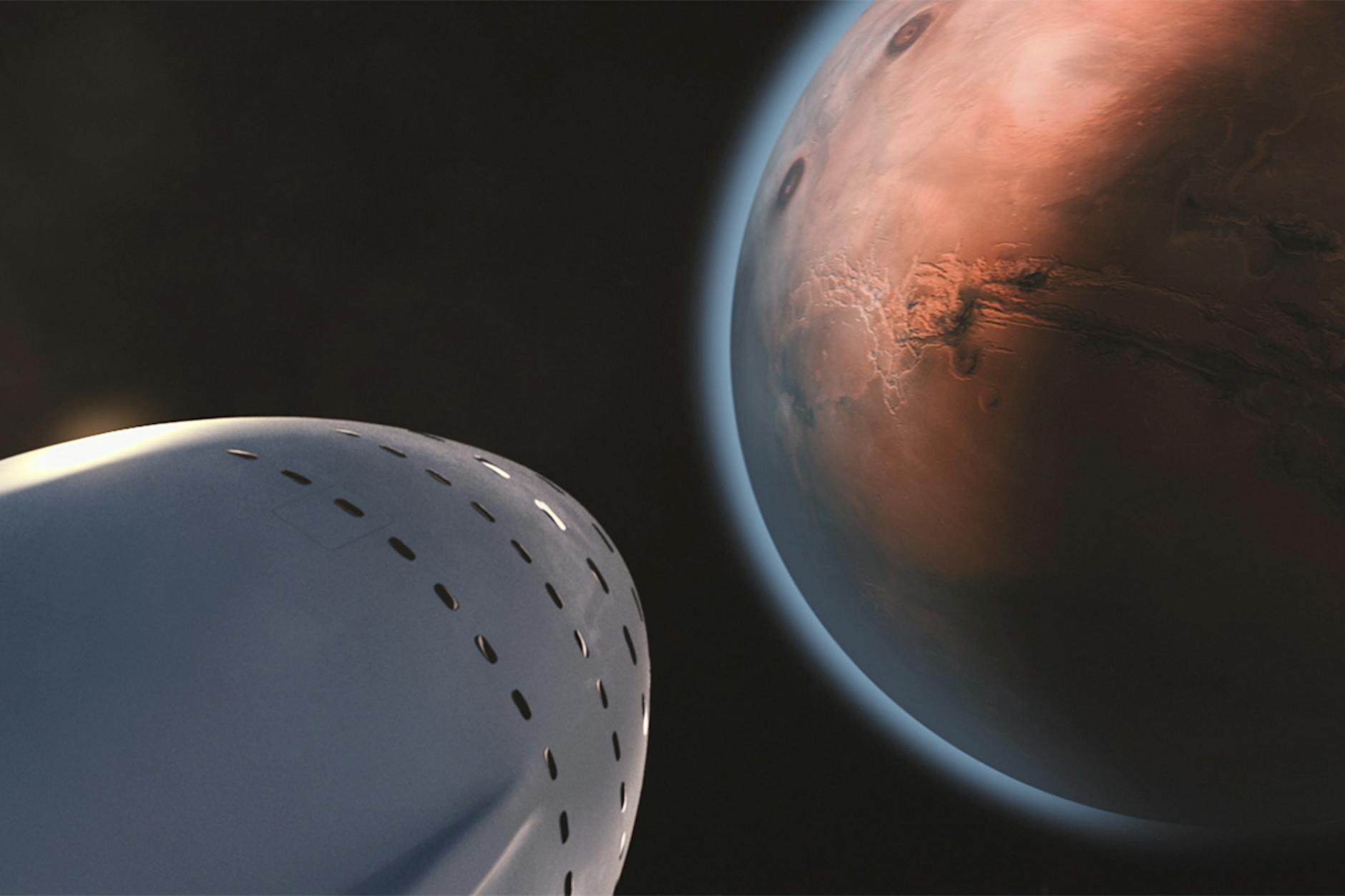
A disagreement has emerged between Elon Musk and NASA’s Aerospace Safety Advisory Panel regarding the number of Starship launches required for the Artemis IV Moon mission in 2028. The panel estimates around 22 flights are needed to refuel the lunar lander in orbit, a figure Musk contends is "way too high," suggesting the real number will be closer to 6 to 8 launches. This difference in estimates highlights significant logistical challenges and potential risks for humanity's next giant leap to the Moon.
The core of the dispute lies in the complex process of refueling Starship in Earth orbit. Because the massive Starship vehicle uses most of its propellant just to reach orbit, it cannot travel to the Moon without a crucial pit stop. SpaceX plans to establish a "gas station in space," where a Starship depot is launched, followed by numerous tanker Starships that transfer their fuel to it. Once the depot is full, the lunar lander version of Starship docks, refuels, and then heads for the Moon.
Each tanker trip represents a full rocket launch, making the total count a critical factor. More launches translate to increased time, higher costs, and a greater number of opportunities for issues to arise before astronauts can even begin their journey to the Moon. For example, even with a rapid launch cadence, filling a depot based on the panel's estimate could take several months.
The varying estimates likely stem from different assumptions about Starship's capabilities. NASA's panel appears to base its calculations on Starship's current performance, while Musk's more optimistic figures anticipate a more powerful, upgraded V3 Starship. Factors like how much propellant each tanker can carry and the amount lost due to slow boil-off in the extreme cold of space, or during fuel transfers, also play a role in these projections. As NASA astronaut Charlie Precourt noted, the Artemis IV mission will involve "a large number of firsts," underscoring the innovative yet challenging nature of this lunar endeavor.