State Farm's Secret Strategy to Cut Storm Damage Payouts?

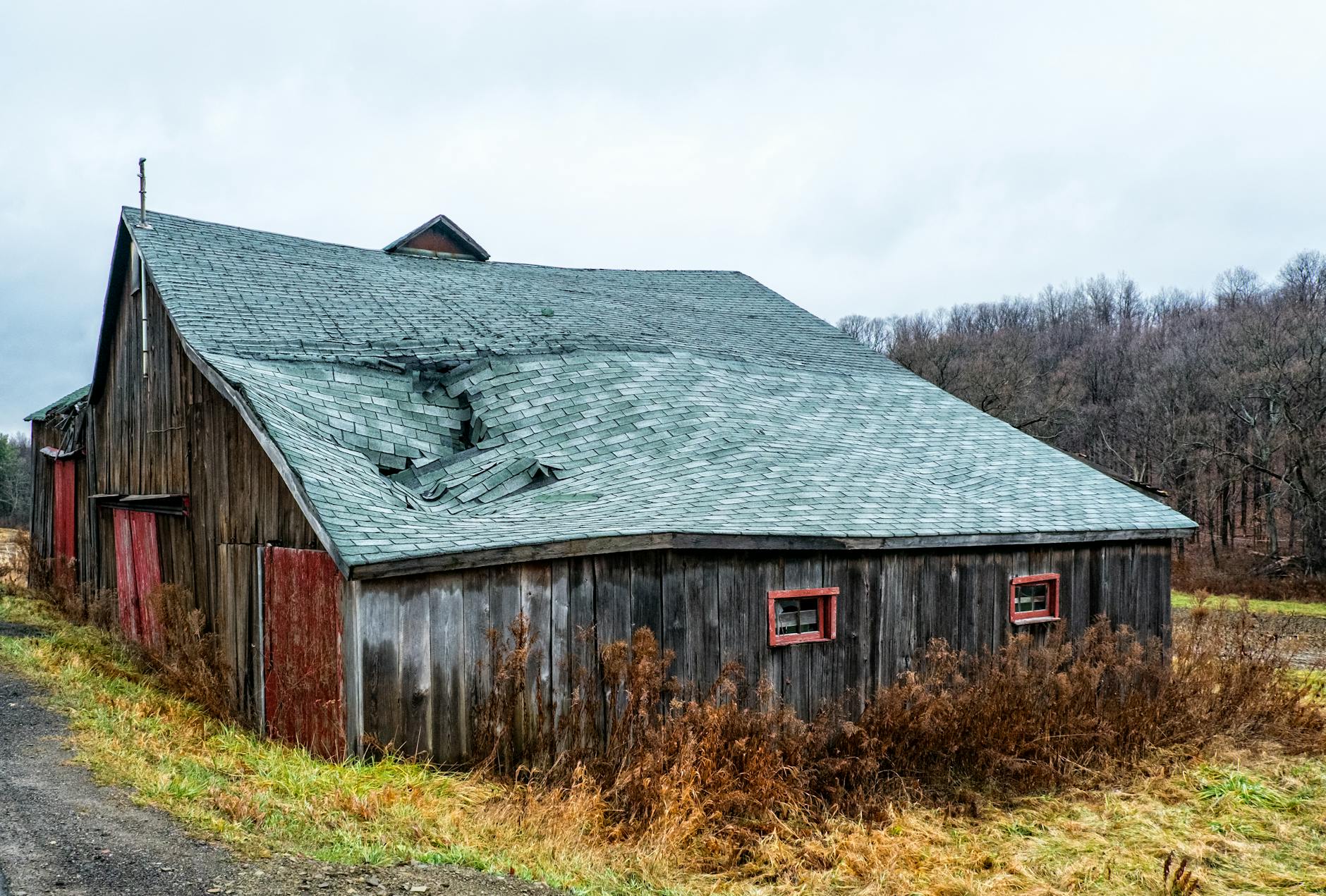
State Farm, the country's largest home insurer, faces hundreds of lawsuits alleging a secret scheme to deny or minimize payouts for hail and wind damage. As extreme weather events like hailstorms become more intense and frequent due to climate change, homeowners across the U.S. are struggling to get claims approved, leaving them financially vulnerable. These legal battles highlight a growing crisis where insurers face rising costs, and policyholders feel left in the lurch. The situation underscores the urgent need for transparency and reliable support as climate impacts escalate, pushing both families and communities towards profound financial risk.
Homeowners like Tim Willard in Oklahoma experienced devastating hailstorms only to have their claims denied by State Farm, despite initial assessments recommending roof replacement. Willard, who was later dropped by State Farm, had to pay for a new roof himself before finding new coverage. His story is not unique; hundreds of lawsuits nationwide echo allegations that State Farm is systematically refusing to pay what it owes for storm damage.
The core of the accusations suggests State Farm uses internal definitions and exclusions for hail damage not explicitly stated in customer policies. For example, some claims were denied because roofs didn't show "functional damage," a term absent from policy documents. Former employees have testified about being pressured to deny valid claims, raising concerns within the company itself about potential lawsuits.
State Farm denies these allegations, stating it pays what it owes based on policy terms and facts, and works to protect customers from "predatory contractors." The company asserts that its initiatives aim to improve accuracy in claims handling. However, the Oklahoma Attorney General has joined one lawsuit, alleging a "secret and fraudulent" withholding of information regarding coverage restrictions.
This intensifying scrutiny comes at a critical time when U.S. homeowners face increasing threats from climate change. Rising temperatures are fueling more intense storms, floods, and wildfires, causing significant property damage and contributing to soaring insurance costs. Many homeowners are finding insurance less affordable or even unavailable, leading to millions of uninsured houses and exposing families to immense financial risks during disasters.
While insurers point to "legal system abuse" and the high cost of hail damage – which contributed to $51 billion in insured losses last year – plaintiffs' attorneys argue they are a necessary check on an industry that often fails to self-regulate. Research indicates that costly hailstorms are becoming more likely across the central and eastern U.S., with the Great Plains expected to see more frequent hail as the planet warms. This highlights the growing disconnect between escalating climate risks and the current mechanisms designed to protect homeowners.
Despite State Farm settling some past cases, including a $100 million settlement for Hurricane Katrina claims, plaintiffs' lawyers argue the company's practices persist. The Oklahoma Attorney General believes larger penalties are needed to deter future behavior and ensure accountability from the insurance industry.