Steel Emissions Challenge Met: A Pilot's Big Win

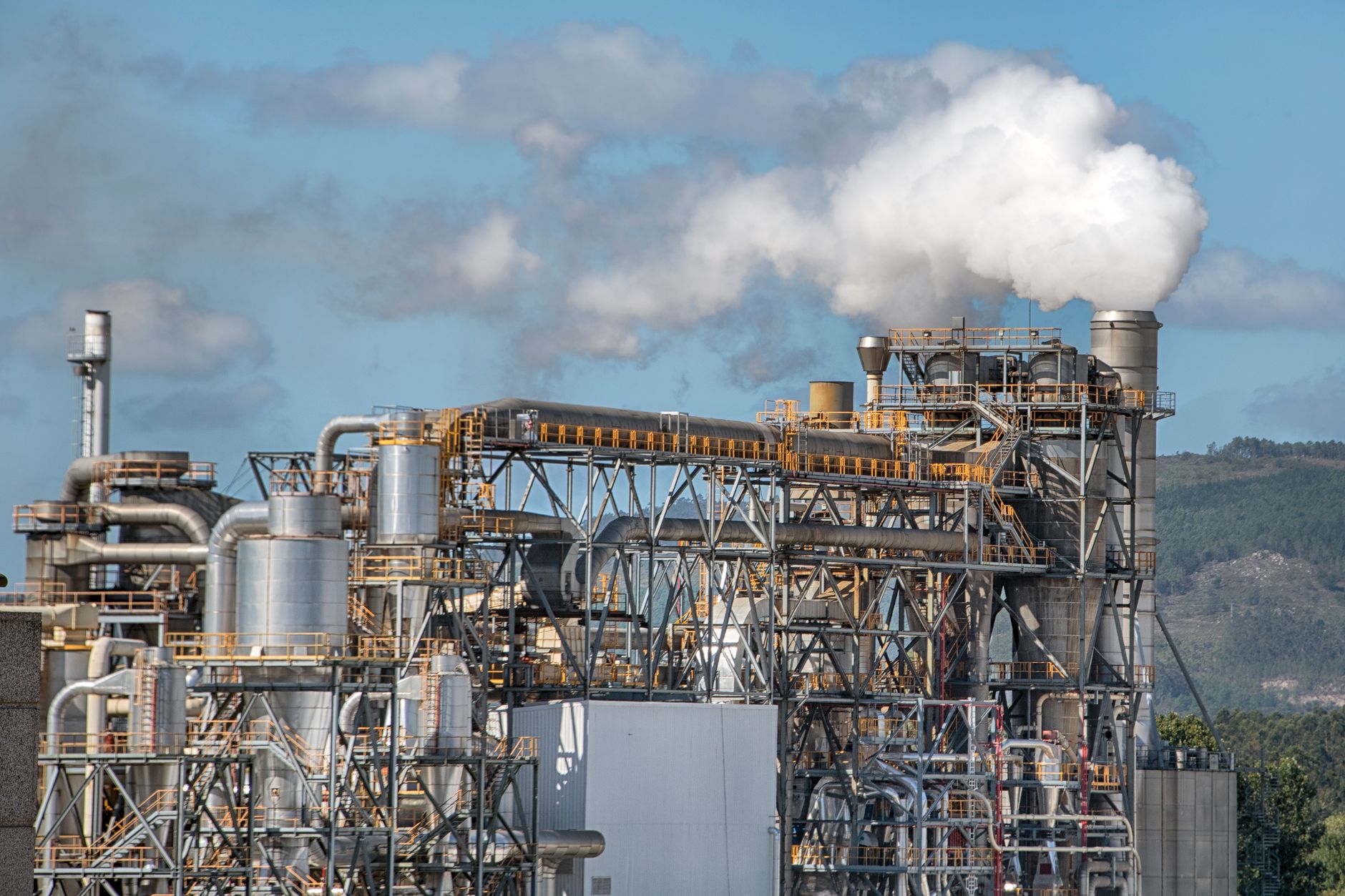
A significant step towards a greener future for heavy industry has been achieved. ArcelorMittal, Mitsubishi Heavy Industries (MHI), BHP, and Mitsubishi Development successfully completed the first phase of a carbon capture trial at a steel plant in Gent, Belgium. This pilot project demonstrated the ability to remove over 90% of CO₂ from the treated gas produced during steelmaking. While this is a projection, it suggests that full-scale application could reduce the plant’s CO₂ emissions intensity by up to 24%, offering vital hope for decarbonizing one of the world's most emission-intensive sectors.
The steel industry is a massive contributor to global CO₂ emissions, accounting for roughly 7% of energy-related CO₂ from production. Tackling these emissions is crucial for addressing global warming, especially since steel is essential for modern life and for building clean energy infrastructure like wind turbines.
At the Gent plant, the initial trial focused on gas from the blast furnace, which contains various impurities that make carbon capture difficult. Using MHI's Advanced KM CDR Process, a system that separates CO₂ using a special chemical solvent, the pilot ran for over 4,500 hours under real operating conditions. The results were impressive: more than 90% of the CO₂ in the treated gas stream was captured.
It’s important to understand that this 90% capture rate was from the treated gas in the pilot unit, not the entire plant's emissions. However, based on these findings, partners estimate that applying this technology full-scale to the blast furnace gas could reduce the plant’s overall CO₂ emissions intensity by up to 24%. This figure represents the emissions per unit of steel produced, from raw materials to the finished product.
The project is now moving into its next phase, which will test the technology on a different gas stream from the hot strip mill. This will assess how the system performs with varying gas compositions and explore capturing CO₂ after the fuel has been burned. The broader goal is to determine if carbon capture across multiple parts of a steel plant can move traditional blast furnace steelmaking closer to near-zero emissions. These efforts underscore the urgent need for innovative solutions to combat climate change, showing that even heavy industries can make meaningful progress toward sustainability.
The Gent trial marks a promising milestone, providing valuable data for future engineering and deployment studies. However, the path to large-scale commercial application still requires further testing to confirm economic viability, energy consumption, and how the captured CO₂ will be used or stored. This collaboration represents a collective push for environmental action in a sector vital to our economy and planet.