Steel's secret weapon against climate change unveiled

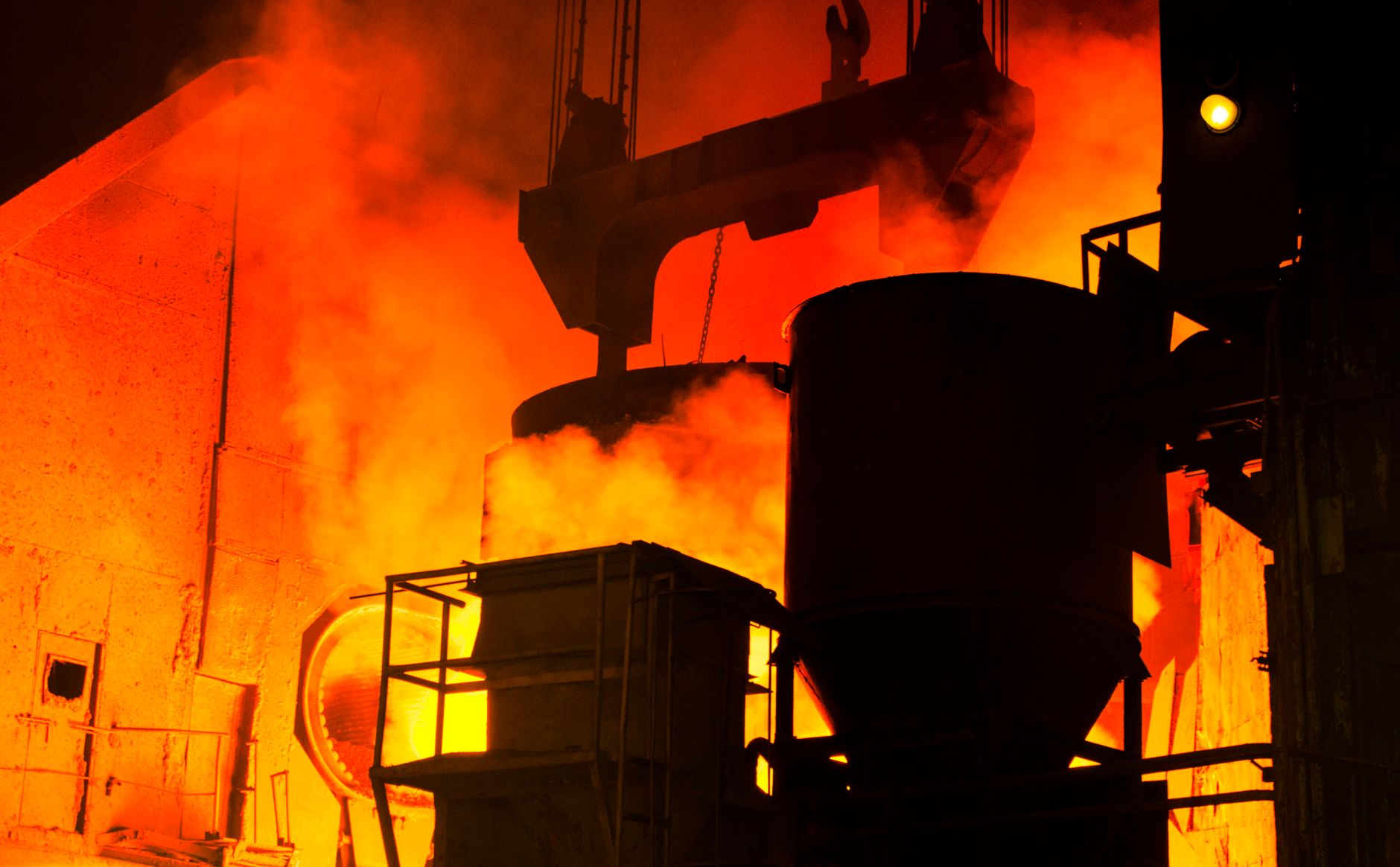
Rio Tinto and China's Shougang Group have launched a groundbreaking industrial carbon capture trial at a steel plant in China. This facility aims to capture up to 10,000 tonnes of CO2 annually directly from existing blast furnaces, a challenging but crucial step for heavy industry. Steelmaking accounts for a significant 7-9% of global CO2 emissions, making such innovations vital for urgent climate action. This partnership underscores the importance of developing sustainable solutions to reduce the environmental impact of essential industries.
In a significant move toward a greener industrial future, mining giant Rio Tinto and Chinese steelmaker Shougang Group have commissioned a new facility designed to capture carbon from steel production. Located at Shougang’s Jingtang base in China, this trial unit can process 3,000 cubic meters of blast furnace gas every hour, aiming to capture 10,000 tonnes of carbon dioxide each year [Rio Tinto].
This project tackles one of the toughest challenges in reducing emissions: traditional blast furnaces, which are still widely used. Instead of completely replacing these existing facilities, the technology works by capturing CO2 from the gases produced during ironmaking, allowing current operations to continue with a much smaller carbon footprint. This approach is critical, as steelmaking contributes a massive 7% to 9% of global CO2 emissions, according to a 2025 review [Nature Reviews Clean Technology].
China, as the world's largest steel producer, plays a central role in these decarbonization efforts. In 2025, China produced over half of the world's crude steel, about 960.8 million tonnes [World Steel Association]. Its steel industry alone accounts for roughly 15% of the country's total CO2 emissions. Even small reductions in emissions intensity here can have a huge global impact.
Shougang Group, ranked 12th globally for crude steel production in 2025, has already been exploring ways to reduce its carbon footprint [World Steel Association]. Their existing efforts include increasing the use of pellet ore and scrap metal, both of which help lower emissions from traditional steelmaking processes.
Looking ahead, this partnership aims not only to capture CO2 but also to find ways to reuse it. Plans are in place to explore converting the captured CO2 into syngas, which could then be recycled back into the steelmaking process. This creates a circular system that lessens the need for new carbon inputs, showcasing a clever way to make steel production more sustainable.
The broader carbon capture market is growing, with estimates suggesting it will nearly double by 2031 [Mordor Intelligence]. This growth reflects the increasing need for industrial carbon management, especially in sectors like steel, cement, and chemicals, where electrification alone isn't always enough to eliminate emissions. While capturing 10,000 tonnes of CO2 is a modest start for a large steel mill, this trial provides invaluable insights into the efficiency, energy use, and costs of scaling up this essential climate technology. It’s a vital step towards ensuring our planet's health by making heavy industry more sustainable.