Stop Plug-In Pretend: 5 Reasons Fleets Must Go Full EV

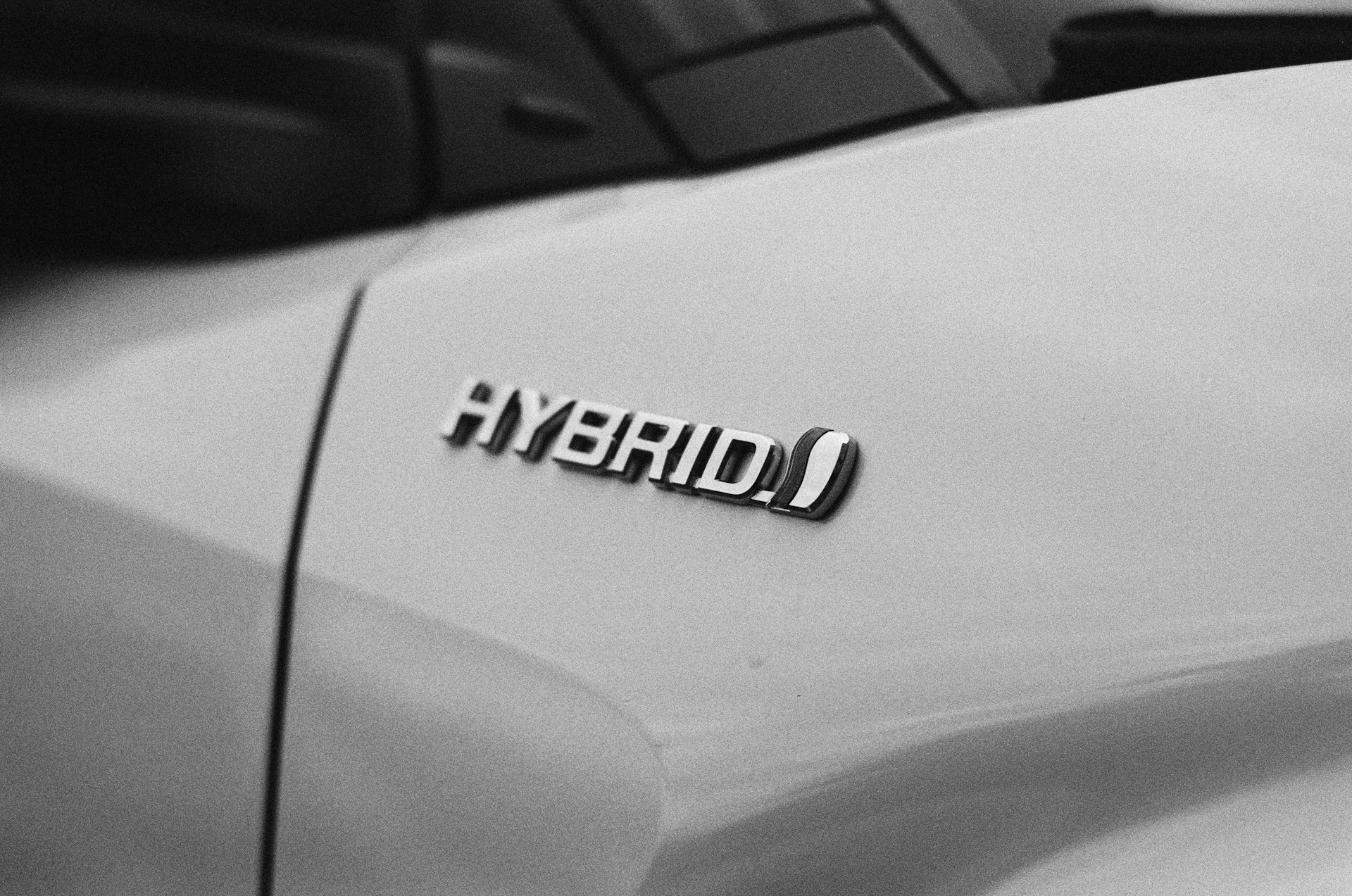
A growing chorus in the fleet world warns that plug-in hybrids aren’t a bridge to cleaner transport but a detour. Critics argue that when drivers don’t actually plug them in, the extra battery turns into dead weight, pushing fuel use and emissions up instead of down. The problem is especially glaring in highly marketed dual-cab utes that look tough but arrive without work-ready cab-chassis options. The alternative, they say, is to stop hedging and accelerate to full battery-electric fleets—paired with proper home, depot and workplace charging, data-driven oversight, and staff training. Otherwise, companies risk spending scarce budgets on hardware that flatters sustainability dashboards while delaying real progress. In a new analysis, PHEVs are cast as a “Trojan horse” that lets fossil dependence sneak back into fleets under a green badge.
The piece argues that plug-in hybrids were sold as a safe compromise—some electric miles, no range anxiety—but only deliver if drivers reliably charge. When that doesn’t happen, the math flips: the vehicle carries a heavy battery but burns petrol like a conventional car, undoing the point of electrification. It’s a comforting story for boardrooms nervous about infrastructure, yet it postpones the work that actually cuts emissions and costs. (Source analysis published September 22, 2025.)
The criticism is sharpest where hype runs hottest: the wave of incoming dual-cab utes. Marketed as fleet-ready, many land more like lifestyle models than tools, lacking fit-for-purpose body styles. That encourages “badge engineering” decisions—choosing a hybrid label instead of asking whether a passenger EV or SUV could do the job better. The result is a procurement win on paper and a climate loss on the road.
The proposed fix is not complicated, just harder than ticking the “hybrid” box. Set clear targets, measure actual fuel and energy use, and design charging where vehicles live and work. Teach teams to manage energy like a resource, not just stop for fuel. Plan trips with the same rigor as safety policies. Those steps make battery-electric vehicles the practical option—zero tailpipe emissions, simpler servicing, and better compliance as standards tighten.
The blunt takeaway: every uncharged PHEV kilometer is a missed opportunity. Money spent on halfway solutions is money not invested in the systems that make full EVs work at scale. For fleets serious about cutting emissions—and being honest with stakeholders—the path forward is to stop pretending the middle ground is progress and commit to the end state.