Swiss Glacier Reveals Decades-Old Secret, Sparking Questions

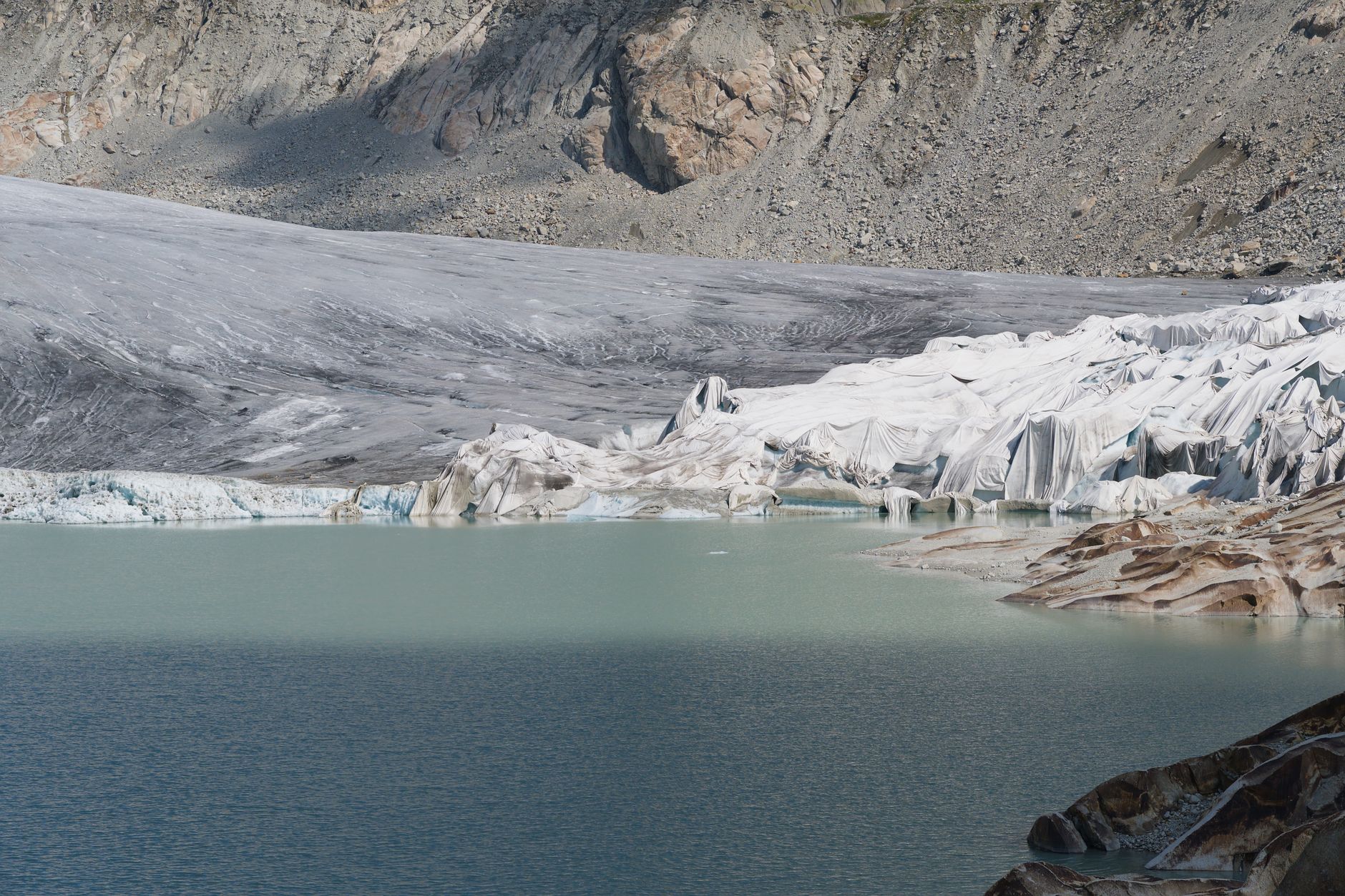
The bodies of two Belgian mountaineers, missing for over three decades in the Swiss Alps, have tragically been found as the region's glaciers continue to recede. This somber discovery underscores a growing trend where melting ice, driven by global warming, reveals long-lost individuals. It serves as a stark reminder of the profound and often heartbreaking impacts of our changing climate on even the most remote landscapes, urging us to confront the urgency of environmental action.
Swiss authorities recently confirmed the identities of two Belgian hikers, aged 39 and 41, who vanished near the Weissmies mountain in 1992. Their remains were tragically discovered by a hiker last month on the Trift glacier, south of Lucerne, as the ice rapidly melted away. DNA tests provided closure for families after more than 30 years.
This isn't an isolated incident. Police in Valais note that receding glaciers are increasingly revealing the remains of people missing for decades. For instance, three years ago, a German mountaineer missing since 1986 was also identified after their body emerged from a glacier near the Matterhorn.
These heartbreaking discoveries serve as a powerful, tangible consequence of our warming planet. Scientists widely attribute the accelerating rate of glacier melt in Switzerland and worldwide to global warming. It’s a sobering testament to how profoundly climate change is reshaping our world, stressing the critical importance of urgent global action to protect our fragile environment and mitigate further impacts.