Tech Giant Bets Big on US Recycled Plastic: What It Means

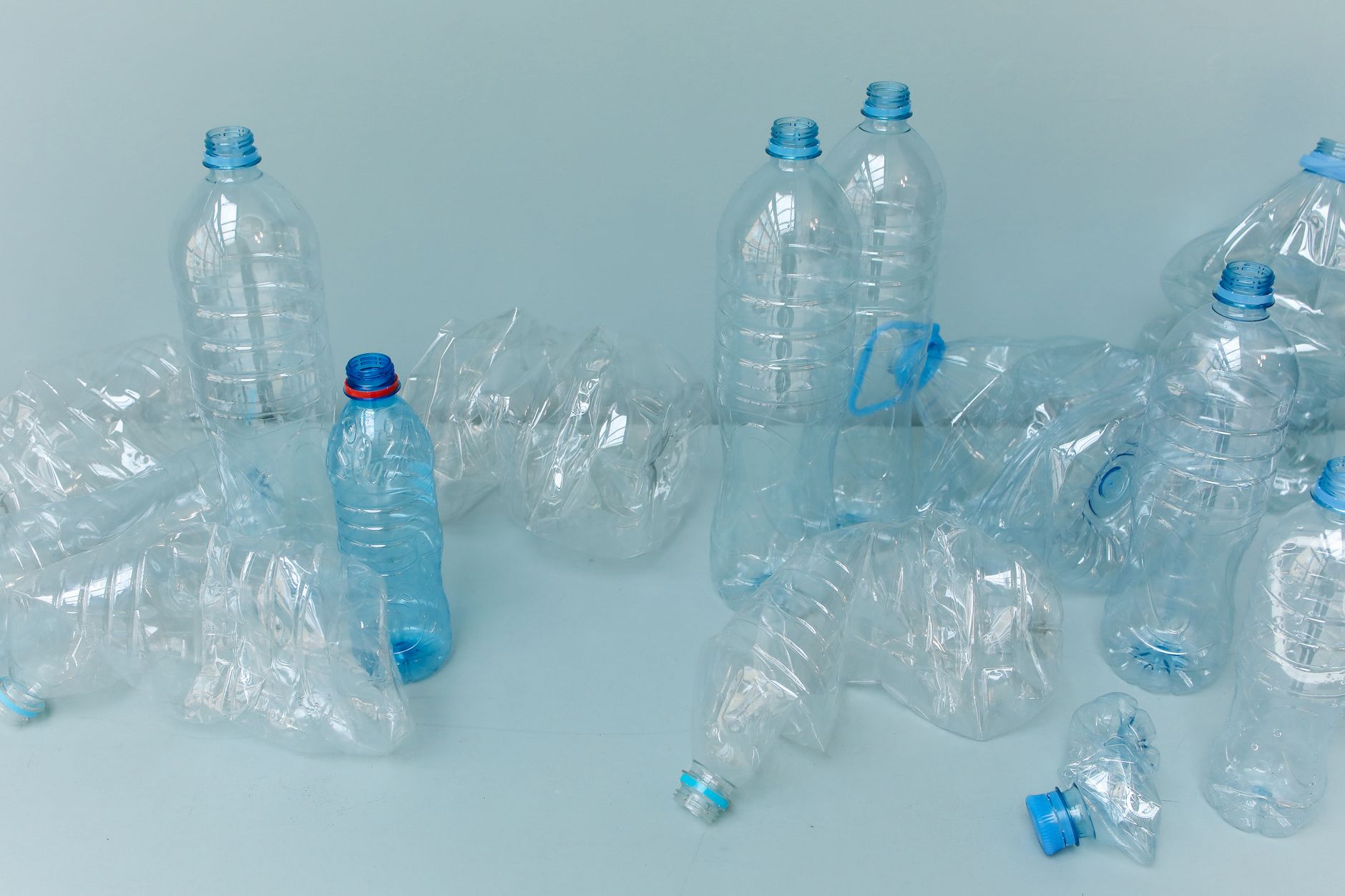
Tech giant Meta is making a significant move to tackle its supply chain emissions and the global plastic waste crisis by partnering with U.S. startup MacroCycle Technologies. Meta has committed to purchasing environmental attribute certificates from MacroCycle's first commercial plant, which will produce 5,000 tonnes of high-quality recycled PET plastic annually. This crucial agreement provides MacroCycle with the long-term demand needed to build its facility and scale its innovative recycling process, turning difficult plastic waste into valuable material. With global plastic production soaring and recycling rates struggling, this collaboration is a vital step toward creating a more circular economy and easing the environmental burden of plastic pollution.
The world is drowning in plastic, and our ability to recycle simply isn't keeping up. Projections show that global plastic production could surge to 736 million tonnes by 2040, yet recycled plastics might only make up about 6% of that total, according to the OECD. This massive gap puts immense pressure on our environment and highlights the urgent need for better recycling solutions. Even for common plastics like PET, the U.S. recycling rate recently dipped to 30.2% in 2024, as reported by NAPCOR, underscoring a critical need for more domestic processing.
This is where innovative companies like MacroCycle Technologies come in. They're pioneering a unique recycling method called SolvoGenesis™ that can transform hard-to-recycle PET plastic waste – the kind often rejected by traditional systems – into high-quality, virgin-like material. This means less new plastic made from fossil fuels and a significant reduction in waste heading to landfills or incinerators, helping to ease the environmental strain.
Meta's decision to support MacroCycle is a smart move for the planet and for their business goals. With nearly all of its greenhouse gas emissions stemming from its supply chain, Meta is actively seeking out lower-carbon materials, as detailed in their sustainability resources. Their commitment to purchasing recycled plastic from MacroCycle helps secure a market for this cleaner material, encouraging the growth of sustainable manufacturing. It's a strategy Meta has used before for materials like cement and steel, aiming to kickstart new green markets.
The partnership not only provides crucial financial backing for MacroCycle's first plant, which will produce 5,000 tonnes of recycled PET annually, but it also addresses a growing need for domestic recycling. Currently, the U.S. imports a significant amount of both virgin and recycled PET, while local recycling capacity struggles. Investing in U.S.-based recycling means more jobs, less reliance on imports, and a stronger circular economy right here at home.
Ultimately, Meta's collaboration with MacroCycle demonstrates how corporate leadership can drive real progress in environmental action. By creating demand for innovative, sustainable solutions, companies can play a powerful role in closing the recycling gap and moving us closer to a future where waste is minimized and resources are conserved.