Tesla FSD Learns Your Habits: What Changes Are Coming?

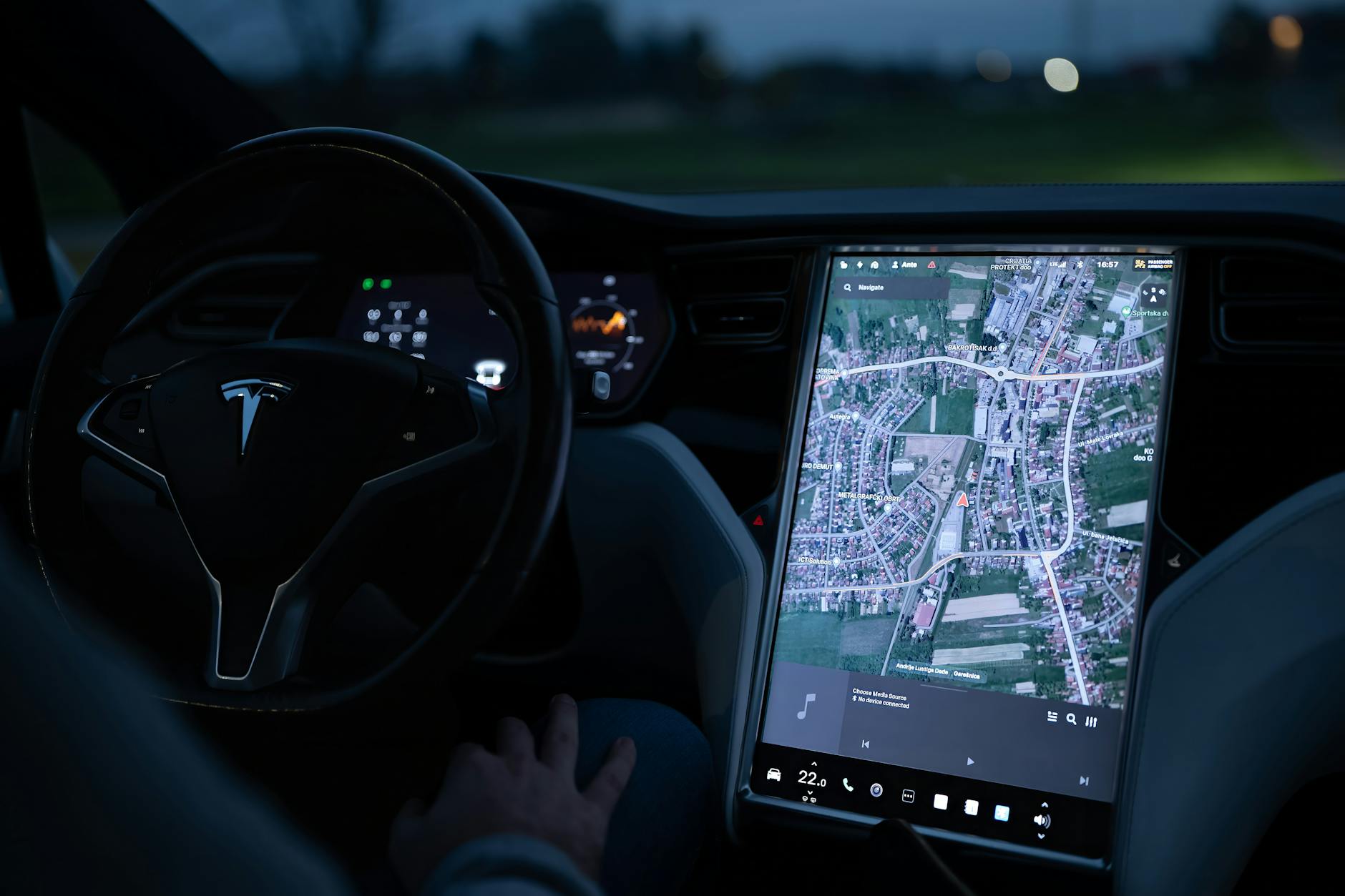
Tesla is rolling out a significant update to its Full Self-Driving (FSD) system, designed to drastically reduce driver interventions. The new FSD will learn and remember individual driver preferences, making the autonomous experience more personalized and seamless. This advancement aims to address common annoyances, bringing Tesla's electric vehicles closer to truly unsupervised driving. By fine-tuning the FSD experience, Tesla hopes to make electric vehicle travel even more appealing and efficient, supporting the broader shift towards sustainable transportation.
Tesla's Full Self-Driving technology is set to become much smarter by learning your specific driving habits. This means your Tesla will start remembering how you prefer to navigate, aiming to make the driving experience smoother and require fewer moments where you need to take control.
One key area of improvement targets highway driving, particularly how FSD handles special lanes like carpool or express lanes. Currently, drivers can set preferences for these, but the car doesn't always stick to them. This update could also help avoid situations like unintentionally cruising in the left passing lane, which is illegal in many places.
The biggest changes, however, are expected in parking. Elon Musk has highlighted parking as the most frequent reason drivers need to intervene. The upcoming FSD update will allow your car to learn your preferences for *how* and *where* you park—whether you prefer to pull in or back into a spot, or even if it should correctly identify and enter your driveway. This enhanced ability for electric vehicles to understand and adapt to personal preferences is a crucial step towards making autonomous driving truly reliable and enjoyable, bolstering the benefits of clean energy transportation.
These enhancements are a major leap towards Tesla's goal of achieving full autonomy. By eliminating interventions related to personal preferences, the company is tackling a significant hurdle, moving ever closer to a future where critical safety takeovers are the *only* reason a driver might need to step in. This progress not only improves the user experience but also underscores the continuous innovation in electric vehicle technology, promoting a more sustainable and efficient mode of transport.