Tesla FSD tackles 150-mile journey; one common task still stumps it.

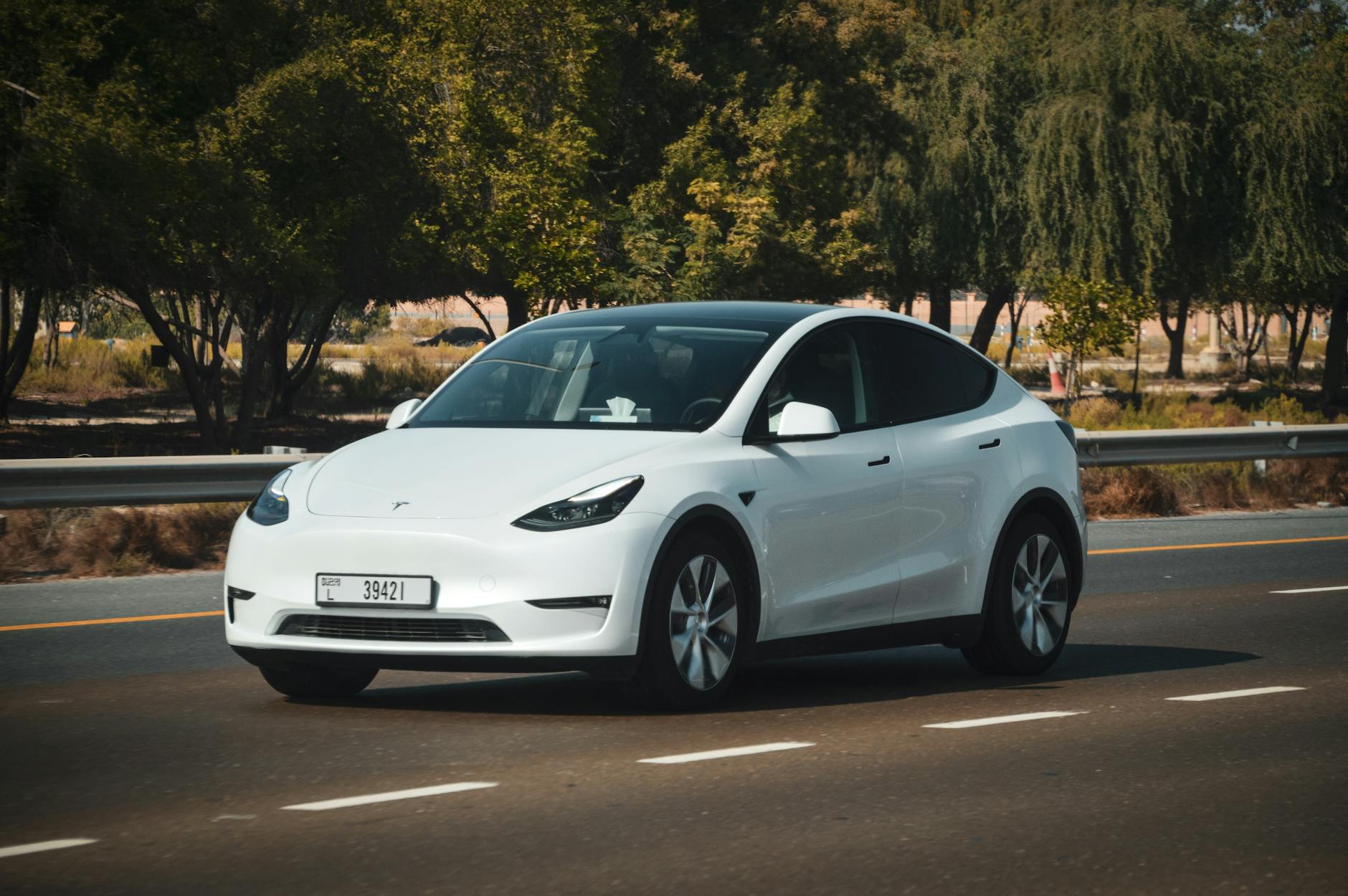
A recent extensive test put Tesla's Full Self-Driving (Supervised) v14.3.3 to the ultimate challenge: a 150-mile journey across the Pennsylvania Turnpike. The system largely impressed, making the typically tiring drive remarkably stress-free for the driver. While it demonstrated remarkable capability on the open road, handling complex situations with surprising ease, a few common maneuvers proved more difficult. This real-world evaluation offers valuable insights into the progress and remaining hurdles for advanced electric vehicle autonomy, highlighting its potential to transform long-distance travel and reduce the human toll of driving.
Taking a Tesla Model Y on a 150-mile trip with Full Self-Driving (FSD) v14.3.3 proved to be an eye-opening experience. The driver, usually exhausted after this particular five-hour round trip, found the journey far more enjoyable and less fatiguing thanks to the system’s assistance. This shift highlights how advancements in electrification, paired with smart driving features, are changing how we interact with our vehicles, making travel smoother and more efficient.
FSD showed impressive intelligence on the highway. It skillfully recognized lane-ending arrows, adjusting its speed and position to safely merge. Similarly, when faced with a large tractor-trailer attempting to change lanes nearby, the Tesla subtly shifted towards the shoulder to create safe space, then completed its pass. The system also demonstrated understanding of road rules by not attempting lane changes within tunnels, a common traffic and safety concern. Navigating toll plazas, which now operate on a “Toll by Plate” system, was handled flawlessly, adding to the stress-free experience.
However, the journey wasn't entirely without its hitches. The FSD system occasionally struggled with parking, requiring the driver to take manual control in one instance at a Supercharger. More perplexing was its behavior upon arriving at the destination, where it confusingly circled the parking lot multiple times before the driver intervened. These instances underscore that while self-driving technology is making incredible strides on highways, everyday parking scenarios still present a significant challenge for autonomous systems to master. Continued development is essential for truly seamless and sustainable electric mobility.