Tesla FSD Update 14.3.6: What's Changed for Drivers?

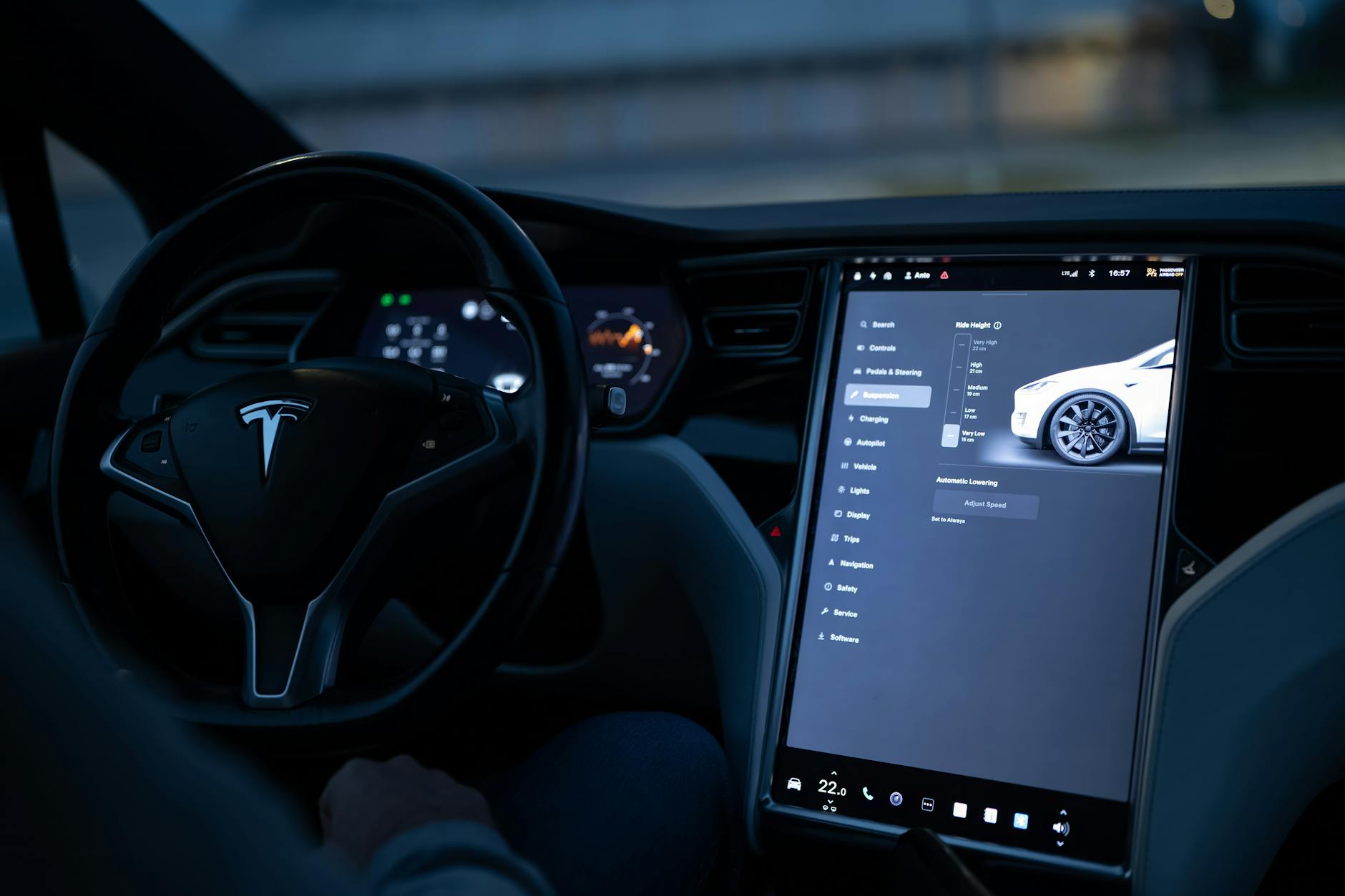
Tesla’s Full Self-Driving (FSD) system, a cornerstone of sustainable transportation, has rolled out version 14.3.6, bringing a mix of advancements and unexpected challenges for users. While FSD continues to revolutionize daily travel for many, this latest iteration shows some regressions in performance, stirring debate among drivers. However, it also hints at exciting new capabilities, like learning individual driver preferences, pushing the boundaries of what electric vehicles can achieve in autonomous mobility. These ongoing developments are crucial for making greener transport solutions more efficient and appealing.
Tesla's Full Self-Driving technology has become an integral part of daily life for many, fundamentally changing how they navigate roads. The latest software release, FSD version 14.3.6, has delivered a varied experience, sparking discussion among the driver community. While some users report a seamless experience, others have noticed a decline in certain behaviors compared to earlier versions.
A key concern raised by drivers involves the system's turning accuracy. In some instances, FSD 14.3.6 has shown indecisiveness when turning into multi-lane roads, leading to the steering wheel jerking noticeably. This behavior, reminiscent of older FSD versions, can be unsettling. Another significant point of contention is the system's tendency to disregard manual turn signal inputs from the driver, which can hinder the driver's ability to "supervise" the system effectively and guide it into preferred lanes. Such moments can prompt drivers to disengage FSD and take manual control.
On a positive note, a long-standing complaint dubbed "bird braking"—where the car would brake abruptly for small, flying objects—appears to have been resolved in this new update. This improvement enhances comfort and safety for passengers. Perhaps the most intriguing development is the observed ability of FSD 14.3.6 to potentially learn and adapt to individual driver preferences for navigation and even parking, such as consistently choosing a less congested entrance or a specific parking spot. This feature, expected in a future "Summer Update" [https://www.teslarati.com/tesla-reveals-2026-summer-update-crazy-fixes-nav-more/], might already be quietly integrated, signaling a significant leap toward more personalized and intuitive autonomous driving [https://www.teslarati.com/elon-musk-says-tesla-start-learn-your-individual-preferences/]. As these systems improve, they contribute to more efficient driving patterns, a subtle but important step in reducing energy consumption and moving towards sustainable urban mobility.