Tesla FSD Update Makes Cars 'More Alive'!
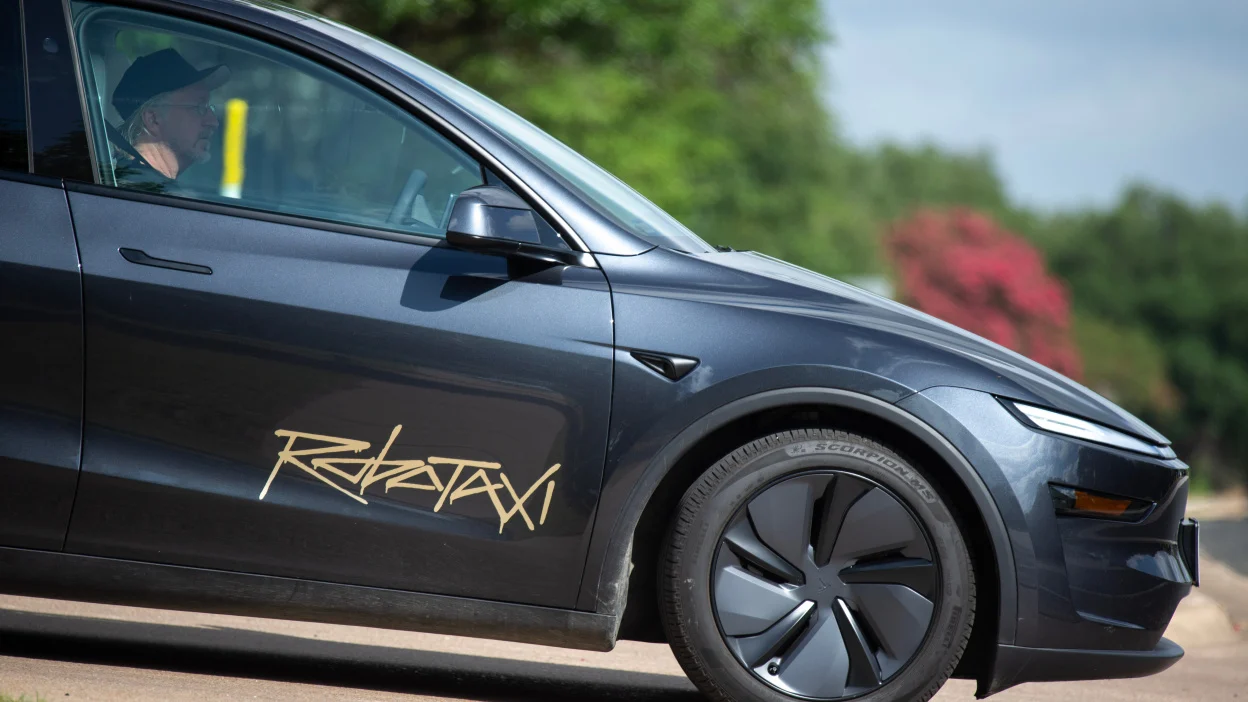
Tesla's Full Self-Driving (Supervised) software, FSD V14.2.1, is receiving rave reviews from users for its smoother performance and improved decision-making. Drivers are reporting significant advancements in responsiveness, sign recognition, and overall fluidity, with some even describing the system as feeling "more alive." This latest update shows promising progress in handling diverse scenarios, from snowy roads to complex freeway merges. It's a crucial step towards making autonomous driving a more reliable and seamless experience for everyone.
Tesla's Full Self-Driving (Supervised) software is making impressive strides, with the recent V14.2.1 update earning significant praise from drivers. Users are highlighting smoother performance and smarter choices, making the system feel more natural and responsive on the road. Many believe this version is a huge leap forward, providing a more intuitive driving experience.
One user, known as @LactoseLunatic, described the update as "incredibly assertive but still safe." Another driver, Devin Olsenn, reported logging hundreds of kilometers without needing to take over, noting his wife now prefers to use FSD because of its smooth and refined operation. This shows a growing trust and comfort with the system's capabilities.
The update has particularly impressed in challenging conditions. Even on unplowed, snowy roads, FSD V14.2.1 performed remarkably well, showing extra caution as noted by Tesla watcher Sawyer Merritt. Sign recognition has also seen improvements; long-time tester Chuck Cook observed better handling of school zones, hinting at a greater awareness of dynamic road rules.
Furthermore, the system demonstrated its capability in high-stress situations. In one instance, FSD V14.2.1 expertly managed a multi-lane freeway closure due to an accident, merging traffic seamlessly into a single lane, as shared by @BLKMDL3. These real-world tests underscore why advancements in self-driving technology matter so much – they promise safer, more relaxed journeys and could fundamentally change how we interact with our vehicles, bringing us closer to a future where cars assist us reliably in complex scenarios.