Tesla FSD v14.3.6: What Went Wrong in the Latest Update?

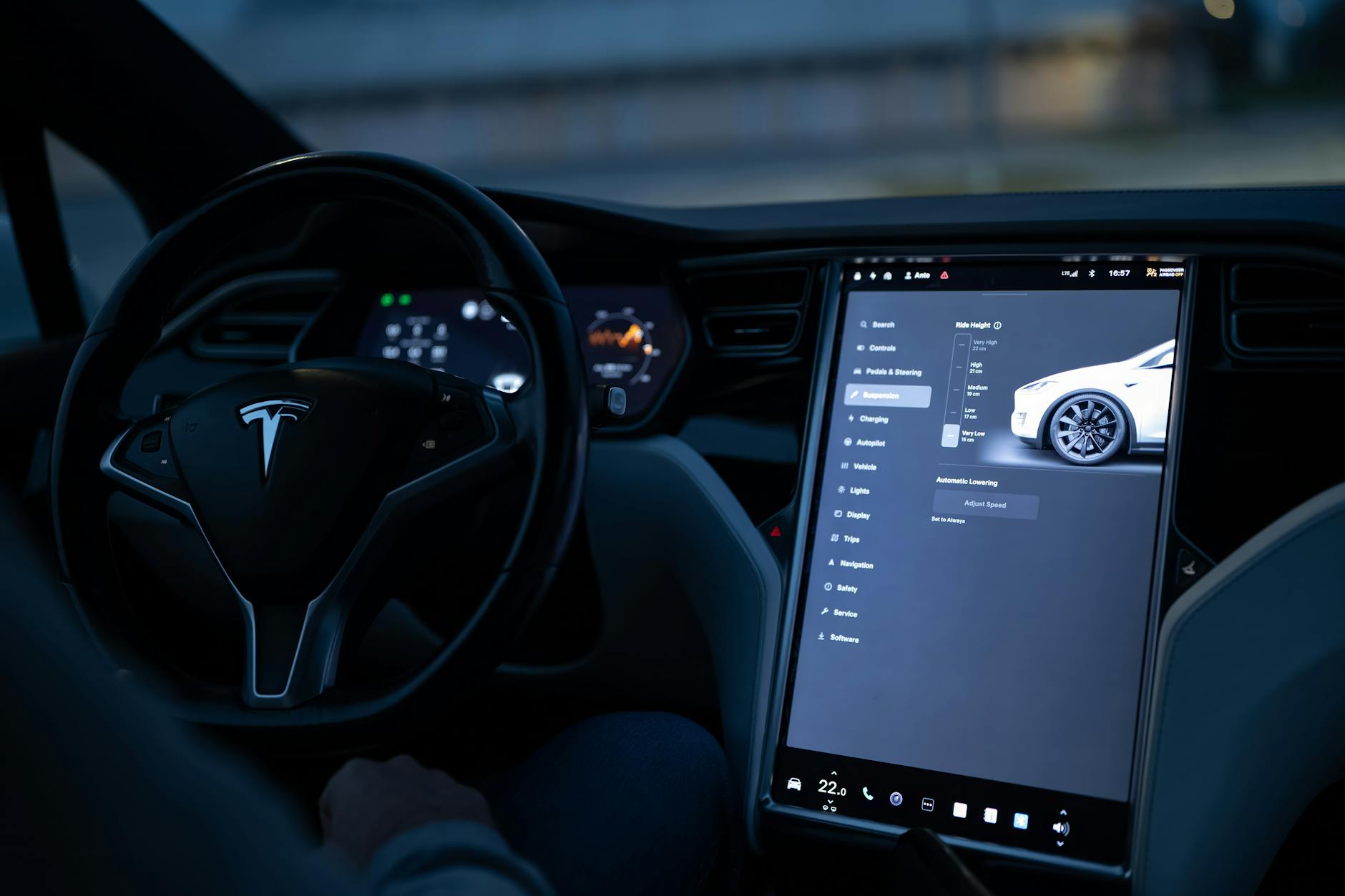
Tesla has rolled out Full Self-Driving (FSD) version 14.3.6, and early reviews suggest a surprising regression in some key behaviors, despite FSD’s revolutionary impact on daily travel. While the technology continues to push the boundaries of automotive innovation, this update presents a mixed bag for users. Concerns have emerged regarding indecisive turning and the system overriding driver inputs. Yet, bright spots like the elimination of 'bird braking' and promising signs of FSD learning individual driver preferences underscore the continuous evolution of electric vehicles and their journey toward smarter, more sustainable transport.
Tesla's Full Self-Driving system has undoubtedly transformed how many people navigate, making daily commutes and long trips smoother and more efficient. This advanced technology in electric vehicles like Teslas represents a significant stride toward a cleaner, more connected transportation future. However, the latest v14.3.6 update has brought some unexpected challenges, particularly on local roads.
One noticeable issue is increased hesitancy and inaccuracy when turning onto multi-lane roads. Drivers have observed the car driving over dashed lines and the steering wheel jerking indecisively before settling into a lane. This behavior is reminiscent of older versions of FSD and feels like a step backward in the system's otherwise impressive progress.
Perhaps the most significant concern for users is FSD’s tendency to disregard manual turn signals. If a driver inputs a turn signal to guide the car into a different lane, the system sometimes cancels it, insisting on its own chosen path, even if that path leads to an inconvenient or less safe situation. This clashes with the idea of 'supervised' self-driving and highlights a potential disconnect between AI decision-making and human preference, stressing the importance of systems that enhance, rather than override, driver judgment for safer roads.
On a positive note, a long-standing complaint known as 'bird braking'—where the car would abruptly brake for minor, non-threatening objects like birds—appears to be a thing of the past in this release. This improvement makes for a smoother and more comfortable ride.
Even more exciting is the possibility that FSD v14.3.6 is already learning individual driver preferences. Some users report the system choosing preferred entrances to stores or consistently parking in specific spots that align with their habits, a feature anticipated in a future 'Summer Update'. This suggests FSD is becoming more intuitive and personalized, which is crucial as we move towards smarter, more user-centric electric mobility solutions.
While some aspects of FSD v14.3.6 present a rare regression, these systems are constantly evolving. Tesla’s commitment to refining this technology ensures that advancements in electric vehicle capabilities continue to pave the way for a more sustainable and efficient driving experience.