Tesla FSD v14.3.7: Surprising Fixes for Smoother Drives

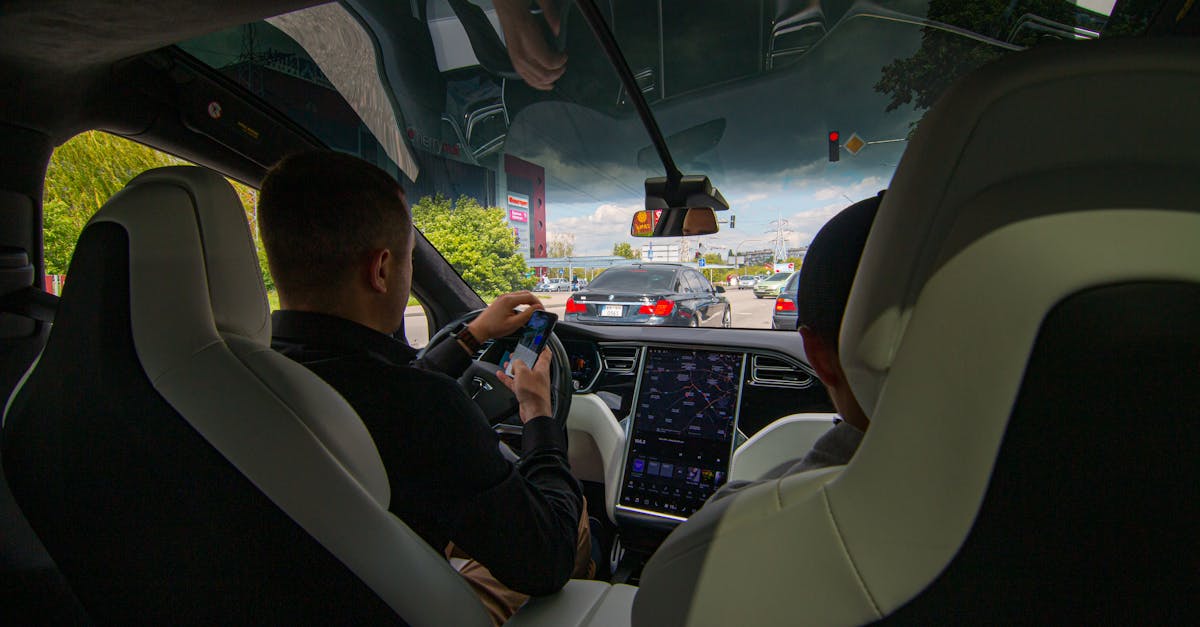
Tesla's Full Self-Driving (FSD) software has received a significant update with version 14.3.7, promising a smoother and safer experience for drivers. This latest iteration addresses previous glitches, offering a more confident ride and even proving instrumental in avoiding a potential accident. While still under supervision, the progress highlights the rapid evolution of autonomous capabilities in electric vehicles, pushing towards a future where driving is increasingly assisted. This advancement underscores the potential for cleaner, smarter transportation solutions.
The newest Tesla FSD software, version 14.3.7, brings notable improvements, making for a much smoother and more confident driving experience. Drivers are reporting a clear shift away from the hesitation, sudden braking, and jerky steering motions that sometimes plagued earlier versions. This update feels more polished, providing a relaxed journey on the road.
Remarkably, the new FSD version recently demonstrated its critical safety capabilities by actively averting an accident. When another vehicle unexpectedly swerved into its lane, the FSD system initiated an avoidance maneuver quickly and effectively, preventing a collision. This incident highlights the growing reliability and protective potential of autonomous driving technology in real-world scenarios.
Beyond safety, the update also refines the user experience. Manual turn signals are now more responsive, allowing drivers better control when overriding the system for lane changes. Parking lot performance, a previously challenging area, also continues to show strong improvement, making low-speed maneuvers much easier.
However, the journey to fully autonomous driving still has areas for growth. Drivers occasionally need to adjust speed profiles, and the system struggles with recognizing features like potholes or uneven roads, which can lead to uncomfortable bumps. Navigation can still sometimes choose less-than-ideal routes, and the auto wipers remain inconsistent in varying weather conditions.
Despite these lingering challenges, the advancements in FSD v14.3.7 mark a significant step forward. As electric vehicles become smarter and safer through such technological leaps, they further solidify their role in building a sustainable transportation future, reducing human error and boosting overall road safety.