Tesla FSD v14.3 Rolls Out: The Key Changes You Need to Know

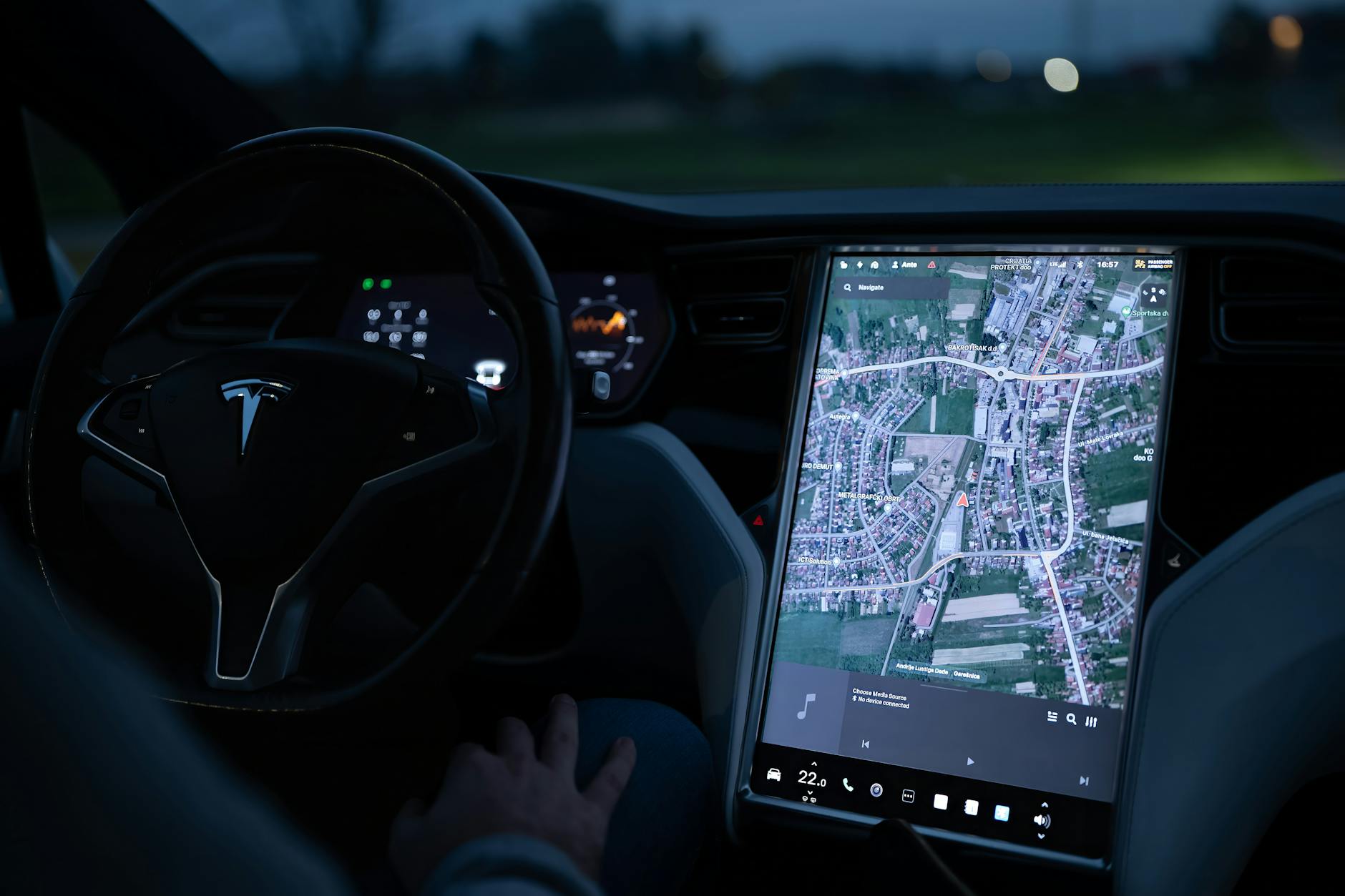
Tesla has begun rolling out its Full Self-Driving (FSD) v14.3 software to early access members, bringing significant improvements to the driving experience. This latest update addresses several frustrating behaviors from previous versions, making the journey smoother and more reliable. While substantial progress is noted in areas like yellow light handling and parking, the system's navigation and routing capabilities still present challenges. These advancements highlight the continuous evolution of electric vehicle technology, pushing toward a future where sustainable transport is not just cleaner, but also remarkably convenient and safe.
The new FSD v14.3 software marks a noticeable step forward, particularly in how Tesla vehicles handle common road scenarios. Drivers report a significant improvement in behavior at yellow lights, with the system now proceeding safely and without hesitation when appropriate, reducing the risk of sudden braking and potential rear-end collisions. Parking performance has also seen a 'flawless' upgrade, with the car maneuvering into spots more efficiently and confidently than before.
Highway driving is smoother, too. The updated system no longer 'camps' in the left lane unnecessarily and shows smarter behavior when approaching exits, choosing to reduce speed and merge gracefully rather than attempting last-minute passes. Perhaps one of the most welcome changes is the improved stop sign behavior; the car now makes a single, assertive stop, eliminating the frustrating double-stop that characterized earlier versions and contributing to a more natural flow of traffic.
Despite these strides, the journey to fully autonomous driving still faces hurdles. Reviewers note that navigation and routing remain a 'major problem,' with the system sometimes struggling to follow the most logical path or conflicting with its own instructions. This shows that while electric vehicles are rapidly advancing in their capabilities, constant refinement is crucial to realizing the full potential of safe, sustainable transportation for everyone. Continuous software updates like these are vital, not just for convenience, but for building confidence in the electric future.