Tesla Model Y Goes Further. What Changed, But Not Price?

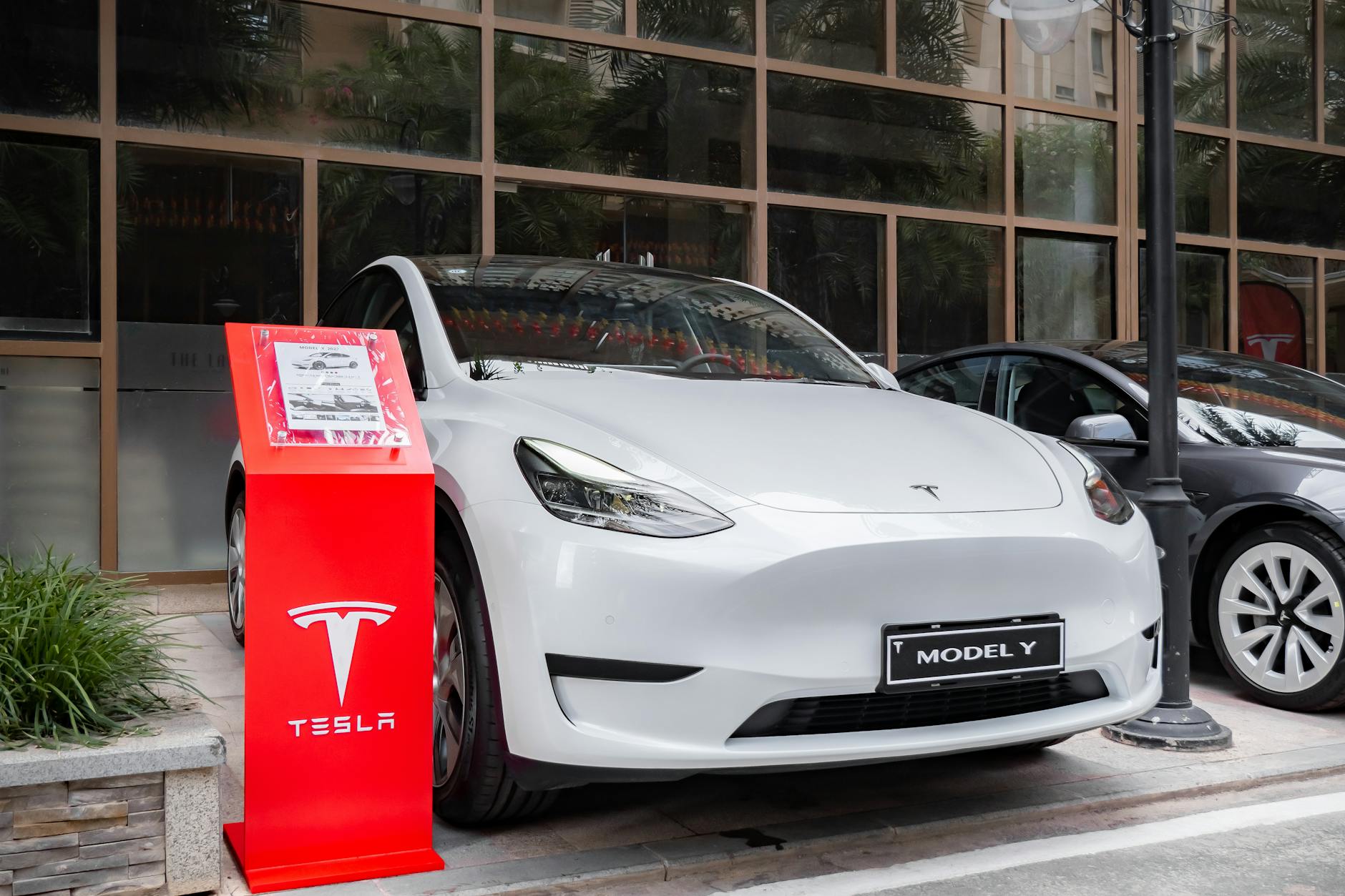
Tesla has quietly upgraded the range of its most affordable Model Y, offering significantly more miles on a single charge without increasing the price. The Rear-Wheel Drive variant now boasts up to 348 miles, a substantial improvement for daily commuters and long-distance travelers. This strategic enhancement makes electric vehicles even more practical and appealing, supporting the urgent global transition to sustainable transportation and highlighting the ongoing progress in clean energy solutions.
Tesla has given its entry-level Model Y a notable boost in driving range, making it an even more attractive option for those looking to switch to electric vehicles. The 2027 Model Y Rear-Wheel Drive can now travel up to 348 miles with standard 18-inch wheels, up from 321 miles. For drivers opting for the 19-inch wheels, the range sees an even bigger jump to 335 miles. What makes this update particularly exciting is that this significant increase comes with no change to its $41,630 price tag.
While Tesla hasn't explained how it achieved this improved efficiency, the outcome is clear: more convenience and less range anxiety for drivers. The official range change is not yet reflected on the EPA’s website, but is expected to be updated soon. Such advancements are vital for making electric cars a more viable and compelling choice for everyone, accelerating our move away from fossil fuels and reducing carbon emissions. This extended range positions the base Model Y just slightly below the more expensive Premium trim, offering incredible value for eco-conscious consumers.
This range upgrade is part of a broader shake-up at Tesla, as the company adjusts its vehicle lineup. Recently, the all-wheel-drive Model Y was discontinued, and older models like the Model S and Model X have been phased out. At the same time, Tesla is pushing forward with new initiatives, including ramping up production of its Semi electric truck and introducing cutting-edge projects like the two-seater Cybercab and the Optimus humanoid robot. These continuous innovations underscore the rapid evolution of electric vehicle technology and the growing commitment to a sustainable future.