Tesla Quietly Removes Key Model Y Option [Pricing Impact]

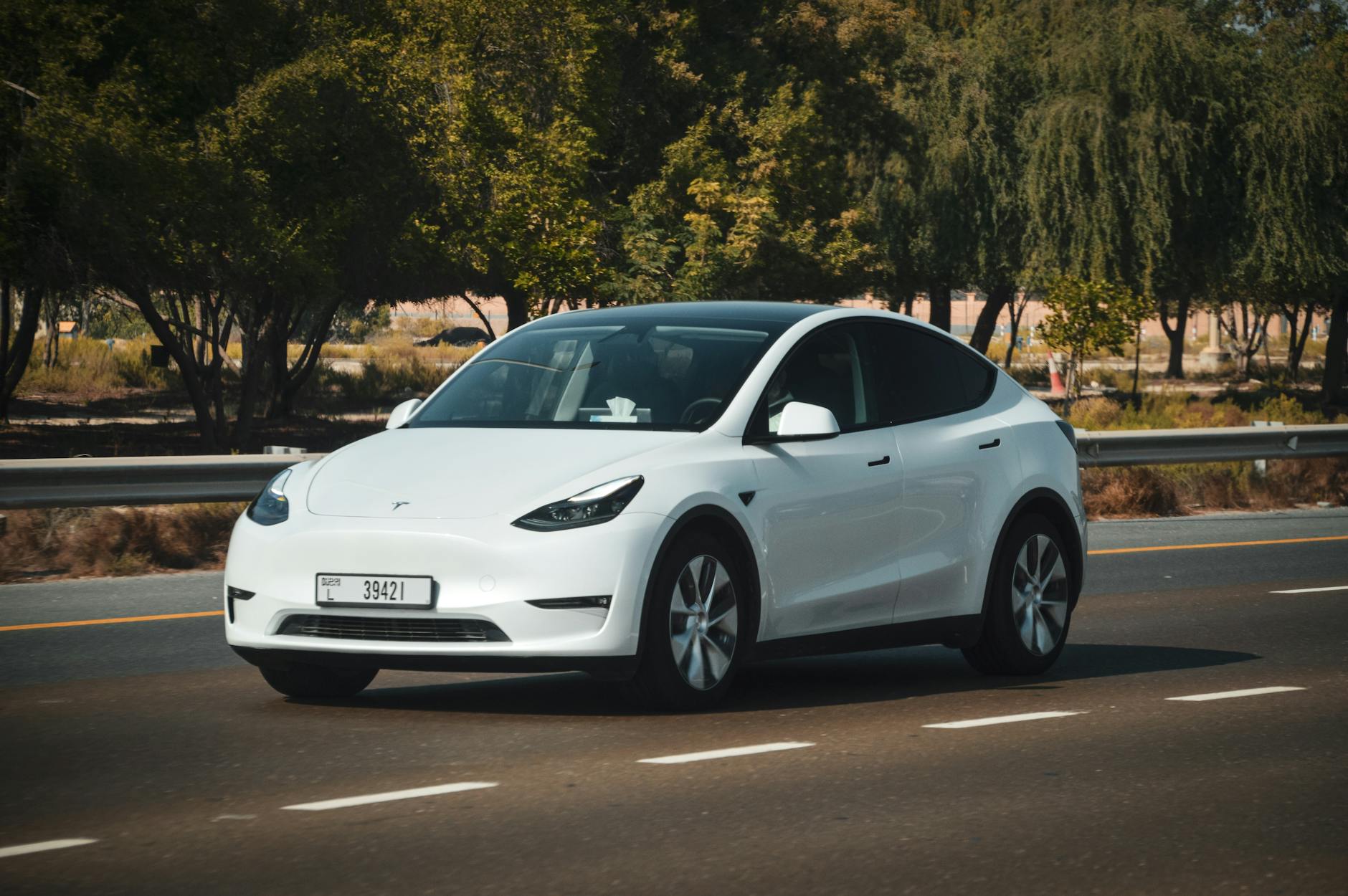
Tesla has quietly discontinued its cheapest all-wheel-drive (AWD) Model Y, making the popular electric SUV significantly more expensive for buyers seeking dual-motor capability. This move eliminates an approximately $42,000 option, with the next available AWD model now costing upwards of $51,000. While a rear-wheel-drive Model Y remains at a lower price point, the change impacts affordability and access to versatile electric vehicles, highlighting the evolving landscape of EV options for consumers. This shift raises questions about broader accessibility to robust electrification solutions.
Tesla has removed its most affordable all-wheel-drive Model Y from sale, making it significantly pricier to get a dual-motor electric SUV from the company. Previously available for around $42,000, the entry-level AWD Model Y offered a balance of performance and traction for many drivers looking to embrace electrification. Now, the next step up for an AWD Model Y costs over $51,000, pushing a popular EV option out of reach for some budgets.
The now-discontinued Model Y AWD, introduced just this past February, provided an EPA-estimated range of 294 miles and quicker acceleration compared to its single-motor counterpart. While a rear-wheel-drive Model Y remains available at a similar price point, it comes with fewer features, such as simpler lighting, different shock absorbers, and fewer audio system speakers, alongside a shorter list of comfort features. These changes mean that accessing the full benefits of electric mobility, especially with enhanced all-wheel-drive capability, now requires a larger investment.
This adjustment to the Model Y lineup is part of a larger trend at Tesla. The company has recently streamlined its offerings, having already discontinued the Model S and Model X luxury vehicles earlier this year. Looking ahead, the Cybertruck is also slated for retirement next year, with the futuristic Cybercab taxi concept set to utilize the production space instead. Such shifts underscore the dynamic nature of the EV market and how strategic decisions by major automakers can influence consumer choices and the pace of global electrification. Ensuring a wide range of accessible, high-performance electric vehicles is crucial for accelerating the transition to a sustainable future, making every pricing and model decision important for collective climate action.