Tesla Riders Now Choose: A Smarter Way to Go Green?

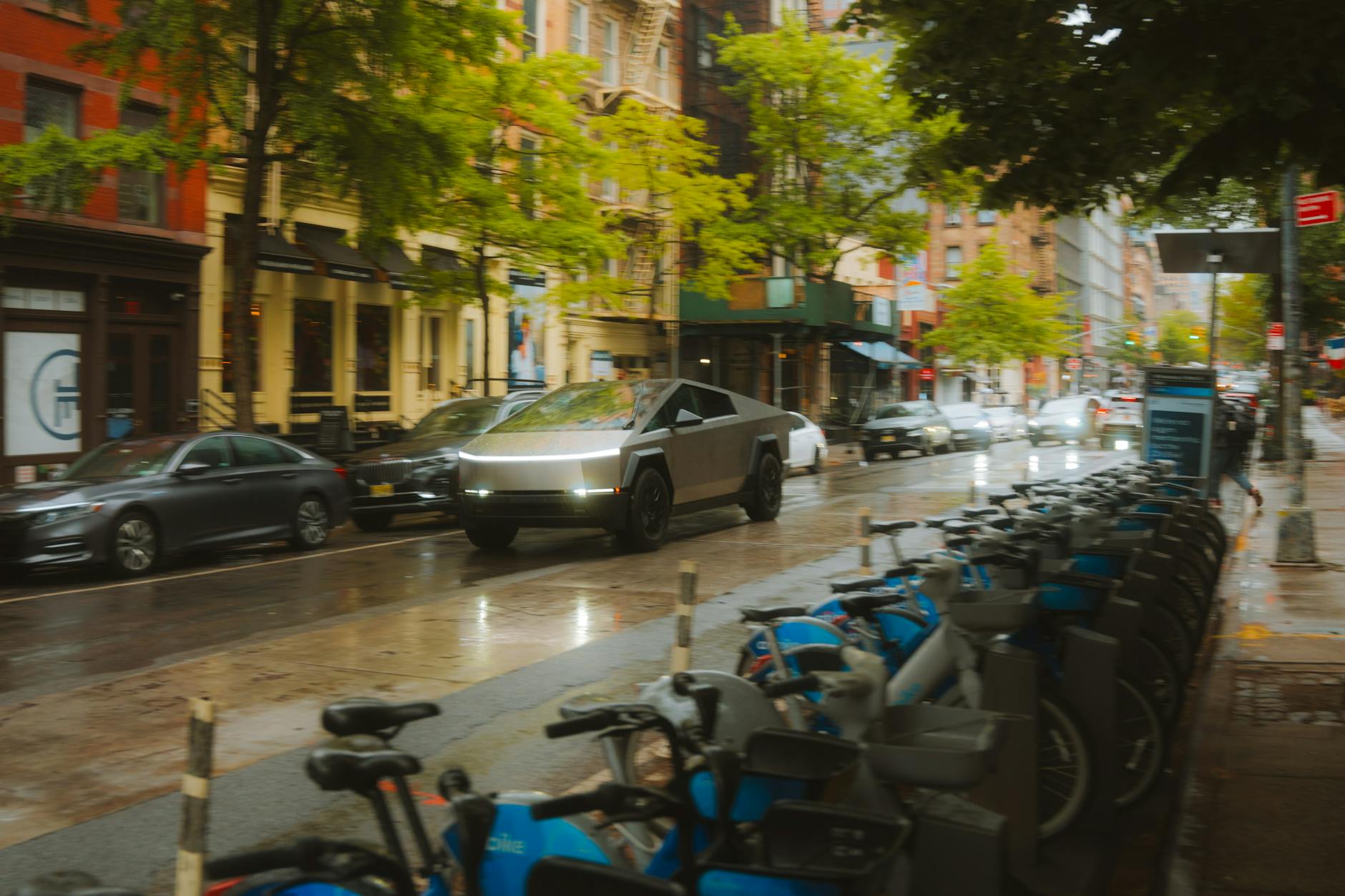
Tesla is upgrading its Robotaxi app, giving riders an exciting new choice: the compact, purpose-built two-seat Cybercab or the familiar four-seat Model Y. This shift allows passengers to pick the perfect electric vehicle for their trip, moving beyond a single-vehicle service. The introduction of the Cybercab, designed for optimal efficiency and accessibility, underscores a commitment to smarter urban mobility. This development is key for reducing energy use and promoting sustainable transportation solutions in our cities.
Imagine booking an electric ride where you can pick the perfect fit for your journey – not just for comfort, but for the planet too. Tesla's updated Robotaxi app now offers this choice, letting users decide between the innovative two-seat Cybercab and the familiar four-seat Model Y SUV. This isn't just about convenience; it’s a big step towards making urban travel more sustainable and efficient.
The new Cybercab is a game-changer. It’s a dedicated autonomous vehicle, designed from the ground up without driver controls, prioritizing safety, comfort, and remarkable accessibility features like wheelchair compatibility. For most trips involving one or two people, this compact electric vehicle is much more efficient, using less energy than a larger car. This smart design helps cut down on overall energy consumption and emissions, pushing us closer to a cleaner, greener future.
While Model Y Robotaxis have been serving cities like Austin, Dallas, Houston, and parts of Florida, offering reliable electric rides for groups, the Cybercab brings optimized efficiency to shorter, individual trips. Matching vehicle size precisely to passenger count reduces wasted energy and resources. This flexible fleet ensures every ride contributes to a more sustainable transportation network, marking a significant shift towards a versatile, mixed electric fleet that prioritizes both convenience and environmental responsibility.