Tesla Robotaxi Reaches 20 Countries: What's Driving Change?

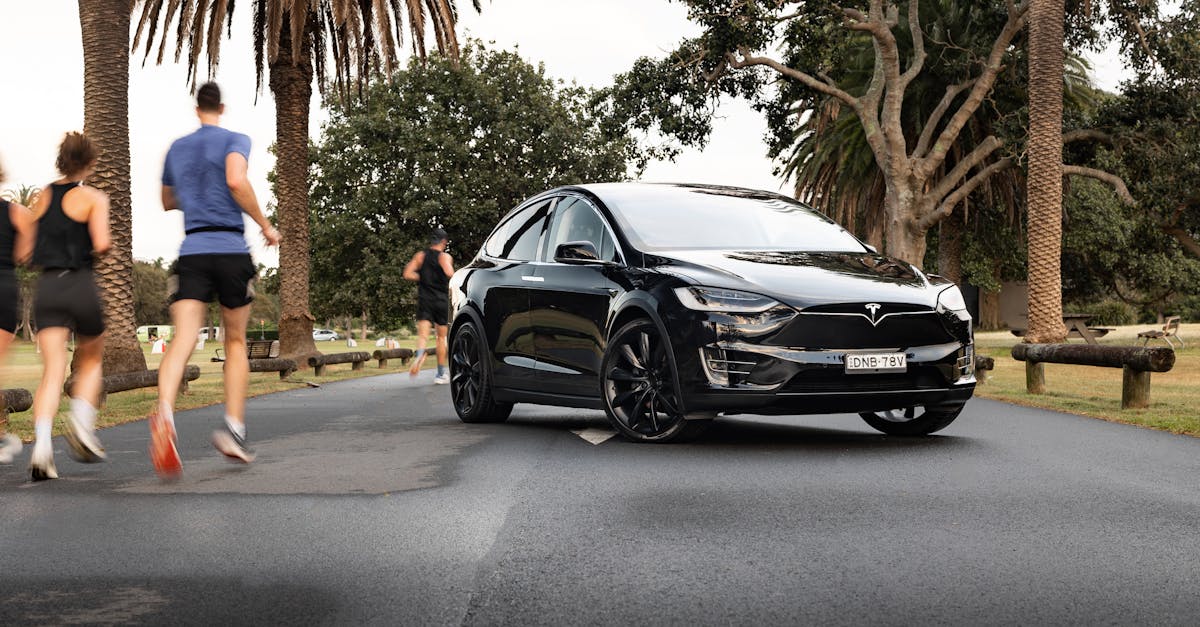
Tesla is accelerating its global push for autonomous electric vehicles, recently expanding its Robotaxi program hiring to Thailand, marking its twentieth country. These new roles, focused on data collection, are crucial for refining the company's Full Self-Driving technology. This move signals a significant step towards a future where electric, self-driving cars could transform urban mobility, reducing reliance on fossil fuels and contributing to cleaner, more efficient cities. As the world urgently seeks sustainable transport solutions, Tesla’s aggressive expansion highlights the potential of electrification to reshape our environmental landscape. The journey toward a fully autonomous, electric future is unfolding rapidly, promising major benefits for climate action.
Tesla is stepping up its efforts to bring self-driving electric vehicles to the world, having just begun hiring for its Robotaxi program in Thailand. This marks the twentieth country where Tesla is building a team for what it envisions as the future of transport. These new "Vehicle Operator" positions are key for gathering real-world data, which helps improve the safety and performance of Tesla’s autonomous driving systems. This hands-on data collection is vital for making self-driving cars smart enough for our complex roads, ensuring a smooth transition to a more sustainable way to travel.
While the full Robotaxi service is currently only active in select areas of the United States, the availability of Tesla's advanced self-driving features is already broader, reaching countries like Canada, Australia, and New Zealand. This global expansion isn't just about new technology; it’s about speeding up the shift towards electric transportation. Imagine fewer cars on the road, less traffic, and significantly cleaner air in our cities, all powered by electricity instead of harmful fossil fuels. This kind of widespread electrification is a critical step in combating global warming and protecting our planet.
Tesla's push signals an ambitious timeline for revolutionizing how we move around. The company is actively working to overcome challenges, especially in Europe, where regulatory processes have slowed the rollout of its self-driving technology. Despite these hurdles, the vision remains clear: a world where electric, autonomous vehicles offer a cleaner, more efficient, and safer alternative to traditional cars, contributing massively to our collective climate action goals.